
Blog
Can Sensory Play Replace Screen Time?

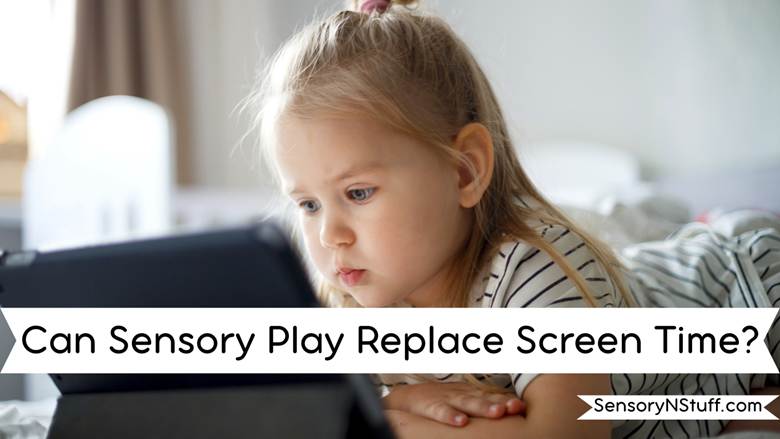
Screens are everywhere we look.
Most people have multiple televisions in their home, sometimes one for every room. Often, they’re used to keep kids busy and occupied so parents can do whatever housework needs to be done or just sneak in some alone time. The age-old question remains: Should screen time be limited for kids?
Educational apps provide learning opportunities. Video calls with family allow children to keep in touch with relatives. Too much screen time can affect focus, sleep and necessary sensory development, though. Sensory play offers engaging, screen-free activities that build important skills. Can sensory play really replace screen time, though? Let’s discuss.
Why Parents Look for Alternatives to Screen Time
Parents look for alternatives to screen time for several common reasons, including too much sitting, less imaginative play and crankiness after long screen sessions. Let’s consider the simple facts about screen time limits. As we talked about above, too much screen time can be linked to sleep problems and sometimes difficulty with attention and behavior.
The American Academy of Pediatrics recommends no screen time for children under 18-24 months (other than video chatting) and no more than 1 hour per day of quality programming for children ages 2-5. When screens are constantly being chosen over other activities, children can really lose out on other valuable physical and learning activities, such as playing outside, reading or other social interactions.
While replacing every minute of screen time isn’t realistic, replacing screen time with healthier activities is definitely doable. Here are a few healthy alternatives to screen time for kids:
- Sensory play
- Read a book together
- Go play outside
- Have a dance party in the living room
- Work on a puzzle together
- Coloring
The Benefits of Sensory Play
Why sensory play? Well, there are numerous benefits to sensory play, including developmental and emotional benefits for young children. Children grow and learn best through hands-on sensory experiences that engage their curiosity and imagination. Sensory play helps support language development, encourages scientific thinking and helps children understand cause and effect.
Here are a few more benefits of sensory play:
- Builds fine motor skills, problem-solving and language development skills.
- Hands-on activities stimulate multiple senses and support brain growth.
- Helps with self-regulation and focus, both things kids don’t get as much from screen time.
For an in-depth look at the many benefits of sensory play and sensory bins, read our post entitled, Are Sensory Bins Good for Kids?
Easy Sensory Activities to Try at Home
Kids don’t always need screens to entertain themselves. There are many games to play without electronics and screen-free activities for kids. Preschool sensory activities are the perfect way to build learning skills and keep little ones engaged without the use of screens.
Easy Sensory Activities for Preschoolers
- Set up an outdoor water play table for hot days
- Get creative with playdough
- Read a book together
- Go on a treasure or scavenger hunt
- Make DIY sensory bins with fun sensory bin fillers for kids like beans, pasta, or pom-poms with scoops and cups
- Dive into a ready-made sensory bin
- Go for a nature walk. Collect leaves and make a collage
- Try some of these different movement-based sensory play with little ones
- Obstacle courses (indoor or outdoor)
- Dancing with scarves. Twirl your scarf as you move to the music
- Playing with balloons. Keep them in the air as long as you can!
- “Texture hunts” around the house
- Blow bubbles and have kids pop and chase after them

You can rotate sensory activities so kids don’t get bored, and parents don’t feel pressured to constantly invent new ideas. For sensory bin rotation tips check out our blog post How to Rotate Sensory Bins Without Making a Huge Mess Every Time.
Blending Sensory Play Into Daily Routines
Blending sensory play into daily routines is easier than you think, and it doesn’t require a lot of prep work. Everyday moments can become opportunities for hands-on learning. Turn bathtime into a sensory activity by letting kids scoop and pour water in the tub. Encourage little cooks to help in the kitchen by letting them stir and mix the ingredients together. Let little ones explore different textures as they help you fold clothes. Create a small “screen-free corner” at home with a few rotating sensory tools.
Use sensory bins or trays during transition times, such as cooking dinner and after school. Encourage siblings to play together with multi-age sensory boxes to stretch playtime.
The great outdoors provides a sensory-rich environment for little explorers, too. Walk barefoot on the grass, play in the dirt or sandbox or run in the sprinkler. Crunch the leaves between your fingers, go on a rock hunt or plant some seeds in the garden. Weaving sensory play into daily routines helps children not only stay engaged but also builds motor skills, creativity and emotional skills without the need for extra time or screens.

Although screens have their place, sensory play is one of the best screen-free activities for children. Sensory play offers them a chance to actively explore, create and learn through real-world experiences that support learning and emotional development. Start implementing more sensory play and less screen time today by swapping even 15 minutes of screen time for hands-on play.
CHECK OUT OUR PRODUCTS FOR


