
Blog
Sensory Bins for Emotional Regulation: Helping Kids Calm Down

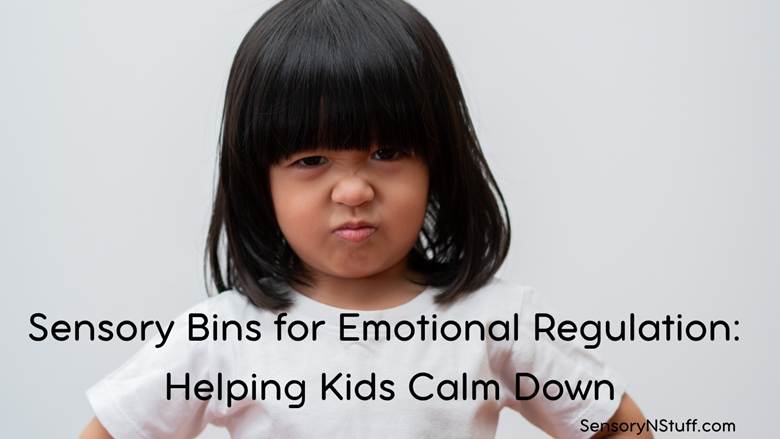
Big feelings are a normal part of childhood, but knowing what to do with those feelings takes practice. One minute your child may be laughing, and the next they may be overwhelmed, frustrated, or on the verge of a meltdown. That’s where emotional regulation comes in.
What Is Emotional Regulation?
Emotional regulation is the ability to understand, manage, and respond to feelings in a healthy way. It matters for kids because it helps them build positive friendships, make good decisions, and helps them to succeed in both school and daily life. Kids who can focus better and manage their feelings can communicate and handle tough situations with confidence.
How Sensory Play Supports Emotional Regulation
Learning how to calm down when you’re upset, express appropriate emotions, and recover from disappointment or rejection are all critical skills for children to learn. These skills are known as emotional regulation skills.
Sensory input plays a big role in helping young children process feelings and learn to self-soothe. Engaging in several different sensory experiences, such as sifting through rice with their fingers, playing in the water, or simply moving their bodies, can activate parts of the brain that help calm the nervous system.
Sensory play, such as playing with sensory bins, provides children with a way to release tension and stress and regain focus. Emotional regulation skills can be developed over time with consistent use of sensory-based emotional regulation activities that teach kids to recognize their feelings and emotions in an effective way.
Sensory Bin Ideas for Emotional Regulation
Sensory bins can be a wonderful tool in supporting emotional regulation by promoting hands-on, calming play for children. By choosing soothing textures, tools and activities that promote slow, mindful movement, parents and educators can encourage sensory experiences that help relax, focus, and manage healthy emotions.
Some emotional regulation activities for kids that are great for calming play include:
- Water beads and scoops for slow, soothing play.
- Kinetic sand and molds for grounding.
- Smooth stones and sorting cups for focus.
- Dried rice and small tools for multi-sensory calming.
Through hands-on, mindful play like scooping, pouring and sifting, children can learn powerful emotional regulation skills. This fosters self-control, teaches them to slow down, and remain in the present, while supporting emotional growth and inner balance.
Sensory Bins as a Calm Box Alternative
A calm down box (also known as a calm down box) is a toolbox designed to help kids manage their emotions and return to a calmer or relaxed state. The idea surrounding a calm down box is that it gives children a safe and supportive environment to practice self-regulation skills when they are feeling frustrated, anxious, or overwhelmed. Using these emotional regulation activities laid out in the calm box gives kids hands-on strategies to self-soothe and regain their emotional control when feeling overwhelmed.
Sensory bins can serve a similar purpose by providing hands-on, soothing sensory play. A calm box for classroom settings can include many of the same tools you would find in a sensory bin, giving kids a familiar way to manage their emotions in the classroom.
Some calm down box items you would also find in a sensory bin include such things as fidget toys, kinetic sand, stress balls, and small scoops, cups, and tongs to help kids focus and relax. These shared materials foster strong emotional regulation skills.
Building a Sensory Bin for Calming Play
Putting together a sensory bin for calming play is relatively easy. Core components to include in your bin include:
- Sensory bin.
- Fillers such as dried rice, dried beans, kinetic sand, or water.
- Themed calm down box items and tools.
Calming boxes typically include comforting, sensory, or engaging items such as:
- Stress balls and fidget toys
- Soft fabrics
- Calming visuals
- Simple activities like coloring or puzzles.
Focus on textures, colors, and tools that encourage a calm and relaxing state. Items such as soft fillers and smooth objects are a great idea. Encourage children to slow down by using intentional, gentle movements such as slow pouring and transferring of materials.
When building a sensory bin for calming play, focus on activities that promote mindfulness and support emotional regulation skills. Opt for soothing fillers such as kinetic sand, dried rice, or water beads and scoops, cups, or small objects for gentle pouring and transferring. These types of emotional regulation activities help kids concentrate on the present moment and slow their pace. This engages their senses in a peaceful, intentional way and helps them self-soothe naturally.

Classroom Applications for Sensory Bins and Calm Down Boxes
Sensory bins or calm down boxes for classroom settings can be a helpful tool for students to manage emotions and regain focus during the school day. Teachers can use a calm box or sensory bins filled with calming materials as part of daily emotional regulation activities. These hands-on tools give students a healthy outlet to reduce stress when feeling overwhelmed.
The benefits for groups are also important. When students have access to calming sensory bins, the overall classroom tension tends to decrease, and teamwork and cooperation can also improve. Having structured sensory play that is consistent for regulating emotions supports an overall positive learning environment where children feel safe to manage and express healthy emotions.
Some practical ideas for keeping bins accessible but structured include:
- Keeping sensory bins or calm down box items accessible by designating a calm-down corner or quiet zone. Read our post on how to create a calming corner in the home or in the classroom.
- Implementing simple systems like visual timers or rotation schedules to keep the process organized and structured.
- Rotating bin themes or textures for variety and to keep things interesting.
Read our recent blog How Teachers Can Use Sensory Bins in the Classroom Without Chaos for more practical ideas. Still looking for more ways to make your classroom more sensory-friendly and help students manage big emotions? Fraser.org shares 5 Ways Teachers Can Make their Classroom More Sensory-Friendly on their website.

Sensory bins can be a simple but powerful tool for helping children work through big emotions. As kids scoop, pour, sort, and explore, they practice slowing down, focusing their attention, and calming their bodies. Over time, these hands-on emotional regulation activities can really help build important skills like patience, self-awareness, and healthy coping strategies.
Whether you use them at home or in the classroom, sensory bins offer a practical alternative to a traditional calm box. They give children a comforting, engaging way to self-soothe and regain a sense of balance when emotions feel overwhelming.
CHECK OUR PRODUCTS FOR A


