
Blog
Why Sensory Play Isn’t Just for Toddlers

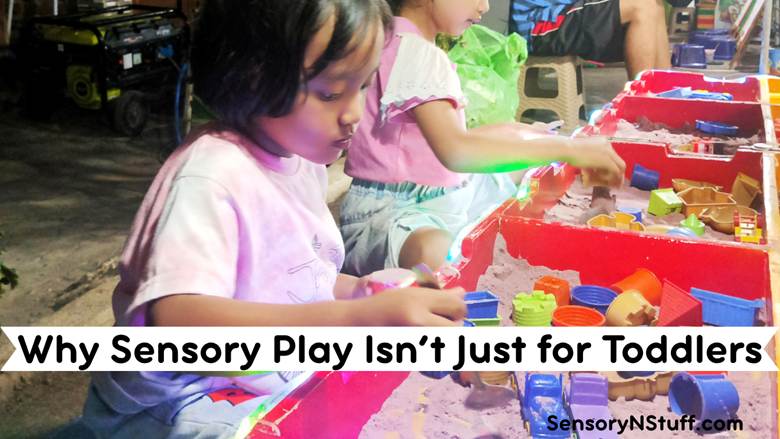
What is sensory play exactly? Sensory play can be defined as any activity that engages the 5 senses whether it be touch, smell, sight, hearing, or tasting. It encourages creativity and exploration and provides a hands-on learning experience for all ages, not just toddlers. It’s beneficial for preschoolers, older children, and even adults as it helps develop motor skills, encourages cognitive growth, and supports emotional well-being. Sensory play is important for children of all ages and even adults, as it provides many opportunities for developing skills and engaging both the hands and the mind.
Cognitive and Academic Benefits of Sensory Play
The benefits of sensory play are numerous! Some of the cognitive and academic sensory play benefits include:
- Boosts brain development
- Enhances learning
- Improves memory and critical thinking
- Supports language development
Neural connections, or the pathways that transmit information throughout our brain, are strengthened and reinforced during sensory play. Throughout the sensory experience and as children explore different textures, sights, etc., the brain actively processes and integrates these experiences. Through repetition and over time, these sensory experiences can help enhance memory, problem-solving, and further develop language skills.
Sensory play enhances learning by engaging multiple senses at a time to explore different concepts. Multi-sensory learning strengthens memory and comprehension because the brain processes information through different channels, making it easier to recall later. Sensory activities such as measuring, pouring, and comparing textures in the bin can introduce math and science concepts like volume and weight and cause and effect.
Sensory play can improve memory and critical thinking by encouraging older children to experiment, analyze, and draw conclusions through hands-on challenges. Activities such as stacking and sorting various materials by color, texture, or weight require careful planning and reasoning. These sensory experiences strengthen memory and critical thinking skills as children test different theories and draw their own conclusions.
Language development can be supported through sensory play when children describe what they see, feel, and hear during activities. When exploring different textures, scents, and sounds, they can expand their vocabulary. Talking about their sensory experiences and describing objects like “squishy,” “bumpy,” or “gritty” encourages conversation and communication skills that strengthen overall language growth.
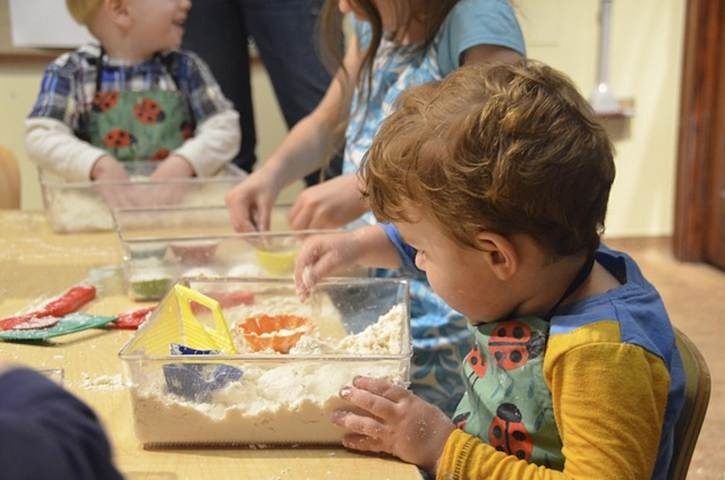
Encouraging children to describe objects such as the sand is “squishy” can help strengthen language growth.
Emotional and Social Benefits
Some emotional and social benefits of sensory play include:
- Emotional regulation
- Builds confidence
- Fosters creativity and imagination
- Encourages connection
Using sensory tools such as weighted blankets, chewable necklaces, and scented playdough can help calm children and adults. These are great ways to help regulate emotions.
Trying a new sensory experience encourages self-assurance and helps build confidence in individuals as they express and interpret the world around them.
Sensory play can be a gateway for art, storytelling, and creative problem-solving. It fosters creativity and imagination by inspiring individuals to experiment with different materials, turning them into a story or ways to solve their problems.
Playful moments during sensory play can encourage connections between parents, children, and classmates as they learn together through a shared sensory experience. These moments foster communication, cooperation, and bonding experiences.

Building connections through a shared sensory experience.
Physical and Motor Skill Development
Some sensory play benefits related to physical and motor skill development include:
- Refines fine motor skills
- Develops gross motor skills
- Improves balance and spatial awareness
Sensory play is a great way to improve fine and gross motor development. Handling small objects, tracing, and scooping during sensory play helps to refine fine motor skills. Activities such as transferring and scooping rice and drawing letters in the sand are perfect examples of ways sensory play helps develop fine motor skills.
Movement-based sensory activities encourage movement and exploration. When individuals start engaging their arm and shoulder muscles by digging and scooping in the rice and sand, they are developing gross motor skills as well. Crawling, running, and jumping activities as part of sensory play provide opportunities for individuals to move their whole bodies, improving their gross motor skills along the way. Activities that engage the whole body can also improve balance and spatial awareness.
How Sensory Play Evolves With Age
Sensory play evolves as children grow. It continuously adapts to their developmental needs and interests, but still offers tremendous value and learning opportunities.
For preschoolers (ages 3-5), sensory play often focuses on complex themes, learning-based games, sorting, matching, and early alphabet or number activities. These activities help build fine motor, coordination, and cognitive skills.
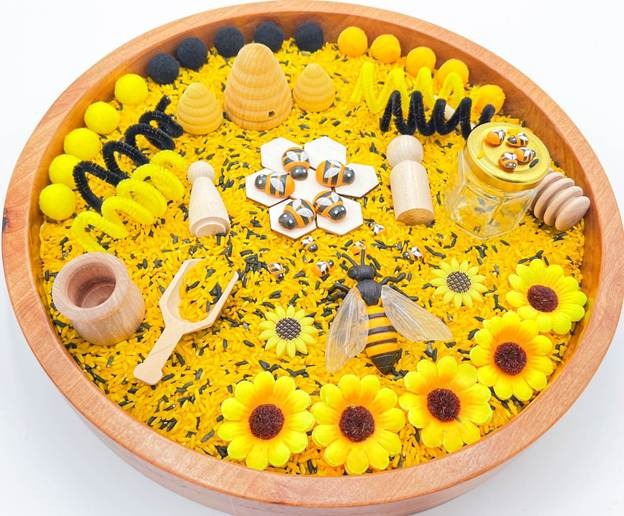
Older children can engage in more complex sensory activities that challenge problem-solving, creativity, and critical thinking, such as obstacle courses or experiments. These immersive experiences incorporate art, descriptive language, and focus-building tasks for further development.
Sensory play for adults can provide relaxation, mindfulness, stress relief, and creative exploration. It can turn a simple sensory experience into a way to recharge and enhance focus. Sensory play benefits across all ages expand from early skill-building exercises to cognitive, emotional, and social growth throughout life.
Sensory Play for Infants (0-12 months)
Sensory activities for infants 0-12 months are simple activities designed to stimulate a baby’s developing senses. What are sensory activities for infants? They include hands-on experiences that allow infants to explore different textures, sights, sounds, and smells.
Some simple sensory activities for infants might include:
- Touching soft textures like felt fabrics.
- Rattle play.
- Water play.
- Tummy time with varied textures.
- Listening to gentle music.
- Watching mobiles and high-contract images.
These early sensory experiences help support early sensory exploration, motor skill development, and encourage curiosity and focus.

To sum up, sensory play isn’t just for toddlers. Sensory play benefits are numerous and provide value to all ages, from infants to adults. Sensory activities boost cognitive, emotional, social, and physical development for everyone who engages. You can incorporate rich, sensory experiences at every stage of life that support learning, creativity, and emotional growth for all.
CHECK OUR SENSORY READY


