
Blog
Why Sensory Gifts Are a Great Choice for Your Child


Sensory gifts are more than just therapeutic tools! They’re fun, educational, and support childhood development in meaningful ways.
So, if you’re looking for presents this holiday season that offer both joy and developmental benefits, sensory gifts are a great option! This post will help parents choose the right sensory gifts for kids of all ages. Whether your little one loves to touch, sort, scoop, or explore, we have the perfect sensory gifts waiting to be discovered right here.
Why Sensory Gifts Matter for Every Child
Why are sensory toys important for children? Sensory toys support cognitive growth such as problem-solving, memory, and cause-and effect. They help develop fine and gross motor skills and aid in emotional regulation and self-soothing. They also encourage social interaction and language development.
The Science Behind Sensory Play
1. Cognitive Development – Sensory toys stimulate brain connections by engaging multiple senses at once during hands-on experiences. This strengthens neural pathways and encourages children to process information in a variety of ways, making sensory toys and cognitive development closely connected. A few examples of occupational therapy and educational toys for cognitive growth include:
- Sensory bins
- Tactile sensory balls
- Lacing toys
- Therapy putty
2. Motor Skills Development – Sensory learning toys help develop fine and gross motor skill development in children. Fine motor skills are being strengthened when kids squeeze, stack, and manipulate the educational toy. Gross motor skills are developed when children are reaching, climbing, and balancing these toys and activities. A few of our favorite sensory development toys that target these areas are:
- Playdough set kits to squish, shape, and explore — including themed deluxe playdough jars that make a wonderful gift.
- Sensory tool sets for exploring and engaging fun.
3. Emotional Regulation & Focus – Sensory items for kids such as weighted blankets or fidget items help children self-soothe. They make great calming gifts for children who tend to get overstimulated.
4. Social & Language Benefits – Shared sensory activities promote cooperation, turn taking, and conversation amongst siblings, friends, and classmates. A few examples of sensory toys for kids that encourage storytelling, singing, or role-playing include:
- Sensory bin sets that spark imagination.
- Figurines and props for storytelling.
- Kinetic sand or playdough sets that build imaginative play scenes with tactile materials.
Choosing the Right Sensory Gift by Age
All children benefit from sensory stimulation, but the right sensory items for kids depend on age and developmental stage. Choosing age-appropriate sensory items will not only keep kids engaged, but it also ensures they’re building the right skills at the right time. Supporting healthy growth in both cognitive and emotional development is vital.
Babies & Toddlers (0-2 Years)
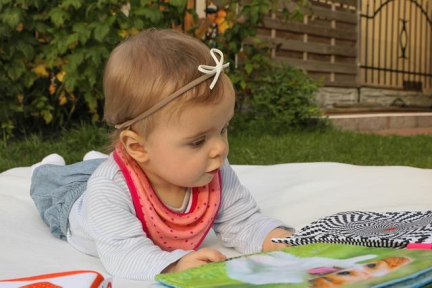
It’s important to keep sensory exploration and safety in mind when choosing the right sensory toy for babies and toddlers. Benefits of sensory play in babies include tactile stimulation, early motor skills, visual, and auditory engagement. Babies and toddlers need simple, high-contrast, and easy-to grasp toys that introduce basic textures, sounds, and movement. Some examples of stimulating toys for babies and toddlers include:
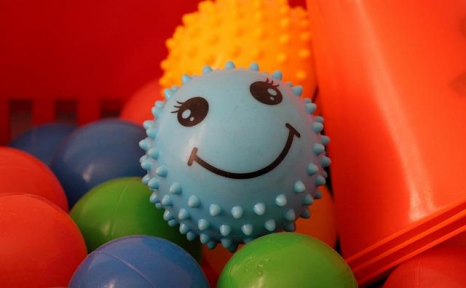
- Textured balls
- Teething toys
- Soft rattles
- Play gyms
- Large, chunky felt fabric or blanket scraps of various sizes and softness.
Preschoolers (3-5 Years)
For preschoolers, sensory toys should support both exploration and emerging independence. At this stage children are strengthening their fine motor skills, exploring creativity, and starting to practice basic problem solving and early social interactions. Focus on sensory items that are imaginative and sensory-rich. Some ideas for sensory toys for 4 year olds include: o Kinetic sand
- Finger paints
- Water tables
- Building blocks
- Playdough kits
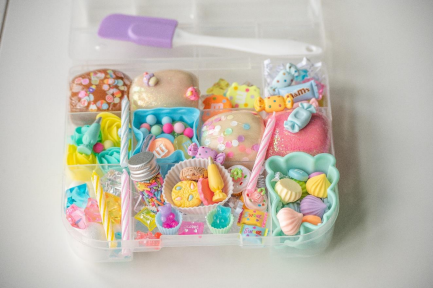
- Candy-themed sensory bin fillers (colorful, playful, and great for imaginative scooping and sorting)
School-Aged Kids (6+ Years)
Older kids can explore more complex sensory tools that encourage problem-solving, imaginative play, and hands-on creativity. Sensory toys for 6 year olds should support concentration, learning, and self-regulation. Benefits to sensory play at this age include executive function, critical thinking, and calming sensory stimulation. Sensory gifts for kids’ school-aged and above include:
- DIY slime kits
- Tropical alphabet sensory filler gift sets (combine early literacy with vibrant, hands-on exploration)
- Coding and STEM toys
- Weighted lap pads
- Complex puzzles
A Gift for Every Sense
Engaging a child’s senses through hands-on play is one of the most effective ways to support learning and development. The right sensory toys can make the experience fun and meaningful. We’ve gathered a list of the best sensory gifts for kids that tap into touch, sight, sound, and movement. Each is designed to spark curiosity and offer rich sensory stimulation.
1. Touch (Tactile Toys)
Benefits of tactile sensory toys include calming, fine motor practice, and tactile exploration. Some of our favorites include:
- Kinetic sand
- Therapy putty or playdough
- Tactile stepping stones
- Fidget toys and cubes (pop-its, stretchy strings, squishies)
- Sensory bins
- Textured sensory balls
- Bubble wrap play
2. Sight (Visual Toys)
Benefits of visual sensory toys include increased focus, visual tracking, and calming stimulation. Some of our favorites include:
- Light-up sensory toys (wands, projectors, cubes)
- Bubble tubes
- Liquid motion toys
- Rainbow stacking toys
- Kaleidoscopes
- Light tables
- Sensory bottles (glitter, beads, swirling liquid)
3. Sound (Auditory Toys)
Benefits of auditory sensory toys include auditory processing, cause-and effect understanding, and calming rhythm. Some of our favorite sensory items include:
- Rainmaker toys
- Musical instruments (drums, piano, shakers)
- Pop tubes
- Music boxes
- Echo microphones
- Sound puzzles (animal sounds, vehicle sounds, number/letter sounds)
- White noise machines
4. Movement
Benefits of movement sensory toys include increased coordination, balance, and sensory regulation. Some of our favorite sensory toys for kids that are movement based are:
- Swings
- Balance boards
- Trampolines
- Weighted animals
- Hopper/therapy balls (bouncing hopping balls)
- Ribbon wands or dance scarves
- Stepping stones
Special Considerations for Children with Autism or SPD
Sensory gifts can be especially supportive for children with Autism Spectrum Disorder (ASD) and Sensory Processing Disorder (SPD) because they offer a safe and engaging way to explore the world around them. The right sensory development toys can provide calming input, support regulation, and help kids process different sensations at their own pace. These tools also encourage hands-on learning, a way to build confidence, and make everyday experiences more manageable.
Occupational therapy toys can support specific sensory needs whether it’s tactile input, deep pressure, movement, or auditory stimulation. They help to reduce anxiety, manage sensory overload, and promote focus. Thoughtful sensory gifts can make a meaningful difference in both comfort and development, empowering children to learn, grow, and thrive.
The best toys for sensory processing disorder and autism spectrum disorder include:
- Weighted blankets
- Chewable jewelry (bracelets, necklaces)
- Noise-reducing headphones
- Therapy putty
- Squishies or stretchy balls they can squeeze, stretch, or mold.
- Sensory swings
- Fidget toys (spinners, bubble poppers, etc.)
DIY & Budget-Friendly Sensory Gift Ideas
Creating meaningful sensory experiences doesn’t have to be expensive. Parents can make DIY and budget-friendly sensory gifts right at home with simple materials. DIY sensory toys allow you to customize your materials to your child’s preferences while still offering meaningful sensory play.
Some easy, cheap sensory toys to make this season include:
- Budget sensory bags
- Calm-down jars (using water, glitter, beads, or food coloring)
- Homemade slime or Oobleck
- Texture boards
- Homemade playdough or an Earth Day playdough gift for kids — brown and green dough with nature-themed tools makes a thoughtful, seasonal present
Pairing homemade sensory items with our curated sensory bins and tools can create a full, well-rounded sensory experience — including patriotic sensory gifts for kids around holidays like the 4th of July. Blending both homemade and store-bought options gives your child a richer, more engaging sensory environment while keeping things affordable and fun. Looking for 4th of July sensory gift ideas? Red, white, and blue dyed rice fillers or a patriotic bin kit are easy crowd-pleasers.
Safety First: Choosing Safe Sensory Toys
When choosing sensory toys for kids, it’s important to keep safety in mind. Sensory play is incredibly valuable, but the materials you choose matter just as much as the experience does. Selecting safe sensory items helps ensure children can play, explore and learn without any unnecessary risks.
This simple safety checklist is handy for parents to use while shopping for sensory gifts this holiday season.
✓ Are the sensory materials age-appropriate?
✓ Are they non-toxic & BPA-free?
✓ Are materials free from any choking hazards?
✓ Are they durable?
✓ Do they have appropriate auditory levels for sound-based toys?
Keeping these guidelines in mind helps parents to feel confident in choosing the appropriate sensory tools that support healthy development while providing safe play.
The best gift we can give any child is the gift of play! Sensory gifts help support growth in numerous ways from enhancing cognitive skills and motor coordination to fostering emotional well-being, social skills, and sensory development. Whether you’re looking for DIY sensory gifts or pre-made sensory toys for kids, we hope we inspired you in your quest.
By exploring Sensory-N-Stuff’s handmade sensory gifts, parents can find engaging sensory gifts that inspire both curiosity and joy. Choosing gifts that align with your child’s own unique needs ensures that sensory play is not just fun and enjoyable, but truly meaningful as well.


