
Blog
What Exactly Are Sensory Toys?

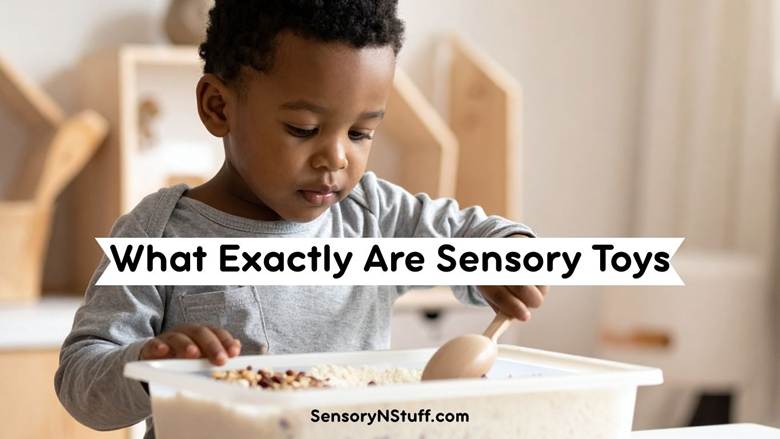
You might be familiar with sensory toys such as fidgets and squishy stress reliever balls. Sensory toys are designed to engage the child’s senses of touch, sight, sound, smell, and sometimes even movement. They encourage hands-on interaction in a fun and natural way.
Sensory play matters for kids of all ages because it supports development at every age and stage from toddlers to preschoolers, and even big kids. Sensory toys for kids provide a neat way to gain valuable developmental skills while doing what kids do best, play! In this blog post we’ll explore “what are sensory toys” exactly, why they matter, and the different types for every age and stage.
What Do Sensory Toys Actually Do?
Sensory play toys are valuable tools that serve several different purposes. Let’s explore some of them below.
- Helps regulate emotions and calms the nervous system down.
- Supports focus, learning, and cause-and-effect skills.
- Builds fine and gross motor skills.
- Encourages creativity, emotional expression and social skills.
- Provides a playful way to grow skills.
Types of Sensory Toys (By Sense)
Sensory toys can be grouped by the senses they engage (touch, sight, etc.) to help children explore the world around them. Some sensory play toys activate a single sense, while others can activate multiple senses. When you understand these categories it’s easier to choose the right sensory stimulation toys that help support your child’s developmental needs.
Touch (Tactile Sensory Toys)
- Benefits: Fine motor skill development & calms the nervous system.
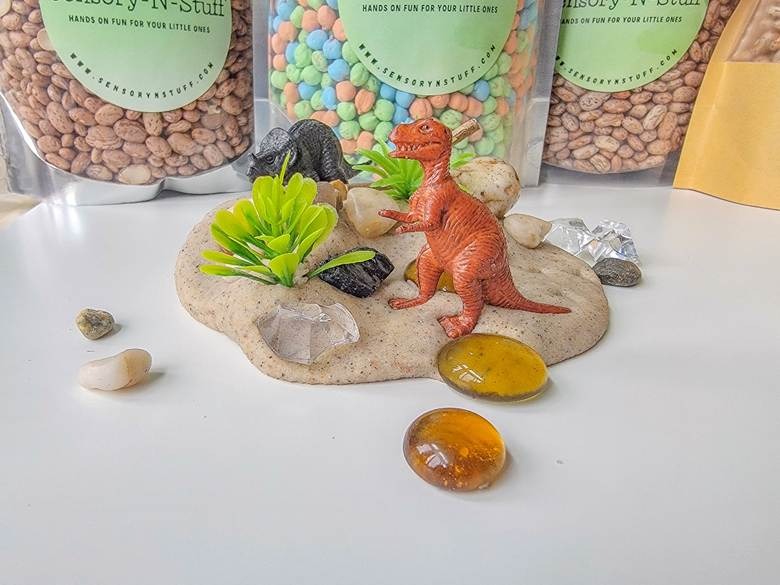
- Examples: Textured/tactile toys, sensory bins, stress balls, slime, fidgets, weighted toys and blankets, and playdough. Our playdough kits and sensory bins are great examples of tactile sensory toys.
Sight (Visual Sensory Toys)
- Benefits: Encourages curiosity, engagement, and helps develop visual tracking.
- Examples: Light-up/color-changing toys, colorful blocks, bubbles, kaleidoscopes, lava/bubble lamps, projection toys, calming jars.
Sound (Auditory Sensory Toys)
- Benefits: Supports language development, listening skills, auditory awareness, and cause-and-effect learning.
- Examples: rattles, shakers, crinkle toys, simple instruments like drums or xylophones, sound puzzles, chime or bell toys, noise-making sensory toys designed for cause-and-effect learning.
Movement & Balance (Vestibular and Proprioceptive)
- Benefits: Develops body/spatial awareness, coordination, posture, and regulation.
- Examples: Wobble cushions/seats, body socks, spinning toys, mini trampolines, balance boards, swings, hammocks, push-and-pull toys.
Oral Sensory Toys
- Benefits: Great for self-soothing, emotional regulation, focus, and oral motor development.
- Examples: Chewable necklaces and bracelets, teethers, safe chewy tools and pencil toppers, safe chewable fidgets, and other oral motor tools made for mouthing.
Smell and Taste (With Supervision)
- Benefits: Supports sensory exploration, memory, curiosity, emotional regulation, and helps develop descriptive language skills.
- Examples: Scented playdough, food-based sensory bins, scratch-and-sniff sensory toys, scented sensory bottles/jars, and other taste-safe sensory play materials with adult supervision.
Sensory Toys for Different Ages
Sensory play toys can also be grouped by various age groups. Age-appropriate sensory toys help make sure that play is fun and supportive of developmental needs. These tools support every age and stage, from early sensory exploration to more complex learning experiences.
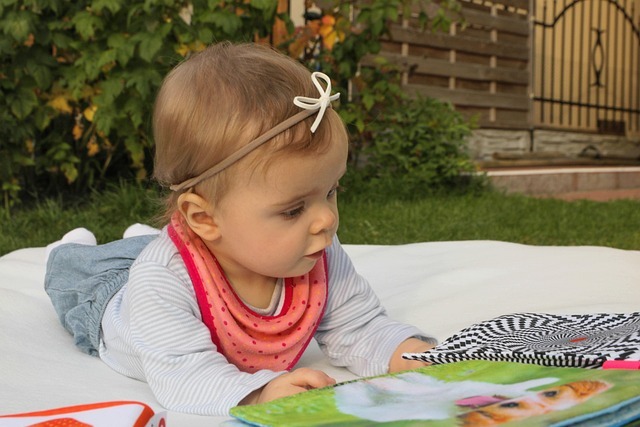
- Babies and Toddlers: Babies and toddlers benefit from simple textures and sensory bin materials, and safe mouthing toys. Sensory toys for toddlers include textured balls, books, rattles, soft blocks, stacking toys, and push-and-pull toys.
- Preschool and Early Kids: Popular sensory toys for kids in this age group include playdough kits, themed sensory bins, stress balls, and fidgets.
- Older Kids: As children grow, they can handle more complex sensory experiences. Building and engineering kits, LEGO’s, and movement-based sensory tools are all popular sensory stimulation toys with this age group.
Sensory Toys for Autism and Sensory Processing Needs
Children with autism and sensory processing needs benefit greatly from sensory toys that provide calming input, help to regulate emotions, and offer stress relief and comfort in times of need. These toys help support focus, reduce anxiety, and give kids a safe way to explore their senses at their own pace. They also provide comfort by making daily routines and learning experiences more manageable.
It’s important to remember that sensory toys for autism aren’t just for those with a diagnosis. All kids can benefit from sensory play, whether it’s improving focus, encouraging creativity, or simply wanting a hands-on play experience. These tools support developmental growth and emotional well-being for children of all ages and abilities.
ASD-friendly sensory toys include:
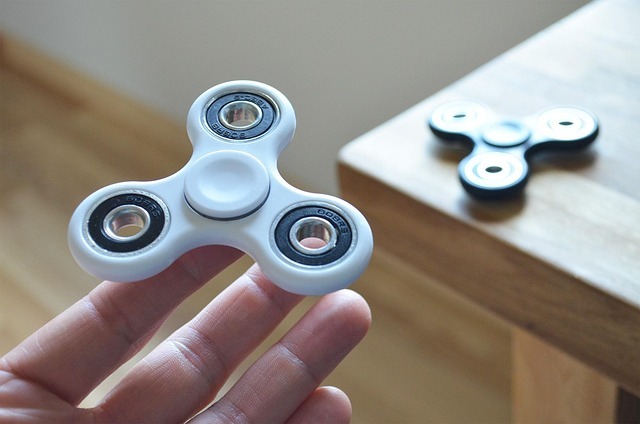
- Fidget toys
- Weighted toys, lap pads, and blankets
- Calming sensory bins
- Chewable jewelry, bracelets, etc.
- Calm-down bottles/jars
- Balance and movement toys like swings, trampolines, and wobble boards
Why Sensory Toys Are for Every Child
As we mentioned briefly above, sensory toys are for all ages and abilities, not just for therapy or special needs. They’re a valuable part of everyday play for all kids. Sensory stimulation toys are great for independent play, provide calming moments, and everyday learning. They make learning through play an enjoyable experience while also helping develop essential skills.
When incorporated into daily routines, sensory play is a natural and healthy part of childhood development. Sensory toys for kids give every child the opportunity to explore, regulate, and grow through their senses.
How to Choose the Right Sensory Toys
How do you know what sensory toys are right for your child? It’s important to follow your child’s interests and sensitivities. Observing how they react can guide you in choosing toys that captivate their interests without overwhelming them. If you’re wondering “what are sensory toys” you can think of them as tools that encourage exploration, fun, and hands-on learning.
Choose open-ended, screen-free options that can be used in multiple ways to keep play flexible and fun. Always prioritize safety and check for age-appropriateness. Ensure that small parts and materials match your child’s age, stage, and developmental needs.
Sensory Play That Grows With Your Child
Sensory play supports learning, emotional regulation, and creativity at every stage. It truly grows with your child. By making hands-on, open-ended play part of your child’s everyday routine, sensory toys for kids become simple tools for exploration, calming moments, and meaningful development.
CHECK OUR SENSORY READY


