Blog
Sensory Play Ideas for Busy Weekday Mornings

Do you ever have mornings that feel like too much?
Weekday mornings can be chaotic and challenging for most parents. The alarms are going off, it’s noisy and everyone is rushing to get out the door on time. Constant transitions can be a lot for some kids. That’s where sensory play comes in. It doesn’t have to be one more thing on your to-do list, however, just a simple way to help kids regulate and focus while you tackle breakfast and find that lost shoe.
In this post, we’ll explore some low-prep ideas and easy sensory activities that can make mornings feel calmer and less chaotic. Bonus: if you’re looking for ready-made options, Sensory-N-Stuff is your go-to for sensory tools that fit perfectly into busy lives.
What Is Sensory Overload First Thing in the Morning?
Sensory overload is very common for children first thing in the morning. Scratchy clothes, loud sounds, overpowering smells and sudden transitions can make a child’s senses run wild. Mornings hit harder than afternoons and evenings due to morning fatigue, rushed routines and unmet sensory needs. That’s why sensory play is especially helpful in the mornings. What is sensory play exactly, and how can it help improve early morning sensory overload?
Why Sensory Play Helps Kids Regulate Before the Day Starts
Simply put, sensory play is any activity that engages the senses to help the brain and body work together. Sensory play can help children regulate their bodies and emotions before the day even starts; this gives their nervous system a chance to organize and reset. It supports focus, emotional regulation and allows for smoother transitions.
This especially matters for mornings because incorporating simple sensory activities earlier in the day can reduce resistance, ease transitions like getting out of bed or leaving the house, and lead to fewer morning meltdowns.
Calming vs. Alerting Sensory Play: What Does Your Child Need Today?
Sensory play can fall into two different general categories: calming and alerting. The table below provides a simple explanation and gives examples of when each input would be most helpful.
| Type of Input | Calming | Alerting |
|---|---|---|
| Simple explanation | Helps slow the body and nervous system down. | Helps wake the brain up and increases focus and energy. |
| When it’s helpful | Helpful when your child feels overwhelmed, emotional or meltdown-prone. | Helpful when your child is feeling groggy or unfocused. |
Calming sensory play is helpful during rushed mornings or difficult transition periods. Slow, steady input can help make children feel safe and grounded. Alerting sensory play, on the other hand, provides movement and stimulating input to help the brain engage and get ready to take on the day.
Incorporating some easy sensory activities into your morning routine can help kids feel more balanced. Both types – calming and altering — can be done as indoor sensory play and doesn’t need to be complicated. The key is figuring out what your child needs today, not what worked yesterday. Use this quick parent checklist below to help decide what type of input your child needs.
Quick Parent Checklist:
- Is your child feeling overwhelmed, emotional or meltdown-prone this morning?
- Calming
- Is your child slow to get moving, groggy or unfocused?
- Alerting
5-Minute Sensory Play While Breakfast Is Cooking
Once you’ve established what type of input is needed for the day based on how your child is feeling, you’re now ready to get started. A five-minute break with some quick sensory activities is all that is needed for a quick reset. The best part is: children can independently work while you prepare breakfast.
Here are some easy sensory activities for toddlers and 5 minute crafts that can be completed while breakfast is cooking.
Calming Options
- Playdough or therapy dough
- Sensory bottles (slow movement, visually calming)
- Glue & sprinkle art: Spread glue on paper and sprinkle rice, sand or salt over it. (slow, controlled movements)
- Crayon rubbing: Place textured items such as leaves or coins under construction paper and color over them. (slow, steady motions)
- Simple sensory bin with scooping or sorting tools. Check out our selection of pre-filled sensory bins for your convenience here.
Alerting Options
- Animal walks to the kitchen gets the body up and moving.
- Bubble popping
- Sorting bright objects or magnets
- Dot marker art: Dot markers or Bingo daubers can encourage energetic movements.
- Straw blow art: Place a dab of paint on a paper plate or construction paper and blow through a straw to move it. Oral motor input is very alerting.
Sensory Activities That Make Getting Dressed Easier
Simple sensory activities, such as offering texture input or hands-on texture play before clothes go on, can help children tolerate getting dressed more easily. Let your child play with different textures (rice, playdough, etc.) for a few minutes before dressing. This helps the nervous system process tactile input before clothes go on.
Some other easy sensory activities that can make getting dressed easier are carrying laundry, pushing a basket and helping with socks and pants. Doing heavy/muscle work first helps to reduce tactile defensiveness. Deep pressure input like quick bear hugs or squeezing a pillow, and hand or arm massages with lotion can help calm the body prior to dressing. This can reduce sensitivity to seams, tags or snug fabrics and make them feel less irritating or itchy.
Easy-Cleanup Sensory Bins for Busy Mornings
Mornings always feel rushed. Sensory bins are perfect for busy mornings because they keep kids engaged without the need for constant adult oversight. When time is short, sensory bins give children a hands-on opportunity to play, while allowing adults to tackle the morning to-do list.
Indoor sensory play like sensory bins support regulation and focus during rushed mornings. That’s what makes sensory bins some of the most reliable fun sensory activities for busy mornings.
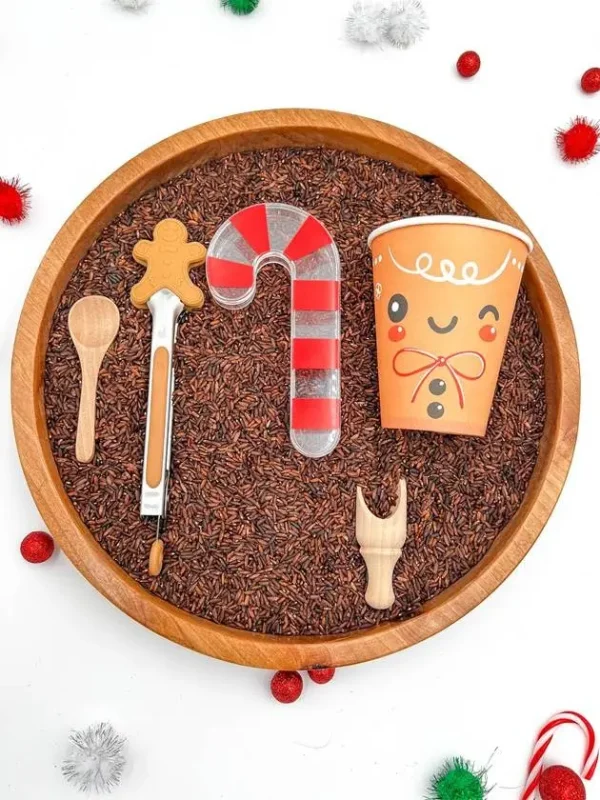
A “morning-friendly” sensory bin is a bin that is contained, predictable and reusable. Some examples of a “morning-friendly” bin include:
- Dry sensory bins containing rice, pasta, beans or chickpeas for scooping and pouring.
- Cloud dough bins for calming input that doesn’t make big messes.
- Taste-safe bins for toddlers using cereal, oats, etc. for safe exploration.
Sensory-N-Stuff makes it easy for parents who don’t have the time to prep or plan. Our sensory bins are carefully crafted with busy parents in mind and make the perfect grab-and-go solution. They are ready-made, reusable and easy to clean up and fit perfectly into busy morning routines.
Zero-Prep Sensory Play for the Busiest Mornings
Some indoor sensory play ideas require zero prep! This makes them especially helpful for even the busiest of mornings that leave zero time for setup. These quick sensory activities are great because they use what you already have lying around the house, require no planning and still give children the sensory input needed to start the day.
Some easy sensory activities to incorporate into your morning routine include:
- Wall push-ups
- Self-hugs
- Pillow squeezes
- Texture hunts using items already in the room
- Deep breathing
- Blowing bubbles
- Chewing gum
Water & Bathroom Sensory Play (When Time Allows)
When time allows, and you have a few extra minutes, water and bathroom play can be some of the most fun sensory activities. These activities work well because they’re naturally contained and are easy to rinse away.
Some easy sensory activities for toddlers include:
- Foam play in the tub using bubble bath or soap.
- Shaving cream mirror or tub art: Let kids draw letters or make shapes on the bathroom mirror or in the tub.
- Frozen toy rescue: Freeze small toys in ice cubes and let children melt or chip away at them using warm water.
Small Sensory Moments, Better Mornings
Sensory play doesn’t need to be elaborate or fancy to make an impact. Even three to five minutes of calming or alerting input can change the tone of the day. These simple sensory activities can bring calm, focus or energy right when they’re needed the most. Because every child is different, the key is to find what works for them.
CHECK OUR SENSORY FUN