
Blog
How to Make Playdough Easter Eggs

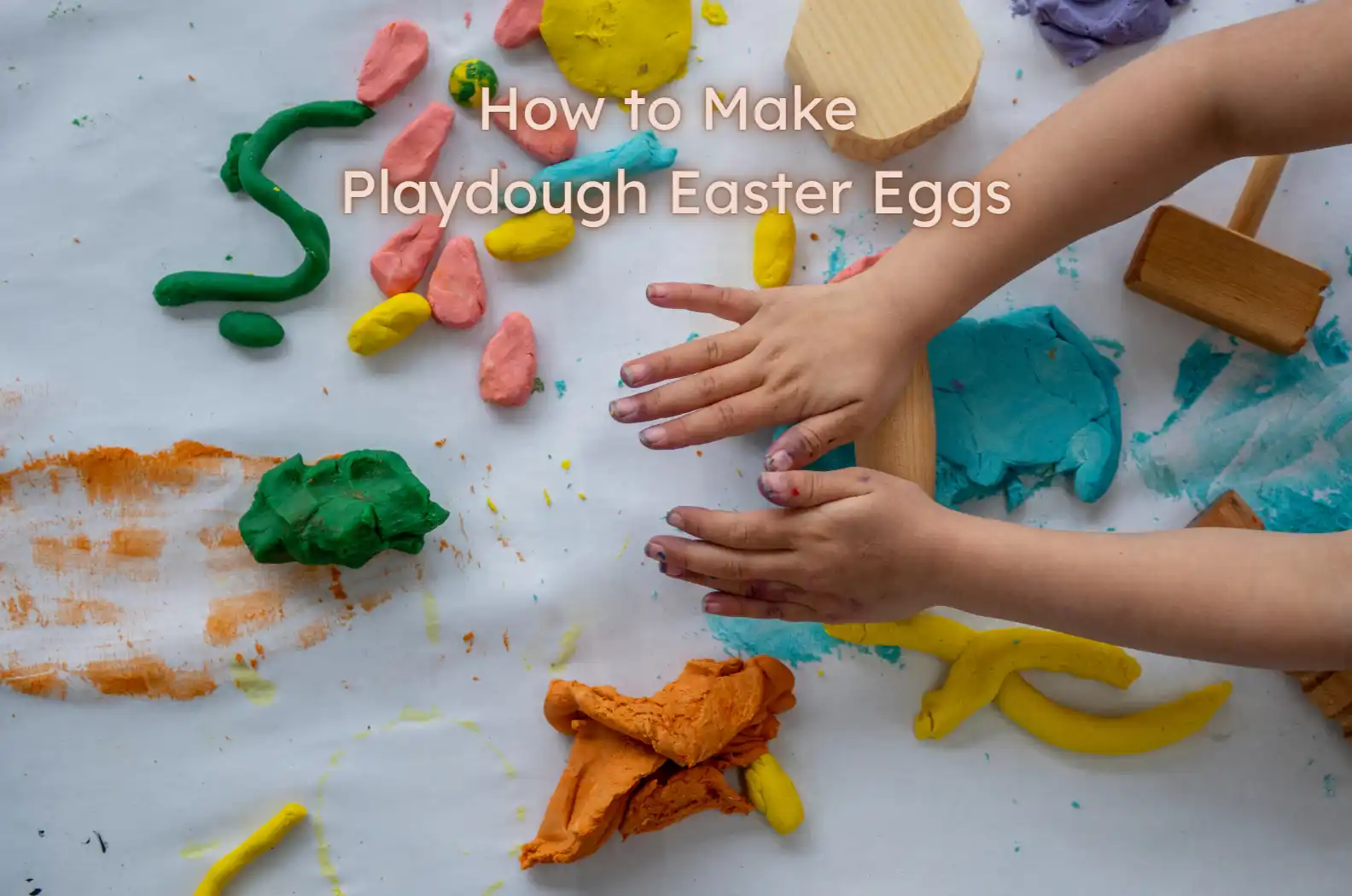
What if Easter eggs could be more than just a vessel for candy? What if cracking one open revealed a tiny world of creativity a ball of bright playdough, a mini stamp, a little cutter) everything a child needs to start making something right then and there?
That’s exactly the idea behind playdough Easter eggs. They combine the irresistible excitement of surprise eggs and toys with the developmental richness of hands-on sensory play. Kids get the thrill of the reveal AND a creative activity that keeps them engaged for far longer than a piece of chocolate ever could.
No matter if you’re filling Easter baskets, setting up a classroom party, running an egg hunt, or looking for a candy-free alternative that parents will actually appreciate, playdough Easter eggs are the answer. In this guide, we’ll walk you through exactly what they are, what you need to make them, a simple step-by-step process, and plenty of creative ideas to make every egg a tiny masterpiece.
What Are Playdough Easter Eggs?
Playdough Easter eggs are standard plastic Easter eggs filled with a small portion of playdough and one or two mini accessories, think a tiny cutter, a textured stamp, or a small figurine. When a child opens the egg, they discover a ready-to-use mini playdough kit hiding inside.
The concept is simple, but the effect on children is magical. There’s the suspense of “what’s in my egg?” followed by the immediate satisfaction of having something to do with what they find. Unlike candy (which is eaten and forgotten in seconds), playdough eggs give kids a lasting activity they can return to again and again.
Here’s what makes them so special:
- The surprise element makes every egg feel like a tiny gift box
- The playdough encourages creativity, imagination, and open-ended play
- The accessories extend the play experience and add variety
- They’re completely candy-free, a huge win for parents and allergy-conscious teachers
- They provide rich sensory input through squeezing, shaping, pressing, and rolling
Playdough eggs work beautifully for Easter baskets, classroom Easter parties, egg hunts, sensory bin activities, and as standalone busy-bag activities for toddlers and preschoolers.
Supplies You’ll Need for Playdough Easter Eggs
The beauty of playdough Easter eggs is that they require very little in the way of materials. Here’s your basic shopping list:
The Essentials
- Plastic Easter eggs: standard size or jumbo (jumbo eggs hold more and are easier for little hands to open)
- Playdough: store-bought or homemade; a golf ball-sized portion fits perfectly inside a standard egg
- Mini accessories or sensory toy: one or two small items per egg
Accessory Ideas That Fit Inside Easter Eggs
Choosing the right accessories is where the fun really begins. Here are some of the best options:
- Mini cutters in Easter shapes (egg, bunny, chick, carrot, flower)
- Small foam or rubber stamps with seasonal designs
- Texture rollers or textured lids that press patterns into dough
- Tiny figurines, bunnies, chicks, dinosaurs, or spring animals
- Small sculpting or shaping tools
- Mini fidget toys that can also be pressed into dough for texture
- Squishy animals or tiny sensory rings
Small sensory toys and playdough tools from Sensory-N-Stuff are perfectly sized for filling eggs and creating irresistible mini play kits. Many of their fidgets and textured toys double as excellent dough accessories that create satisfying impressions when pressed into soft playdough.
How to Make Playdough Easter Eggs (Step-by-Step)
Making playdough Easter eggs takes just a few minutes per egg once you have your supplies assembled. Here’s the full process:
Step 1: Portion the Playdough
Roll a ball of playdough that will fit comfortably inside one half of your plastic egg. For standard-sized eggs, think slightly smaller than a golf ball. For jumbo eggs, you can be a little more generous. If you’re making a large batch, roll all your playdough balls first and set them aside before you start filling eggs — it’s much faster to work in batches.
Step 2: Choose a Playdough Accessory
Pick one small tool, toy, or accessory to pair with each dough ball. Try to vary the accessories across your batch of eggs so that each one holds a different surprise. This makes the hunt more exciting and encourages kids to trade and compare what they found.
Step 3: Fill the Egg
Place the playdough ball into one half of the egg. Nestle the accessory alongside it or tuck it gently into the surface of the dough. Make sure the accessory won’t be crushed or distorted when the egg is closed — flat items like stamps and cutters lay nicely alongside the dough ball.
Step 4: Close and Seal the Egg
Snap the egg closed firmly. If you’re concerned about eggs popping open during a hunt, a small piece of tape or a rubber band around the middle will keep them secure. Arrange finished eggs in baskets, sensory bins, or hiding spots — and let the fun begin.
Pro tip: Color-coordinate your eggs and dough for an extra-satisfying visual reveal. Yellow egg with yellow dough and a chick toy; orange egg with orange dough and a carrot cutter. Kids love the cohesive surprise.
Surprise Eggs and Toys Kids Will Love
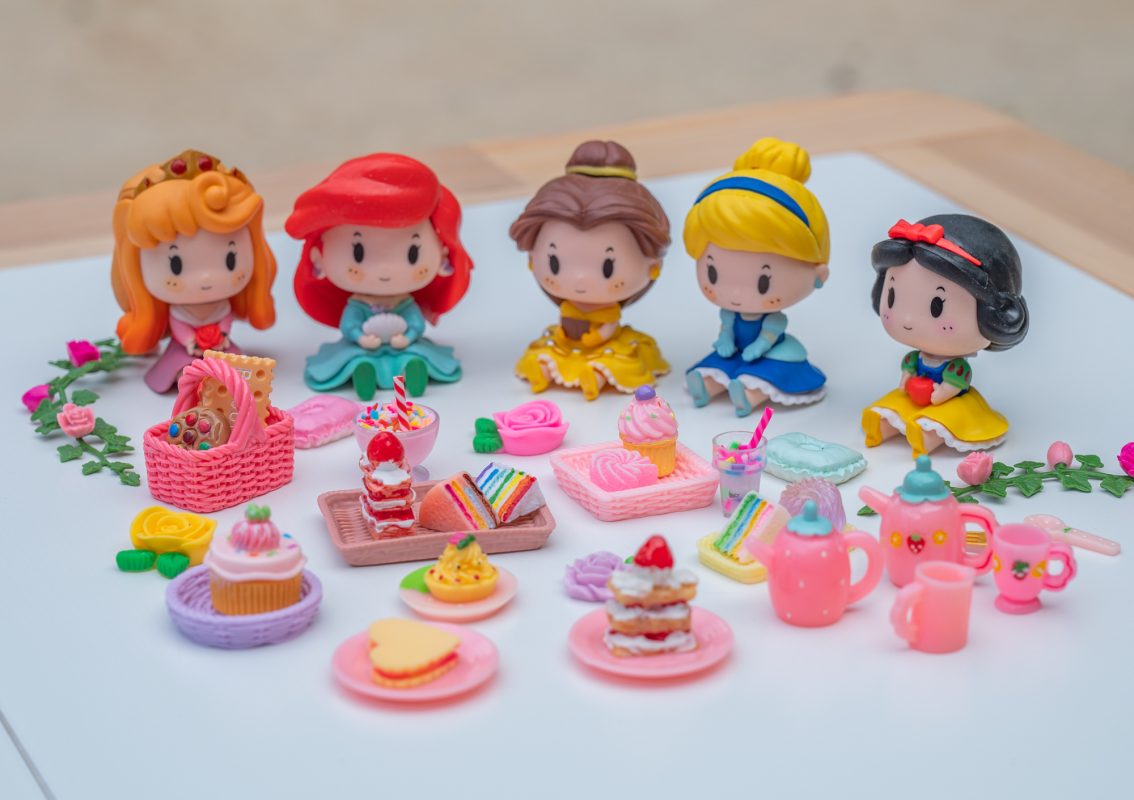
The best surprise eggs and toys are the ones that inspire play the moment they’re discovered. Here’s a closer look at the accessories and toys that work best inside playdough eggs, and why kids love them so much.
Mini Playdough Cutters
Easter-shaped cutters are a classic for good reason. Kids can press them into their dough to create egg shapes, bunnies, chicks, and flowers. Cutters are flat, easy to fit inside eggs, and immediately intuitive for even the youngest children to use.
Stamps and Texture Tools
A small foam or rubber stamp gives children the ability to decorate their dough creations with patterns and pictures. Texture rollers create satisfying repeated patterns across the surface of rolled dough. Both are deeply satisfying from a sensory perspective and encourage children to slow down and focus.
Tiny Figurines and Animals
Small rubber or plastic figurines (bunnies, chicks, spring animals, or even mini dinosaurs) add a storytelling element to playdough play. Kids use them as characters in imaginative scenes, press them into dough to create footprint textures, or simply enjoy having a tiny toy to add to their collection.
Mini Fidget Toys
Small fidget toys like squishy animals, sensory rings, or textured balls work wonderfully inside playdough eggs. Kids love the tactile variety of exploring a fidget alongside squishing and shaping their dough. These surprise toys keep children playing long after the eggs are opened, and they travel well in pockets and backpacks for sensory support throughout the day.
Creative Playdough Egg Themes
Taking a themed approach to your playdough eggs makes them feel even more special and gives children a narrative context for their play. Here are four of our favorite egg playdough themes:
Bunny Playdough Egg
- White or light grey playdough
- A small bunny figurine
- A tiny carrot-shaped cutter or accessory
Kids can build the bunny’s world, rolling a white dough body, adding ears, creating a little garden with the carrot accessories. This egg is especially popular with preschoolers who are in a heavy imaginative play phase.
Easter Decorating Egg
- Pastel playdough in any color
- A small egg-shaped cutter or stamp
- A texture roller with a pattern design
This egg is all about decoration. Kids stamp, roll, press, and arrange their dough into beautiful egg designs, the playdough version of decorating Easter eggs. It’s a wonderful activity for children who love art and patterning.
Spring Garden Egg
- Green playdough
- Small flower-shaped cutters or accessories
- Tiny bug or animal figurines (butterflies, ladybugs, bunnies)
With this theme, kids create a miniature spring garden complete with flowers, plants, and little creatures. The green dough lends itself naturally to grass and leaf shapes, and children love pressing flowers into the surface of their garden scene.
Chick Surprise Egg
- Yellow playdough
- A small chick toy or figurine
- Simple shaping tools
Bright yellow dough and a baby chick toy make this one of the most cheerful of all the egg playdough themes. Kids can build nests for their chick, roll tiny eggs, and create a whole hatching scene using their imagination and the tools provided.
Fun Ways to Use Playdough Easter Eggs
Playdough Easter eggs are incredibly versatile. Here are some of the best ways to incorporate them into your Easter celebrations and activities:
- Easter egg hunts: Hide playdough eggs around the yard or classroom for a hunt where every discovery leads directly into a creative activity. No sitting around sorting candy, kids open their eggs and start playing immediately.
- Sensory bin discovery: Bury playdough eggs inside a sensory bin filled with rice, beans, or Easter grass. Children dig through the filler to find hidden eggs, then crack them open to discover their dough and surprise toy inside. This adds an extra layer of tactile exploration to the activity.
- Classroom party favors: Playdough eggs are ideal Easter party favors for classroom celebrations. They’re mess-contained (everything stays inside the egg until opened), exciting to receive, and provide a ready-made activity for kids to enjoy after the party.
- Easter basket fillers: Nestle several themed playdough eggs into an Easter basket alongside a few larger sensory toys. They add variety, visual appeal, and a hands-on activity that children can return to throughout the Easter weekend.
- Playdough stations at Easter parties: Set up a dedicated playdough station and use open playdough eggs as the starting point, each child gets an egg, opens it at the station, and uses the contents to create something. It’s a self-contained, easy-to-manage party activity.
Why Playdough Eggs Are Great for Sensory Play
Beyond the Easter fun, there’s real developmental value packed inside each little egg. Here’s what children gain from regular playdough and sensory toy play:
- Fine motor strength: Squeezing, rolling, pinching, and pressing dough strengthens the small muscles in hands and fingers, muscles that are essential for writing, drawing, and self-care tasks.
- Creativity and imagination: Open-ended playdough play invites children to create whatever they can imagine, building creative thinking and problem-solving skills with every session.
- Calming sensory input: The repetitive, rhythmic nature of working with playdough (rolling, squishing, smoothing) is naturally regulating for the nervous system. Many children find it deeply calming, particularly those with sensory processing differences.
- Shaping and spatial reasoning: Cutting, stamping, and building with dough develops early spatial reasoning and an understanding of shapes, sizes, and structures.
- Language development: As children describe what they’re making, name their textures and colors, and engage in pretend play with their figurines, they’re building vocabulary and communication skills.
Adding playdough tools and sensory toys to each egg extends the play experience significantly. A child with a ball of dough alone will play for a few minutes. A child with dough, a cutter, a stamp, and a tiny figurine will play for twenty.
Make Easter More Creative with Playdough Eggs
Playdough Easter eggs bring together everything that makes Easter special (the anticipation, the surprise, the sense of discovery) and add a layer of creative, sensory-rich play that lasts long after the holiday is over. They’re easy to make, endlessly customizable, and genuinely loved by kids of all ages.
Whether you’re filling baskets for your own children, preparing classroom party favors, or setting up an egg hunt with a creative twist, playdough Easter eggs are one of those rare ideas that’s simpler to execute than it looks and more impressive in practice than you might expect.
Build Your Playdough Egg Kit at Sensory-N-Stuff
Parents and teachers can find small sensory toys, playdough tools, mini cutters, stamps, and creative accessories at Sensory-N-Stuff to make their playdough Easter eggs even more fun. Shop our collection of egg-sized surprises and build a batch of play kits your kids will absolutely love.
Playdough Easter eggs prove that the best Easter surprises don’t come from the candy aisle. They come from a little creativity, a handful of sensory supplies, and the simple magic of a plastic egg that holds something worth discovering.
This Easter, fill your eggs with play. Fill them with texture, creativity, and tiny tools that inspire imagination. And watch as the kids who crack them open spend the next hour, or the next week, creating, building, and playing with what they found inside.