
Blog
What Ages are Sensory Bins Good for?


Sensory bins are versatile tools filled with engaging materials that stimulate many of the senses, such as sight, touch, sound, and even scent. While many people might associate them with toddlers, sensory play isn’t just for one age group. Sensory bins can evolve from babyhood to preschool (and beyond), making them a valuable tool that grows with your child. In this post, we’ll discuss age-specific tips for adapting sensory bins to different developmental stages. Let’s dive in!
Sensory Bins for Babies (Under 1 Year)
Safe sensory play for babies includes a few key elements:
- Baby-safe bins
- Close supervision
- No choking hazards
- Using simple textures
- Edible fillers such as oats and cereal
Baby-safe bins focus on touch, sight, and sound. These bins contain simple materials such as large (soft) items, soft fabric scraps, and edible fillers. The use of simple textures such as soft fabrics, scarves, pieces of fleece, or even baby blankets allows for the sense of touch without the choking hazard. Safe, non-toxic, edible fillers and materials are a must with babies. Always closely supervise your little one as they explore sensory bins.
Sensory Bins for 1-Year-Olds
As your little one transitions from infancy to toddlerhood, they begin to engage more with the materials. They really start engaging with elements such as filling, scooping, and mouthing. Taste-safe, food-grade fillers like dried rice, pasta, and oats are critical at this age. For a more in-depth look at taste safe sensory play, visit our latest post “Why it’s Important to Have Food-Grade Sensory Bins.”
Parent-child play is important for this age group. Children learn and grow by watching their caregivers and modeling their behaviors. Parents can guide sensory play exploration by gentle direction and offering subtle cues that encourage thinking and problem solving.
Here are a few ideas for sensory bins for 1-year-olds:
| Edible Explorations | Water Play | Scoop and Dig Bin | Soft & Fluffy Bin |
| Use food-grade fillers such as rice, pasta, oatmeal, pudding, Jello, etc. | Use water, cups, and floating toys for outdoor splashing fun. | Use dried cereal or rice to scoop, grab, and dig for treasures. | Use soft and fuzzy cotton or fleece fabrics for a cozy experience. |
Sensory Play for Toddlers (Ages 2-3)
As toddlers continue to grow, they are developing fine and gross motor skills, learning imaginative play, and developing language skills. Toddlers experience rapid development in many areas, which builds a foundation for learning, communication, and social interactions. At this age, we want to encourage independent play and exploration.
Fine motor skills involving small muscle movements start to develop with activities such as grasping objects and using tools to manipulate them. Gross motor skills that involve larger muscles, including the back and shoulders, begin to develop with larger movements such as reaching, bending, jumping, and climbing.
Toddlers begin engaging in imaginative play at this age. They love making up stories and are beginning to engage in pretend play with various objects such as dolls and stuffed animals. At this stage, their vocabulary starts expanding, and they begin communicating with others and even asking questions about the world around them.
Sensory play ideas for toddlers include:
- Toddler-safe sensory bins
- Water table play
- Bubbles
- Finger painting
- Play Dough
- Kinetic sand
- Color sorting
- Sand play at the beach or in a sensory bin
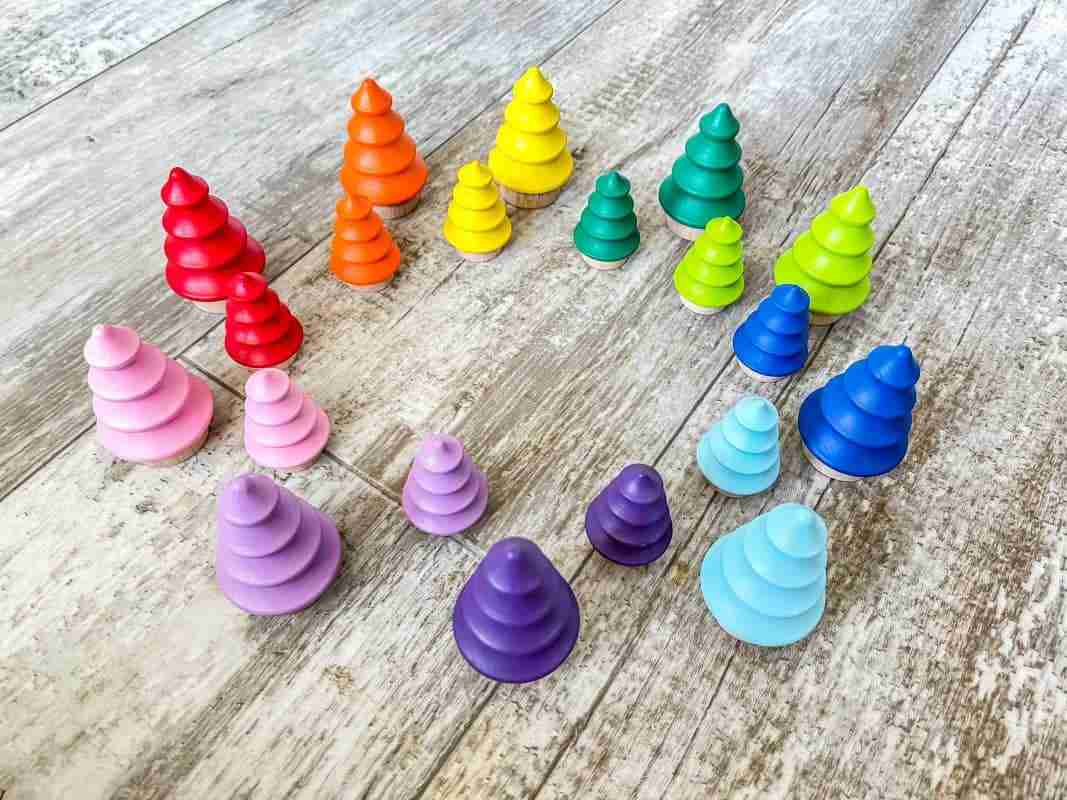
Looking for ideas near you? Google “sensory play for toddlers near me” to connect with more fun ideas.
Sensory Bins for Preschoolers (Ages 3-5)
As your child transitions from toddler to preschooler, they begin to enjoy more complex themes such as dig-and-find, matching, and sorting games, and alphabet learning. Preschoolers aged 3-5 experience growth in many different developmental areas just like toddlers. We recommend learning-based sensory play at this stage of development. It engages multiple senses and helps build cognitive, motor, and social skills in preschoolers.
Sensory play in preschoolers boosts brain development and cognitive skills. Preschoolers can learn how to solve problems, enhance their memory, and develop critical thinking skills during sensory play. It also enhances creativity through different sensory experiences, imaginative play, and cooperative learning.
Themed sensory bins are excellent for preschoolers. Sensory bins for preschool-aged children should include plenty of opportunities for hands-on exploration and support creativity and cognitive development.
Ideas for sensory bins for preschoolers include various themed bins such as:
- Beach sensory bin
- Ocean sensory bin
- Alphabet sensory bin
- Farm sensory bin
- Dinosaur sensory bin
- Outer space sensory bin
- Gardening sensory bin
- Mermaid sensory bin
- Nature exploration sensory bin
- Seasonal and holiday sensory bins
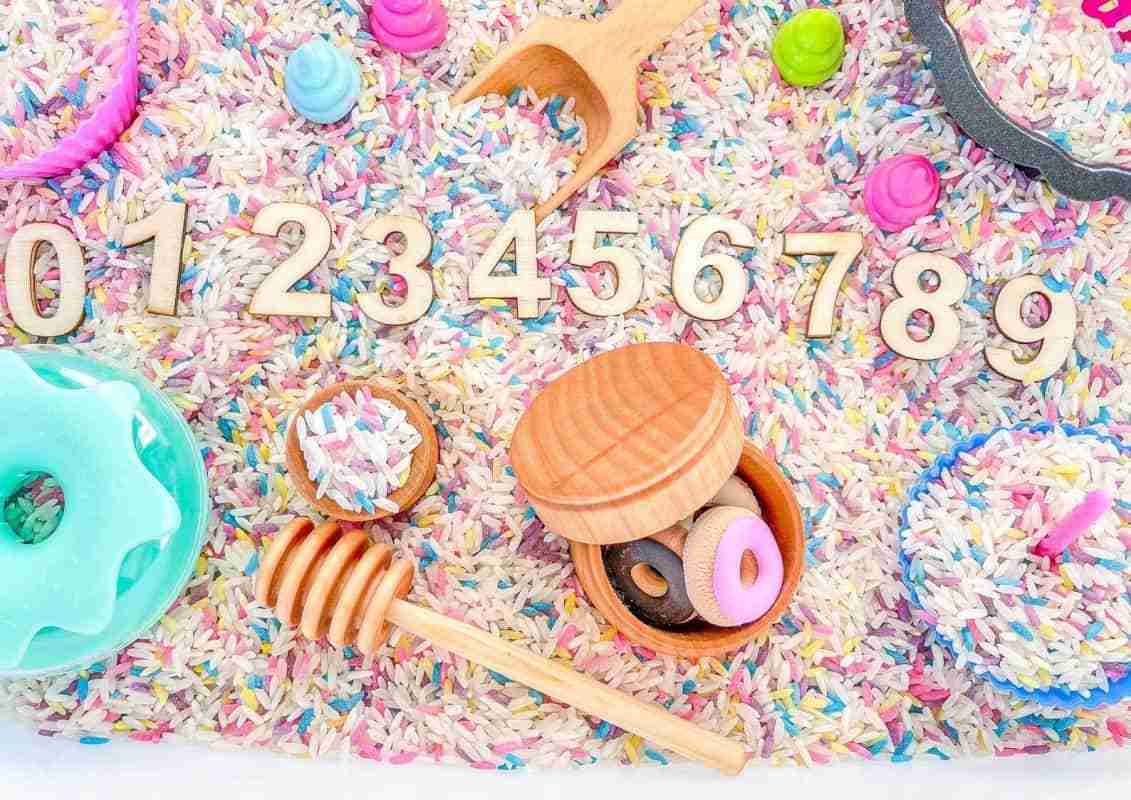
Adapting Sensory Bins for Older Kids
Sensory play doesn’t have to stop at preschool age. Older children can continue learning and can benefit from sensory bins and sensory play as well! Sensory bins for older children are great for siblings, neurodivergent learning and make great classroom learning tools.
Adapting sensory bins for older kids is an easy and straightforward process. Simply add more challenging and complex materials to your sensory bins. Opening up opportunities for problem-solving makes sensory bins more appealing for older children.
Here are a few ideas for sensory bins for older kids:
- Science & STEM integrated sensory bins
- Magnet sensory bin
- Circuits & gears sensory bin
- Literacy & spelling sensory bin
- Advanced math, sorting or pattern making sensory bins

To close, sensory bins aren’t just for toddlers. Infants through preschool (and beyond) can benefit from various forms of sensory play! Sensory-N-Stuff offers a wide variety of age-appropriate fillers and different themes for fun and safe sensory play for all ages. Come explore our selection today. Remember that children should always be supervised for safe sensory play.