
Blog
How to Plan a Sensory-Friendly Easter Egg Hunt

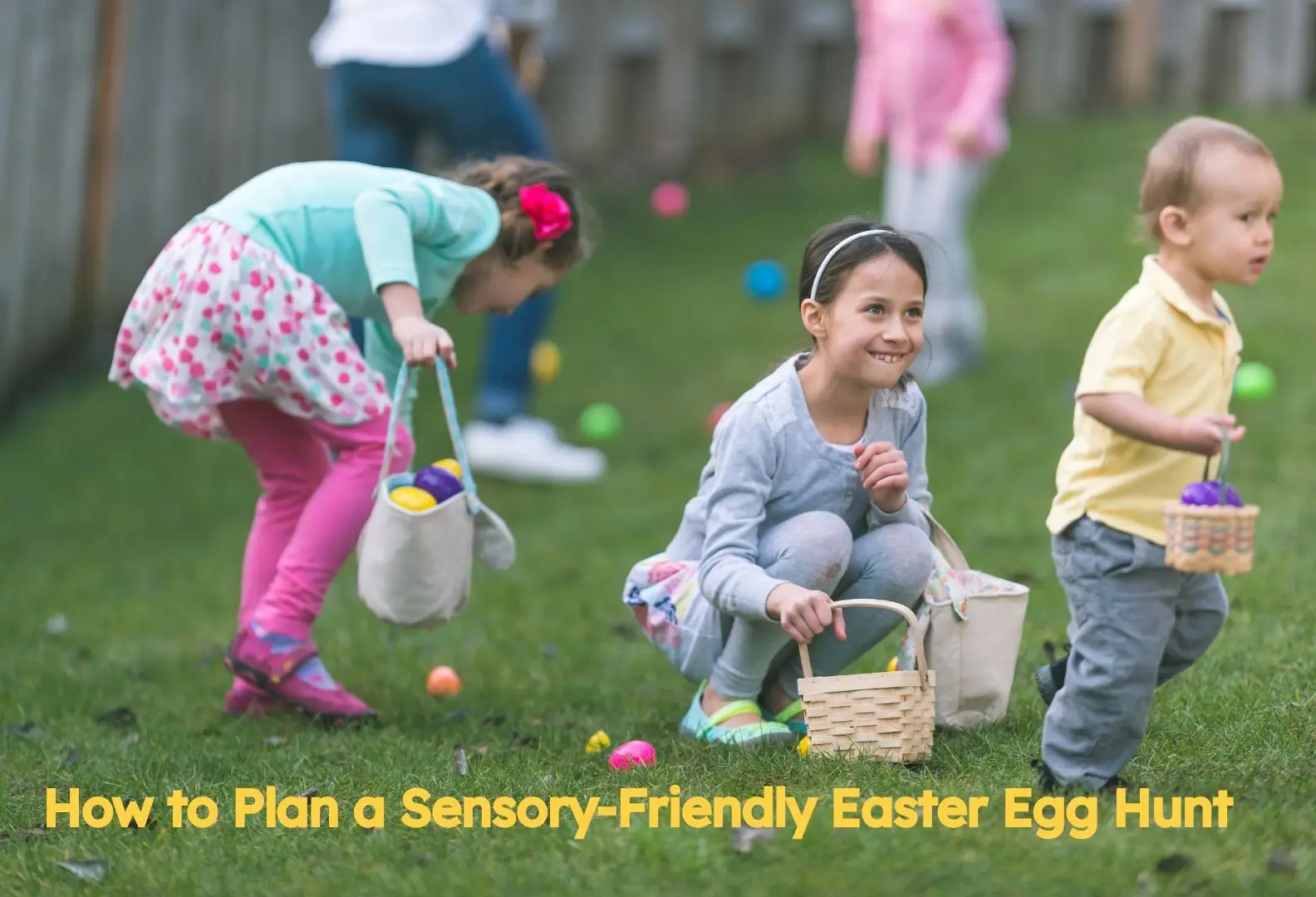
Easter egg hunts are one of the most beloved springtime traditions for kids, but for toddlers and sensory-sensitive children, they can quickly go from exciting to overwhelming. Loud crowds, frantic searching, flashing lights and bags full of sugary candy can transform what should be a joyful experience into a stressful one.
The good news? With a little planning and the right sensory toys, you can transform an Easter egg hunt into a sensory-friendly activity that every child can truly enjoy. Whether you’re a parent, teacher or therapist, this guide walks you through everything you need to know, from choosing the right location to picking the perfect sensory Easter egg fillers.
Let’s make this Easter magical, calm and full of sensory discovery.
What Is a Sensory-Friendly Easter Egg Hunt?
A sensory-friendly Easter egg hunt is a thoughtfully adapted version of the classic activity, designed with children who have sensory sensitivities in mind. This includes kids with autism spectrum disorder (ASD), sensory processing disorder (SPD), ADHD, anxiety or simply toddlers who are easily overwhelmed by chaotic environments.
Key elements of a sensory-sensitive Easter egg hunt include:
- A calm, predictable environment with minimal noise and overstimulation
- A slower pace that allows children to explore at their own comfort level
- Sensory-friendly egg fillers instead of candy. Think fidgets, textured toys and squishy items
- Clear structure and simple instructions so kids know what to expect
- Engaging sensory activities built into the hunt itself
Rather than focusing on speed or competition, sensory Easter egg hunts celebrate exploration, texture and discovery. And the secret ingredient? Sensory-based toys that keep kids engaged long after the hunt ends.
How to Set Up a Sensory Easter Egg Hunt
Setting up a successful sensory Easter egg hunt doesn’t have to be complicated. Follow these simple steps to create a calm and enjoyable experience.
Step 1: Choose a Calm, Predictable Location
The environment matters enormously for sensory-sensitive kids. Great locations include:
- Your backyard (quiet, familiar and easy to control)
- A living room or playroom
- A classroom sensory corner
- A small, closed-off section of a park away from crowds
Pro tip: Spread the eggs out in easily visible spots. Avoid hiding them in tight spaces or areas that require digging through sensory-overwhelming materials (unless that’s intentional, more on that later!).
Step 2: Use a Smaller Number of Eggs
Too many eggs scattered everywhere can feel visually and emotionally overwhelming. For toddlers and sensory-sensitive kids, 10–20 eggs is typically the sweet spot. Fewer eggs means less chaos, more focus and a higher chance of success and enjoyment.
Step 3: Add Visual or Color Cues
Visual supports help children understand what’s expected and reduce anxiety. Try these ideas:
- Color-coded eggs matched to individual baskets
- Picture-based instruction cards showing the steps of the hunt
- A simple visual schedule: “Find eggs → Put in basket → Open and explore!”
- Baskets with handles that are easy for little hands to carry
Easter Eggs Fillers for Toddlers
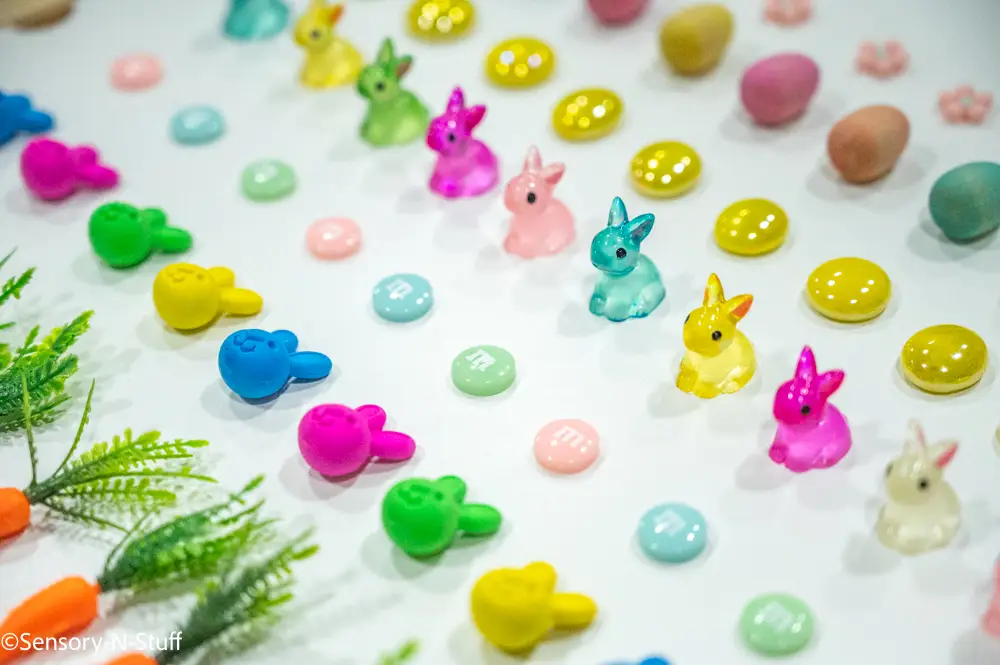
One of the most common questions parents ask is: What to put inside Easter eggs for toddlers that isn’t just candy? The answer is simple, mini sensory toys. Not only are they a safer alternative to sugar-loaded treats, but they also provide meaningful tactile and sensory engagement.
Here are some of the best sensory Easter egg fillers:
- Mini pop-its or bubble fidgets
- Small squishy toys or stress balls
- Stretchy fidget toys or noodles
- Textured sensory rings
- Mini marble mesh fidgets
- Small snap or flip toys
- Mini containers of sensory playdough
- Soft tactile items like mini pom-poms or fabric swatches
- Small figurines or rubber animals with interesting textures
- Stickers (a toddler classic!)
Small sensory toys fit perfectly inside standard plastic Easter eggs and keep kids engaged, squeezing, stretching and exploring long after the hunt ends. That’s what makes them far superior to candy, the play value extends the experience.
Mini Fidget Toys
These are perfect egg stuffers for kids who love to keep their hands busy:
- Pop fidgets and mini bubble poppers: satisfying, repetitive and calming
- Marble mesh tubes: great for squeezing and rolling
- Snap toys: provide tactile and auditory feedback
- Mini spinners: ideal for kids who love visual and rotational movement
Textured Sensory Toys
For kids who seek tactile input, textured toys are a wonderful choice:
- Squishy toys in fun shapes (animals, food, Easter themes)
- Stretchy noodles or rubbery fidgets
- Soft stress balls with varying resistance
- Bumpy or ridged sensory rings
Calm-Down Sensory Tools
For kids who are prone to overstimulation or meltdowns, calming tools inside eggs can actually serve a therapeutic purpose:
- Therapy putty or mini kinetic sand containers
- Calming sensory rings for chewing or tactile input
- Soft, pliable items that encourage slow, deliberate squeezing
Sensory toys give children something to explore, squeeze, stretch and discover, transforming a simple egg hunt into a rich, multi-sensory play experience. The Sensory-N-Stuff shop has a fantastic selection of mini sensory toys and fidgets that are perfectly sized for Easter eggs.
Turn the Hunt Into a Full Sensory Activity
Why stop at just searching for eggs? Incorporate sensory Easter activities into the hunt itself to deepen engagement and make the experience even more memorable. These ideas work beautifully for toddlers and sensory seekers alike.
Sensory Bin Egg Hunt
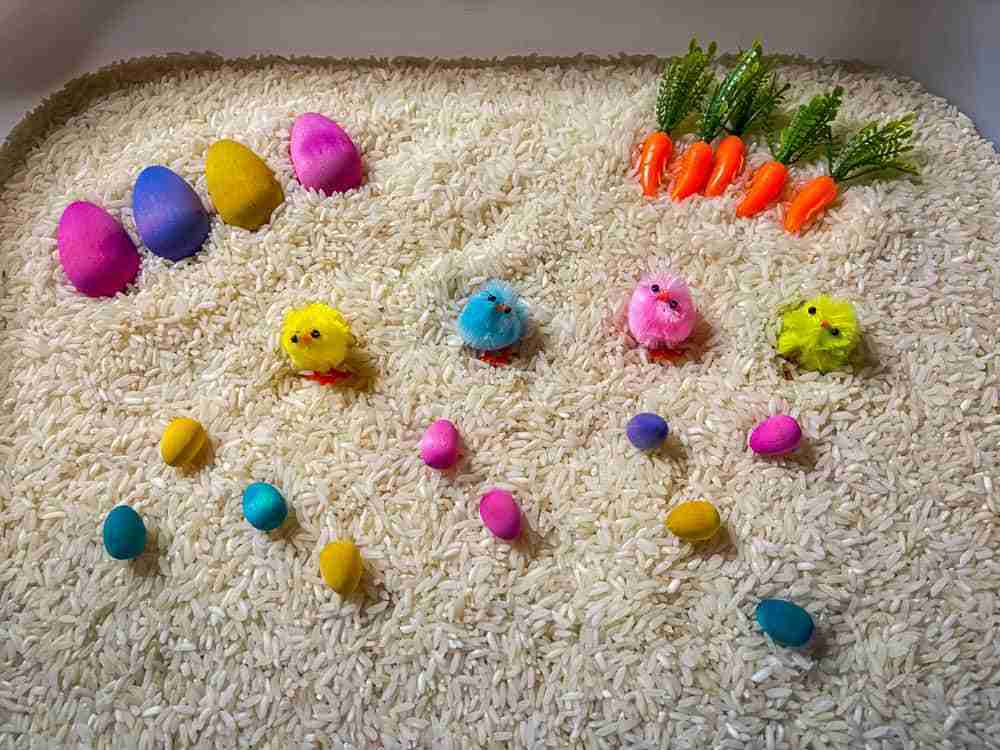
Hide plastic eggs inside a sensory bin filled with rice, dried beans, kinetic sand or Easter grass. Give children scoops, cups and spoons to dig and discover. This turns the hunt into a hands-on sensory exploration that many kids will want to repeat over and over.
Texture Treasure Hunt
Fill each egg with a sensory toy of a different texture. So, soft, bumpy, squishy, smooth, stretchy. When kids open each egg, they discover a new tactile surprise. This creates a natural opportunity to discuss textures and feelings, making it both therapeutic and educational.
Color-Matching Egg Game
Set out colored baskets or bins and ask children to match each egg to the correct color. This adds a gentle cognitive challenge while keeping the activity structured and predictable, two things sensory-sensitive kids tend to thrive with.
Sound Hunt
Fill some eggs with small bells, beads or rice so they rattle when shaken. Have children listen for the “noisy” eggs. This adds an auditory dimension to the hunt and can be wonderfully engaging for auditory seekers, just be mindful that very noise-sensitive kids may prefer the quiet eggs.
Easter Egg Ideas for Toddlers Who Need Extra Support
Some children need a little extra support to participate fully and comfortably. Here are some helpful adjustments to make your sensory Easter egg hunt more inclusive:
- Use larger eggs that are easier to spot and simpler to open, small eggs with tight lids can be frustrating for little hands
- Leave eggs partially visible rather than fully hidden, especially for younger toddlers
- Offer visual schedules with pictures showing each step of the activity
- Allow children to explore and open each egg at their own pace, no rushing
- Use lightweight baskets with comfortable handles that are easy for toddlers to carry
- Focus on the joy of discovery rather than how many eggs were found
- Have a quiet break area nearby where children can decompress if needed
Remember: the goal isn’t to find the most eggs, it’s to have a positive, engaging and confidence-building experience. Every child’s version of success looks different, and that’s perfectly okay.
How to Make an Easter Egg Hunt Sensory-Sensitive: Tips for Parents and Teachers
Whether you’re running an Easter egg hunt at home, in a classroom or at a community event, these tips will help you create a how-to Easter egg hunt sensory-sensitive experience that truly works:
- Keep groups small, large groups create noise, competition and unpredictability
- Avoid loud countdowns or starting buzzers; use a gentle verbal cue instead
- Give children time to fully explore each egg before moving on
- Provide a designated quiet break area with sensory tools available
- Let kids keep and play with the sensory toys they find. This reinforces positive associations with the activity
- Communicate with parents or caregivers beforehand about what to expect
- Prep children in advance using social stories or visual guides about what the hunt will look like
Sensory tools don’t just make the hunt more fun, they actively help children regulate their emotions and energy levels. When kids have access to fidgets, squishy toys and textured items, they’re better equipped to stay calm and engaged throughout the activity.
Create a Memorable Sensory Easter Tradition
Easter is a wonderful opportunity to build calm, joyful traditions that every child in your family or classroom can look forward to. When you focus on play, discovery and sensory exploration rather than competition and candy, you create an experience that’s not only more inclusive, it’s often more fun for everyone.
By choosing sensory egg fillers that keep children engaged beyond the hunt, you extend the value of the activity well past Easter morning. A child who finds a pop-it, a squishy toy or a marble mesh fidget in their egg has a new tool they can use for self-regulation, focused play and sensory exploration for weeks to come.
Ready to build your sensory Easter egg hunt kit?
Sensory-friendly toys, fidgets, and sensory bin supplies from Sensory-N-Stuff make it easy to create an Easter egg hunt every child can enjoy. Browse our collection of mini sensory toys perfectly sized for plastic Easter eggs and start building a tradition worth repeating every spring.