
Sensory Bin Fillers
Ignite your Tactile Senses with Sensory Bin Fillers from Sensory-N-Stuff
Our sensory bin fillers are crafted in small batches in our home kitchen using all non-toxic ingredients, making it taste safe for little ones to explore. Perfect for enhancing fine motor skills and encouraging imaginative play, these vibrant fillers offer a delightful tactile experience that engages children’s senses while ensuring safe and creative fun!
Key Features:
- Crafted in small batches in our home kitchen using all non-toxic ingredients
- Taste safe for little ones to explore
- Perfect for enhancing fine motor skill and encouraging imaginative play
- Vibrant fillers offer a delightful tactile experience
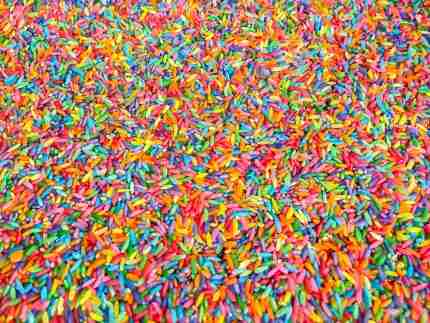
Rainbow Sensory Rice
Price range: $6.00 through $11.00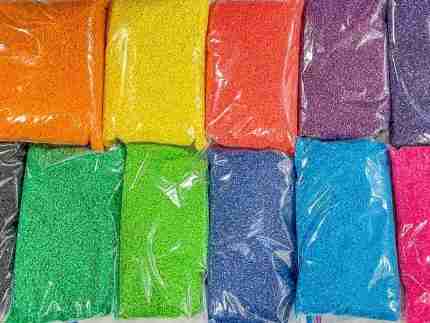
Choose Your Color Sensory Rice
Price range: $6.00 through $11.00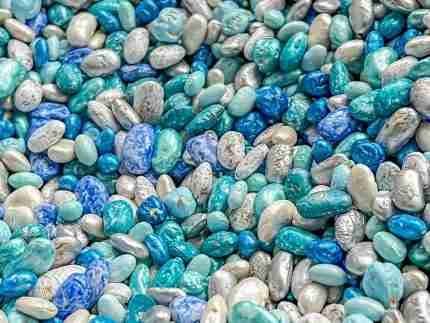
Winter Mixed Beans Sensory Filler
Price range: $8.00 through $15.00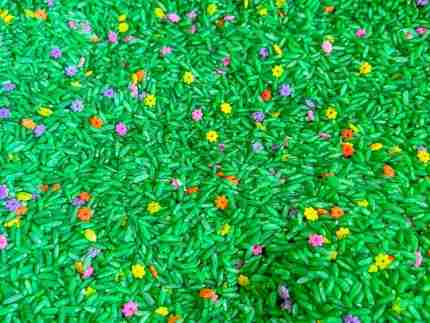
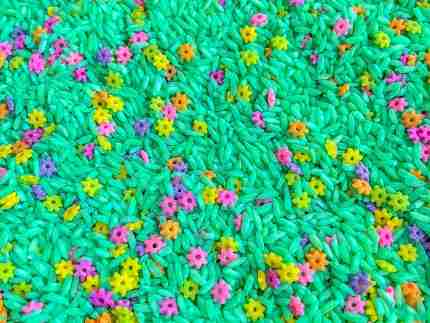
Spring Sensory Rice With Flowers
Price range: $6.00 through $11.00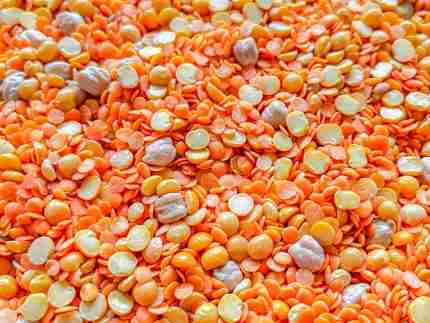
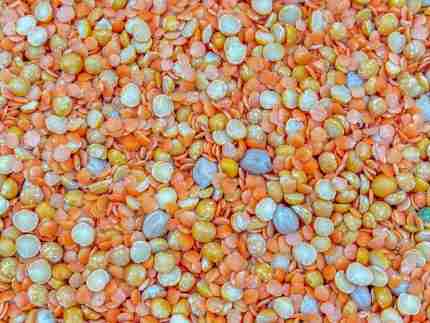
All Natural Autumn Sensory Filler
Price range: $7.00 through $12.00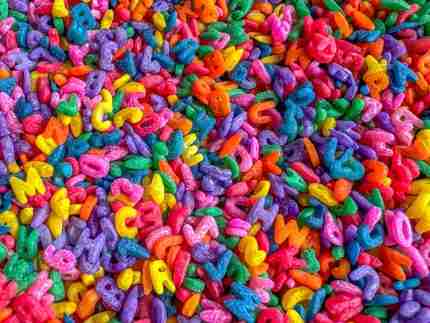
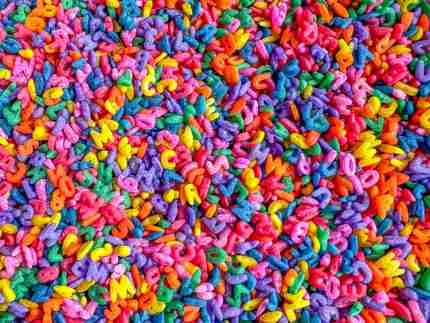
Rainbow Alphabet Sensory Filler
Price range: $8.00 through $15.00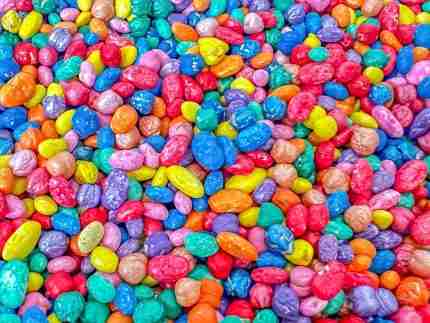
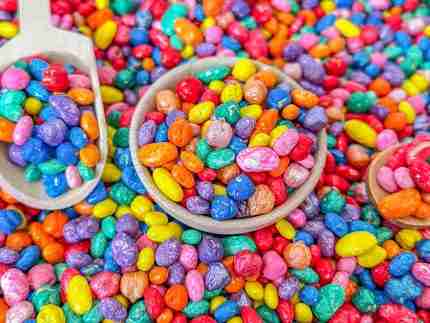
Rainbow Bean Mix Sensory Filler
Price range: $8.00 through $15.00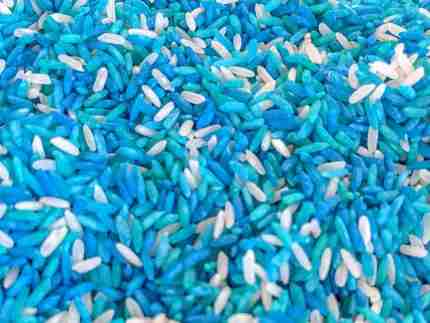
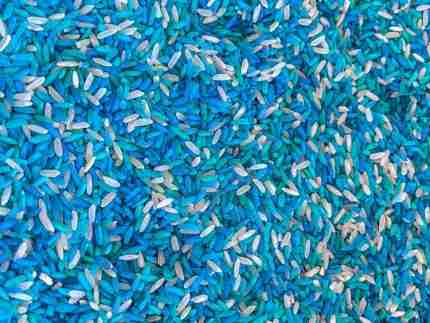
Blue Mix Sensory Rice
Price range: $6.00 through $11.00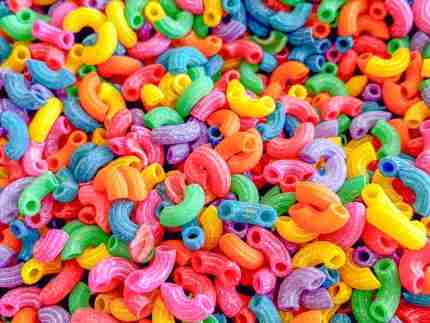
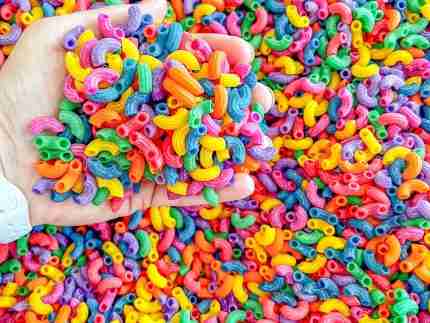
Rainbow Elbow Pasta Sensory Filler
Price range: $8.00 through $15.00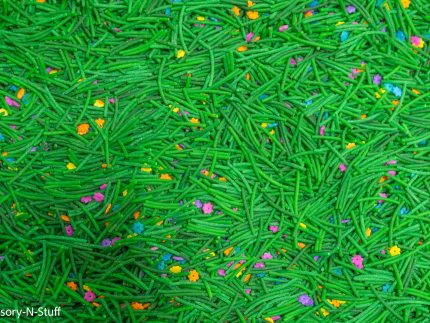
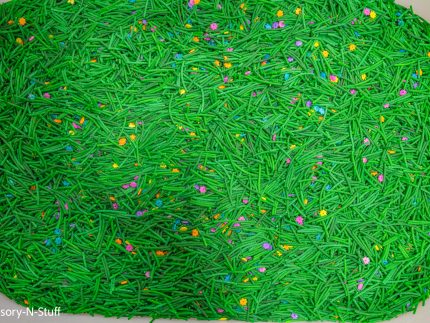
Flower Field Spring Sensory Filler
Price range: $7.00 through $12.00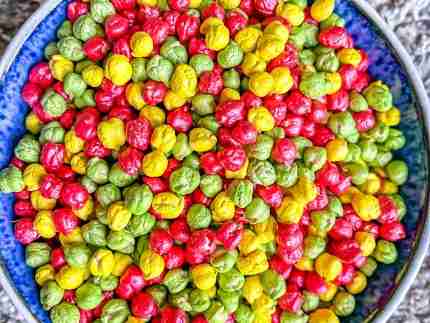
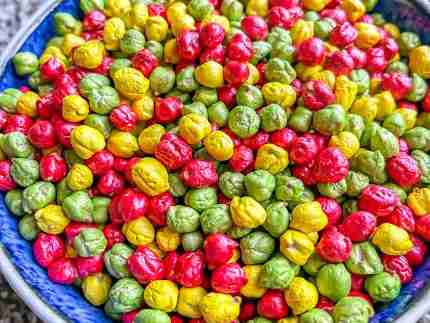
Apples Chickpea Sensory Filler
Price range: $8.00 through $15.00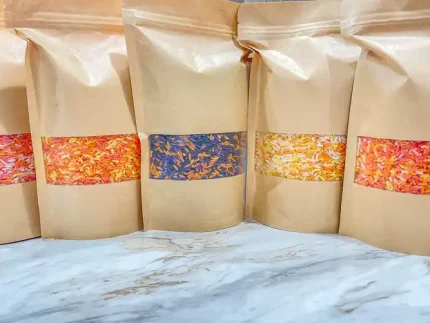
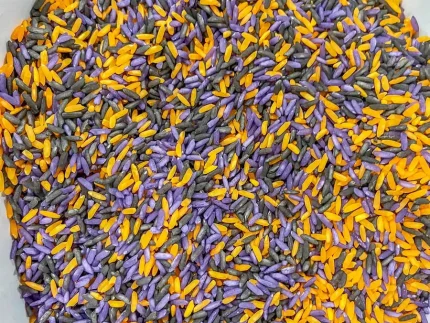


Fall and Halloween Rice Sensory Fillers
Price range: $6.00 through $11.00For two-year-olds, sensory bins should stimulate touch, sight, and sound while prioritizing safety. Because toddlers at this age explore with their mouths, should be chosen based on safety considerations. Always supervise sensory play closely.
- Taste-Safe Fillers (Best for Toddlers Who Still Mouth Items)
If your toddler is still prone to tasting their play materials, stick to these safe, edible bases:
- Dry Cereals: Cheerios, Rice Krispies, or puffed corn offer great crunch and texture.
- Dry Oats: Regular or quick-cook oats provide a soft, flaky tactile experience.
- Cooked Pasta: Tossed with a little olive oil (and dyed with food coloring for visual appeal), cooked pasta is squishy and fun to manipulate.
- Water: Simple, budget-friendly , and highly engaging for pouring and splashing.
- Traditional Fillers (For Toddlers Who No Longer Mouth Items)
If your child has passed the mouthing phase, you can introduce these classic sensory bases:
- Dried Goods: Dyed rice, dried beans, or popcorn kernels make satisfying sounds when poured.
- Molding Bases: Kinetic Sand or homemade cloud dough (flour and baby oil) are excellent for shaping and squishing.
- Paper Products: Shredded paper or colorful Easter grass provide a lightweight, highly textured alternative.
- Sensory Bin Tools and Toys
Boost fine motor skills, hand-eye coordination, and imaginative play by adding these household items and toys to the bin:
- Scoops & Containers: Measuring cups, silicone muffin liners, ice cube trays, and funnels.
- Fine Motor Tools: Small plastic spoons, whisks, and child-safe tweezers.
- Themed Toys: Small plastic animals, magnetic letters, rubber ducks, or toy construction vehicles (perfect for digging and dumping).
Quick Tip for Easy Clean-up: Sensory play can get messy. To make cleanup effortless, place a large bedsheet, beach towel, or plastic tablecloth underneath the sensory bin before play begins to catch any stray spills.
Looking for something a little different? Try using unexpected textures, non-traditional bases, and engaging themes that support learning, creativity, and fine motor development.
- Low-Mess & Clean-Up Friendly Bins
- Shredded Paper Snowscape: Fill a bin with shredded office paper and scatter white pom-poms throughout. Provide kid-safe tongs or tweezers to challenge children to "shovel" the pom-poms into ice cube trays, boosting hand-eye coordination.
- Magnetic Discovery Bin: Mix dyed chickpeas with metallic washers, bolts, and magnetic balls. Provide a magnetic wand so children can safely search for and extract the hidden metal treasures.
- High-Texture & Wet Bins
- "Super Suds" Toy Scrub Station: Fill a tub with warm, soapy water, sponges, and dirty plastic toys or doll clothes. Scrubbing the toys and wringing out the sponges is excellent for hand strengthening and bilateral coordination.
- Slimy Spaghetti & Chia Seed Bin: Cook spaghetti noodles and tint them with food coloring for a colorful, gooey base. Alternatively, soak chia seeds in water overnight to create an entirely taste-safe, gelatinous tactile experience.
- Open-Ended & Educational Bins
- Cloud Dough Dinosaur Dig: Make homemade cloud dough by mixing flour with baby oil or vegetable oil to create a silky, moldable sand. Hide plastic dinosaur skeletons or smooth stones beneath the surface for an exciting archaeological dig.
- Nature's Garden Exploration: Bring the outdoors inside by filling a bin with real potting soil, dry leaves, pine cones, and fresh flowers. Add plastic bugs and mini gardening tools to encourage realistic nature play.
- Button & Bead Lacing Bin: Fill a dry bin with an assortment of large, colorful buttons, beads, ribbons, and elastic strings. This setup seamlessly combines tactile exploration with early math skills like sorting, color matching, and pattern-making.
Sensory bins are incredibly versatile, hands-on play and learning tools.. To create an engaging sensory bin, you generally need three main components: a filler base, tools for fine motor skills, and themed accessories.
Here is a categorized list of the best items to put in a sensory bin:
- Sensory Bin Fillers (The Base)
The filler forms the foundation of your sensory bin. You can choose dry, wet, or natural materials depending on the sensory experience you want to create.
Dry Fillers (Best for easy cleanup):
- Uncooked rice (plain or dyed with food coloring)
- Dried beans (black beans, chickpeas, kidney beans)
- Dry pasta (spirals, penne, or bowties)
- Rolled oats or quick oats
- Corn kernels or birdseed
- Pom-poms or cotton balls
- Shredded paper or crinkle paper
- Kinetic sand or play sand
- Wet & Messy Fillers (Best for tactile exploration):
- Water (plain, colored, or soapy with bubbles)
- Ice cubes or crushed ice
- Shaving cream
- Water beads (non-toxic)
- Oobleck (cornstarch and water mixture)
- Slime or jelly
- Natural Fillers (Best for outdoor/nature themes):
- Soil or clean potting soil
- Dried leaves, pinecones, and acorns
- Pebbles, river rocks, or sea shells
- Fresh flower petals or grass clippings
- Fine Motor Tools (For Scooping & Pouring)
Adding tools encourages bilateral coordination, hand-eye coordination, and fine motor development.
- Scoops & Pourers: Measuring cups, spoons, ladles, small pitchers, and funnels.
- Grabbers: Tongs, tweezers, kid-friendly tweezers, and plastic clamps.
- Separators: Sifters, colanders, slotted spoons, and tea strainers.
- Containers: Muffin tins, ice cube trays, silicone cupcake liners, and small bowls.
- Toys & Themed Accessories (For Imaginative Play)
Incorporate toys to create specific themes (e.g., farm, ocean, space, construction) and encourage storytelling.
- Figurines: Plastic animals, dinosaurs, insects, ocean creatures, or small people.
- Vehicles: Mini construction trucks, cars, or boats.
- Educational Items: Magnetic letters, numbers, puzzle pieces, or flashcards to bury and find.
- Seasonal Items: Faux leaves and mini pumpkins (Fall), plastic eggs (Spring), or faux snow and ornaments (Winter).
- Loose Parts: Buttons, glass gems, large beads, and coins (for treasure hunts).
⚠️ Sensory Bin Safety Tips
- Under Age 3: Avoid small items like water beads, dry beans, buttons, and small marbles, which are choking hazards. Instead, use taste-safe bases like rolled oats, large pasta, or whipped cream.
- Supervision: Always supervise children during sensory bin play.
The most popular and effective liquids to put in sensory bags depend on the texture and visual effect you want to achieve, with baby oilbeing one of the top choices.
Here are the best liquids and gels to use for sensory bags:
- Baby Oil (or Mineral Oil): Highly recommended for a smooth, slow-glide texture. It has a great viscosity that allows glitter, beads, and small toys to drift gently. It is also perfect for making "oil and water" color-mixing bags, as it will not mix with water-based food coloring.
- Clear Hair Gel: Excellent for a thicker, squishier texture. This gel provides resistance, making it perfect for fine motor activities where children push beads or buttons through the bag.
- Water: The simplest and most accessible option. It is perfect for lightweight floating objects, and you can easily customize it with food coloring, liquid watercolors, or glitter.
- Clear School Glue: When mixed with a small amount of water, clear glue creates a suspended, slow-motion environment that keeps glitter and sequins from sinking to the bottom too quickly.
- Shaving Cream: While not a liquid, shaving cream creates a soft, pillowy, and completely opaque texture that is highly satisfying to squish and ideal for writing letters or shapes on the bag's surface.
Safety Tip: Whichever liquid you choose, always double-bag your sensory activity and secure the seals with heavy-duty packing tape or duct tape to prevent leaks.
Engaging the five senses (sight, hearing, smell, taste, and touch) is an excellent way to spark curiosity, encourage exploration, and create fun learning experiences. . Here are some of the best hands-on activities to explore each of the five senses:
- Sight (Visual)
Color Scavenger Hunt: Search around your home or backyard to find one object for every color of the rainbow.
Tray Memory Game: Place 8 to 10 small, random objects on a tray. Study them for 30 seconds, cover the tray, and try to recall and list as many items as possible.
- Hearing (Auditory)
Sound Shakers: Fill opaque containers or plastic eggs with different materials (like rice, coins, or cotton balls). Shake them and try to guess what is inside based on the sound alone.
Listening Walk: Close your eyes for 60 seconds in a quiet space or outdoors. Write down or verbally count every distinct sound you hear, from rustling leaves to distant traffic.
- Smell (Olfactory)
Scent Guessing Jars: Place cotton balls soaked in different liquids (such as vanilla extract, peppermint, or coffee grounds) into small containers and try to identify each aroma.
Scented Playdough: Knead spices like cinnamon or powdered drink mixes into homemade playdough to create a fragrant, moldable sensory tool.
- Taste (Gustatory)
Blindfold Taste Test: Put on a blindfold and sample foods representing the four main flavor profiles: sweet (chocolate chips), sour (lemon slices), salty (pretzels), and bitter (dark chocolate or pickles).
- Touch (Tactile)
Mystery Box: Place distinct objects (such as a cold sponge, a pinecone, a smooth rock, or a fluffy toy) inside an opaque bag or box. Reach in without looking and describe the textures to guess what the object is.
Texture Collage: Collect different materials from around the house—such as sandpaper, aluminum foil, cotton balls, and felt—and glue them onto cardboard to create a tactile masterpiece.
The Ultimate All-in-One 5 Senses Activity: The Popcorn Experiment
If you want to experience all five senses simultaneously, making popcorn is the perfect activity:
- Sight: Watch the kernels rapidly swell, pop, and release steam.
- Hearing: Listen to the rhythmic, popping sounds as they accelerate and slow down.
- Smell: Inhale the rich, buttery, and warm aroma filling the room.
- Touch: Feel the contrast between the warm, fluffy, and bumpy textures of the popped corn.
- Taste: Savor the salty, savory crunch of the finished snack.