
Sensory Bin Kits
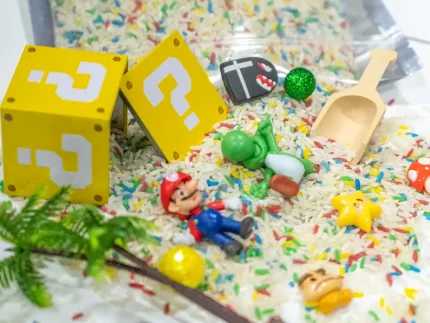
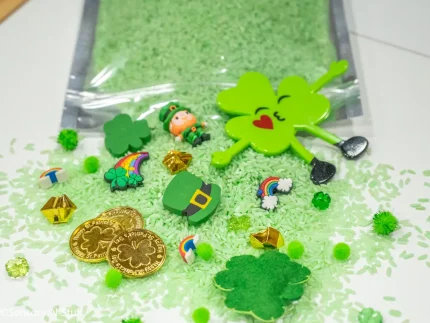
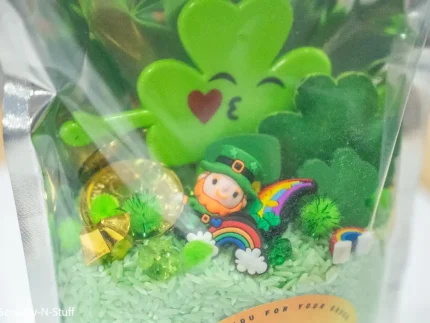
Our sensory bins are more than just toys—they’re invitations to explore, imagine and learn. Each kit is thoughtfully designed to encourage hands-on play that supports developmental milestones while keeping toddlers and kids engaged for hours. With so many textures, colors and themes, our toddler sensory bins let little ones dive into creative play, discover new sensations and experiment in a safe, fun environment. Perfect for home, daycare or school settings, these kits provide a simple way to spark curiosity, nurture fine motor skills and make learning feel like an adventure. Dive in and watch how playtime transforms into a world of discovery.
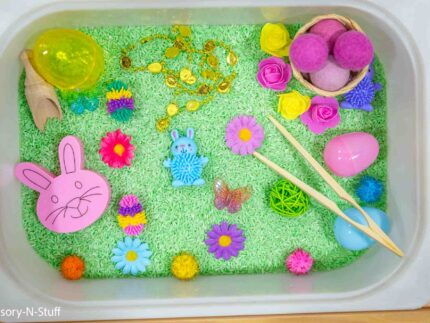
Easter Sensory Bin w/ Tongs
Price range: $35.00 through $55.00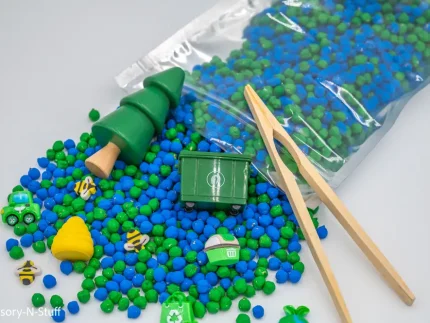
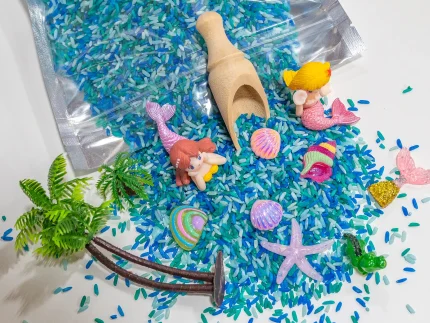
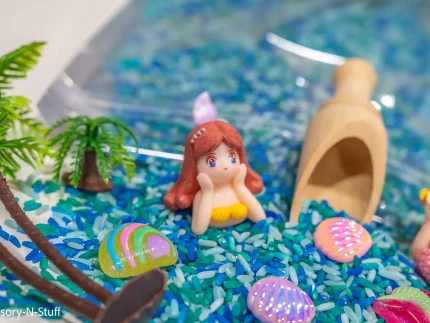
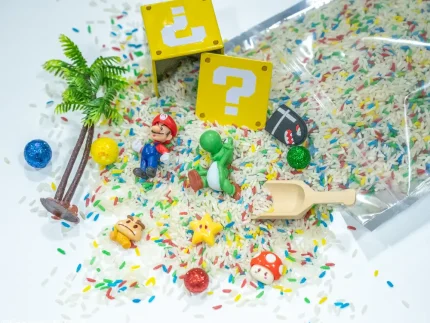
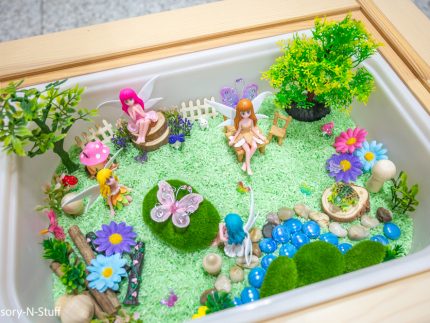
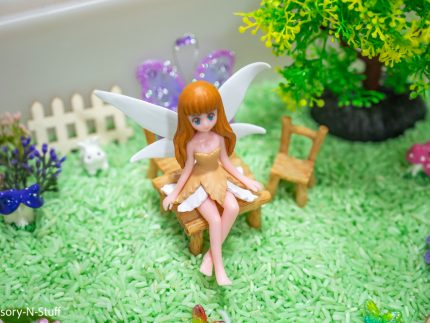
Fairy Garden Sensory Bin
Price range: $50.00 through $70.00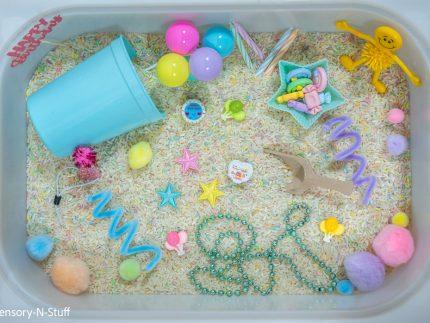
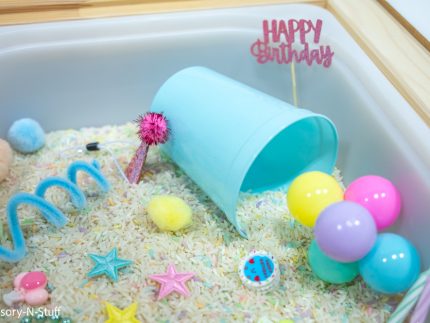
Pastel Birthday Sensory Bin
Price range: $35.00 through $55.00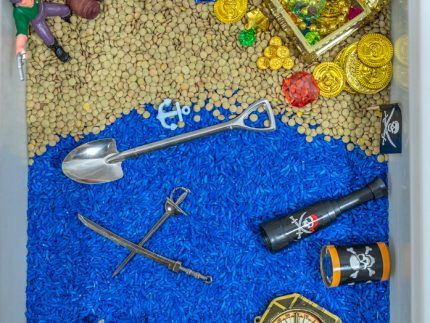
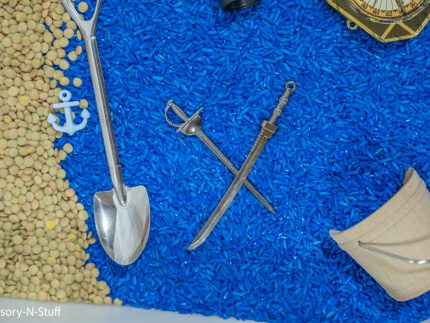
Pirate Sensory Bin
Price range: $35.00 through $55.00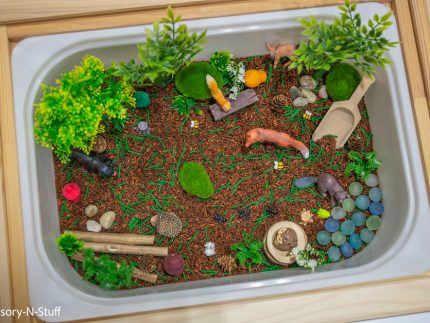
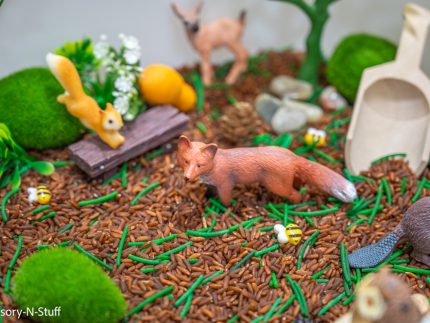
Woodland Animal Sensory Bin
Price range: $50.00 through $70.00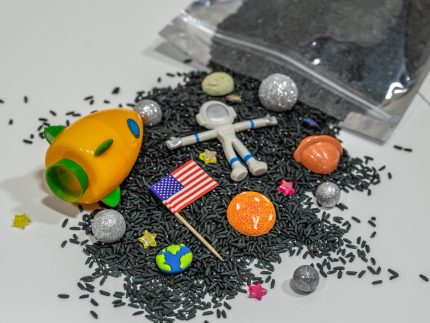
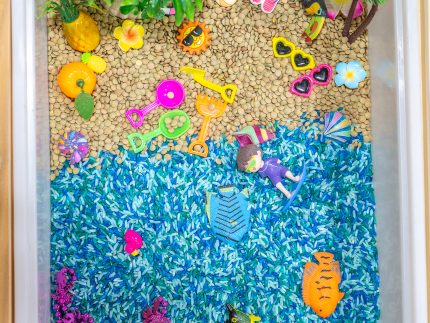
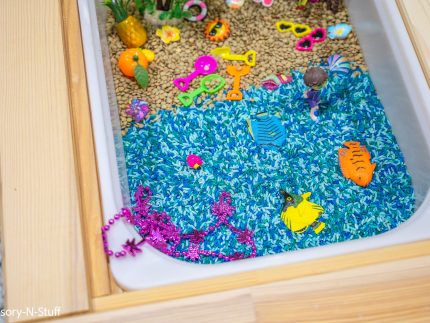


Summer Sensory Bin
Price range: $35.00 through $55.00The primary purpose of sensory bins is to provide children with hands-on, tactile play opportunities that engage their senses (touch, sight, hearing and smell) to promote active learning and cognitive development. These interactive play setups are highly effective tools for both classroom and home learning environments.
Sensory bins support early childhood development in several key areas:
- Stimulates Sensory Exploration: Engaging multiple senses helps build vital nerve connections in the brain, improving a child's ability to process sensory information.
- Enhances Fine Motor Skills: Actions like scooping, pouring, pinching, and grasping objects inside the bin strengthen hand-eye coordination and muscle control.
- Supports Academic Learning: Sensory bins can easily be customized with educational themes—such as seasons, holidays, numbers, or letters—to teach foundational academic concepts.
- Encourages Language Development: Exploring different textures and objects encourages children to use descriptive words (e.g., rough, smooth, soft and pour) and communicate their observations.
While sensory bins are excellent tools for early childhood development, they present several safety and practical risks if not properly managed:
- Choking Hazards: Sensory bins often use small materials like dried beans, water beads, rice, or small toys. These objects pose a significant choking hazard, especially for younger children who naturally explore by putting items in their mouths.
- Allergen Exposure: Common fillers—such as wheat pasta, nuts, scented items, or dyed materials—can trigger allergic reactions or skin irritation in sensitive children.
- Sanitation and Bacteria Risks: Wet or organic fillers (such as water, cooked pasta, or shaving cream) can easily harbor bacteria, mold, or pests if not cleaned, dried, or replaced regularly.
To minimize these risks and ensure a safe learning environment, follow these best practices:
- Provide Constant Supervision: Always watch children closely during sensory play to prevent them from ingesting or inhaling small parts.
- Use Age-Appropriate Fillers: For children under three, or those who still mouth objects, avoid small parts entirely. Instead, use larger, non-toxic, or taste-safe alternatives (such as large oats or edible play dough).
- Select Allergen-Free Materials: Carefully vet all bin materials to ensure they are non-toxic and free from any household allergens.
- Prioritize Easy-to-Clean Setups: Use waterproof, non-porous bins that can be easily washed and sanitized after each use to prevent bacterial growth.
There is no set amount of time or strict daily schedule required for baby sensory play. Because infants learn about the world through exploration, valuable sensory development happens naturally during their normal daily routines and activities.
To maximize these developmental benefits, you can easily enhance your baby's daily playtime with these practical tips:
- Incorporate Senses into Daily Routines: Everyday activities like bath time, feeding, and outdoor walks are packed with natural sensory experiences. Feeling warm water, tasting new food textures, or hearing birds chirp all count as sensory play.
- Engage Multiple Senses: Look for simple ways to add more senses to an activity. For example, choose toys that feature different textures to touch, bright colors to see, and gentle sounds (like crinkles or rattles) to hear.
- Follow Your Baby’s Cues: Let your baby guide the duration of the play. If they are smiling and engaged, continue the activity. If they turn away, fuss, or rub their eyes, they may be overstimulated and ready for a break.
- Keep It Simple: You do not need elaborate setups. Safe, everyday household objects—such as a smooth wooden spoon, a soft silicone spatula, or a crinkly piece of paper—make excellent, budget-friendly sensory tools.
No, sensory bins do not have to be messy at all. While sensory play is often associated with clutter, sensory bins are actually an excellent, controlled tool for teaching children boundaries and self-control.
Instead of focusing on the potential mess, parents can use sensory bins to help children develop valuable developmental skills, including:
- Learning Boundaries: Sensory bins provide a defined physical space, helping children understand the concept of keeping materials contained.
- Developing Self-Control: Playing with sensory materials teaches children to manage their impulses and resist the urge to throw or scatter items.
- Following Rules: Setting simple guidelines (e.g., "the rice stays inside the bin") helps young children practice playing within a structured set of rules.
- Establish Clear Expectations: Before play begins, explain the rules of the bin. If your child starts throwing materials, gently pause the activity to reinforce the boundaries.
- Use a Catch-All: Place a large bedsheet, towel, or plastic tablecloth underneath the sensory bin to catch any accidental spills for quick cleanup.
- Choose Low-Mess Fillers: If you want to avoid mess entirely, start with dry, easy-to-sweep materials like large pasta shapes, pom-poms, or wooden blocks before moving on to finer materials like sand or water.
Kids play with sensory bins through hands-on, open-ended exploration. By touching, scooping, pouring, and sorting materials, children engage their senses and develop fine motor skills.
Here is how to set up and encourage sensory bin play:
- Prepare the Base: Fill a large container with a sensory filler material such as uncooked rice, dried pasta, sand, water, or dried beans.
- Add Tools and Toys: Place everyday household items into the bin, such as spoons, measuring cups, funnels, tongs, or small plastic toys.
- Let Them Explore: Allow your child to freely explore the textures, bury and find objects, and play at their own pace.
- Guide and Interact: You can encourage learning by demonstrating how to scoop, pour, and transfer materials. Talk to your child about what they are doing to help build their vocabulary (e.g., describing textures like "rough" or "smooth" and actions like "heavy" or "empty").