
Blog
Sensory Bins for Siblings: How to Make Play Work for Different Ages

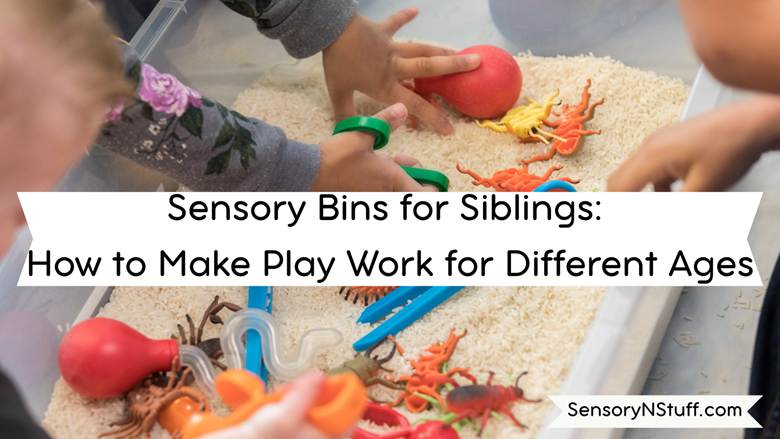
Sensory bins are a must-have at home, in the classroom, and on the go. They’re simple, engaging, and adaptable to nearly every situation. With endless themes and materials to explore, they spark curiosity and imagination in children of all ages. Different age groups have different play needs, however.
In this post, we’re going to discuss some easy sensory bin ideas and strategies to make one sensory bin work for siblings of multiple ages.
Start with the Right Bin and Filler
The first thing you’ll need to do is choose the right bin and filler for your sensory box. Pick a big enough container that multiple children can reach in comfortably at the same time. A wide, shallow bin or tray is a great choice. Next, you’ll want to pick safe, versatile fillers. Be sure to consider the children’s age for safety reasons. Avoid smaller pieces or potential choking hazards when choosing fillers for toddlers.
What to put in sensory bins:
- Rice
- Dried beans
- Chickpeas
- Pasta
- Fabric scraps
- Pom poms
- Water beads
- Kinetic sand
- Shredded Paper
Expert tip: A themed sensory box works wonderfully and can capture interest across different age groups. There are several different themes you can choose from. Here are a few suggestions:
- Farm
- Garden/Plants
- Ocean/Pond
- Dinosaurs
- Fall/Spring/Summer/Winter
- Holiday-themed
Add Tools for Different Ages
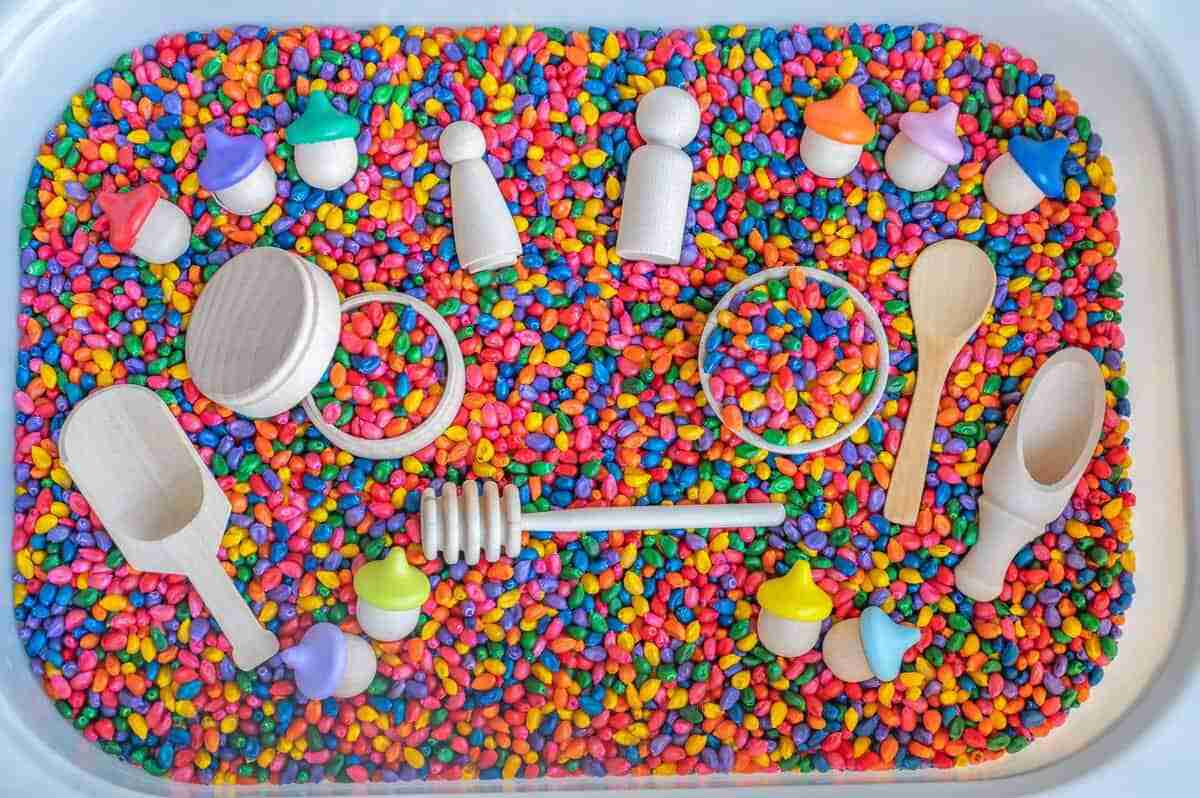
When adding tools for different age groups, variety is the key. It’s helpful to add different tools based on age so everyone can safely and fully enjoy the sensory play experience. Offer different sensory bin items in your sensory box, including scoops, spoons, cups, tweezers, strainers, bowls, and measuring cups.
For sensory boxes for toddlers, focus on texture play, scooping, pouring, and filling. Sensory bins for 2 year olds might include sensory bin items such as large scoops, cups, and easy-to-grasp items free from choking hazards. Sensory bins for 3 year olds might include larger tongs, spoons, scoops, and cups.
Preschoolers aged 4 and above can benefit from sensory boxes that offer sorting by color/shape, counting, letter/number hunts, and simple math challenges. These tools encourage early learning skills and literacy play. Sensory bins for 4 year olds can offer more advanced tools such as tweezers, strainers, and funnels.
Encourage Shared but Individual Play
Encouraging shared but individual play gives children the best of both worlds. It allows them to enjoy the social aspect of being together and learning cooperation and communication, while still respecting their personal space and their own individual development needs. Each child can focus on their own activity and goals at their own pace without the pressure to compete with their siblings. Creating this balance allows for independence and builds confidence, while still developing bonds and connections with siblings.
Here are a few ideas for sensory bins that encourage shared but individual play:
- Set up a “shared bin,” but provide each child with their own tools/containers so they can play side-by-side. One child can scoop rice while the other pours, etc.
- Try this same concept with a themed bin, such as “ocean” theme. One child can arrange the animals, rocks, sand, etc,. while the other engages with the tools.
- Give older siblings “helper” roles. The older child can show the younger one how to scoop or how to pour carefully.
- Rotate who gets to choose the filler or theme of the day/week.
Build Learning Into the Fun
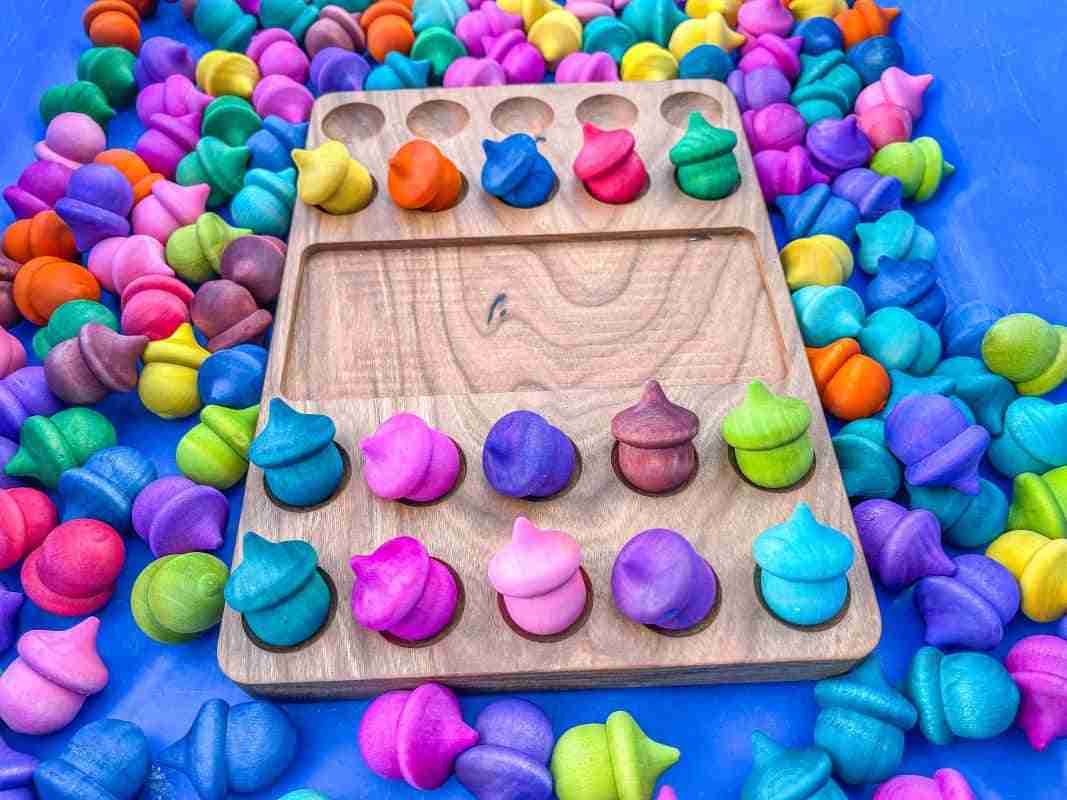
One of the things that’s so great about sensory bins is how easy it is to build learning into fun! With little bins for little hands, everyday play can turn into opportunities to practice colors, shapes, math, and more. Kids don’t even recognize they’re learning because they’re having so much fun. Sensory activities through play feel natural and exciting to young children.
Turning a basic sensory bin into a learning lesson doesn’t require much work. Simply add a few tools or themed items that support early learning development.
Practice math and literacy by hiding letters, numbers, or themed items for sorting, counting, or spelling.
Develop language skills by naming textures, actions, and objects within the sensory box. For instance, you could say things like “smooth beans” or “scoop and pour”.
Foster creativity by patternmaking or offering pretend play items like farm animals in corn or seashells in the sand.
Keep It Fresh and Manageable
Keep sensory bins fresh and manageable to keep children interested and engaged. Here are some practical sensory bin ideas to keep it fresh and manageable:
- Rotate fillers weekly. This keeps children interested in sensory bin items. Read our recent blog post on “How to Rotate Sensory Bins Without Making a Huge Mess Every Time” here for mess-free tips on rotating bins.
- Swap the fillers from rice to dried beans to make DIY sensory bins feel brand new again.
- Switch up the tools. Swap the scoops and cups for tongs and tweezers.
- Store sensory bin items in labeled containers for easy setup/cleanup.
- Involve older kids in the setup to build responsibility and keep them engaged.
- Add seasonal and holiday themes to the rotation. Match the time of the year to keep things exciting and fresh.
- Contain the mess. Place sensory boxes on sheets or blankets for easy clean up. Keep a broom nearby for quick sweeps.
- Follow their lead. Add your children’s favorite things to the sensory boxes to keep them interested and engaged.
Discover how to keep your sensory bins fresh and clean!
Sensory bins can be one of the easiest ways to bring siblings together, even when they’re at different ages and stages in life. With a little preparation and planning, everyone can get age-appropriate play and learning opportunities. Each child can explore at their own pace through scooping, pouring, and imaginative play. This helps them gain independence, build cooperation skills, and confidence while bonding with siblings. By using these tips and tools above, you can make sensory play work for the entire family.
CHECK OUR PRODUCTS FOR


