
Blog
How Teachers Can Use Sensory Bins in the Classroom Without Chaos

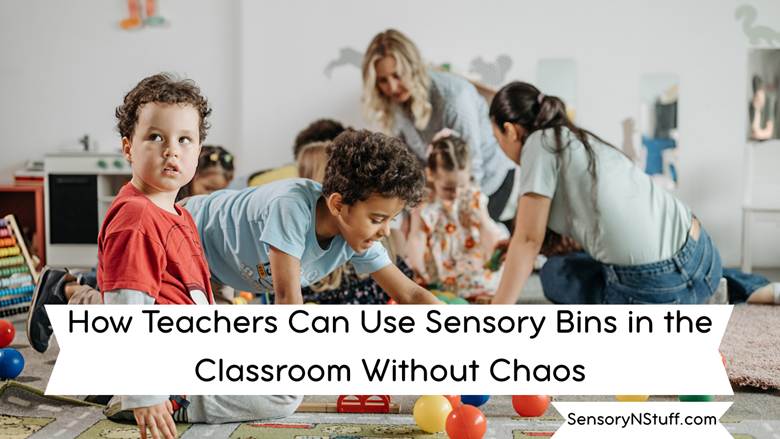
If you’ve been following along on our blog, you know that sensory bins are little shallow bins filled with rice, dried beans, sensory tools, and more fun objects to capture children’s attention and focus. While they are certainly fun for children to play with at home, they are also excellent educational tools for the classroom.
Teachers love them because they’re entertaining, don’t require a lot of prep work, and make the classroom run more smoothly. If sensory bins are not managed well, however, they can quickly become chaotic. No worries, though! With the right strategies, sensory bins can be a calming and structured tool for learning. Let’s discuss ways teachers can use these bins in the classroom without chaos.
Set the Stage Before You Start
Before setting up a sensory classroom, you’ll want to define clear expectations for your students. This includes telling students what sensory bins are for (focus, calming, learning, etc.) Here are a few sensory strategies for the classroom:
- Create routines for a sensory-friendly classroom.
- Work sensory bins into center rotations, early finisher activities or transition activities.
- Pair bins with quiet spaces, visual schedules, and clear cues so students know what to expect.
- Create a ‘calming corner’ or a dedicated cozy, sensory space for kids to reset and focus when they become overwhelmed.
Keep Management Simple
Another trick for a less chaotic sensory classroom is to keep management simple. Small bins often work the best in classrooms. Smaller, individual or partner-sized bins are easier to control than a big sensory table for preschool.
Use quiet, safe fillers for kindergarten sensory bins. Choose materials such as rice, dried beans, kinetic sand, or pom-poms instead of the noisier and messier options. A preschool sensory bin should be limited to 2-4 students at a time or rotated through small groups to keep play manageable and engaging.
A sensory area in classroom settings works best when it’s organized and easily accessible for students. Store bins, fillers, sensory tools, and materials in a tool kit area or a central place. Teachers should encourage students to take responsibility for choosing materials, using, cleaning up, and putting away the sensory materials.
Make Sensory Bins Part of Learning
Making bins a part of learning in your sensory friendly classroom can be fairly easy to manage. First, start by integrating them into the curriculum. Incorporating sensory bins into lessons is a simple way to make learning fun and engaging. It offers a hands-on learning experience for students.
You can also add letter tiles, number cards, or vocabulary objects into the bins. This is great for literacy and math centers. Educators can use sensory activities and classroom setups to teach core skills such as counting, letter identification, and sorting while also supporting focus and self-regulation.
Exploring different sensory ideas for classroom use keeps students curious and motivated. Try themed bins, fillers, sensory tools, and toys. Rotate fillers and objects to match lessons like farm animals, holidays, changing of the seasons, shapes, or story retelling. For younger learners, creative sensory bin ideas for preschoolers, is like color hunts, alphabet find, or farm animals connect play with early learning concepts.
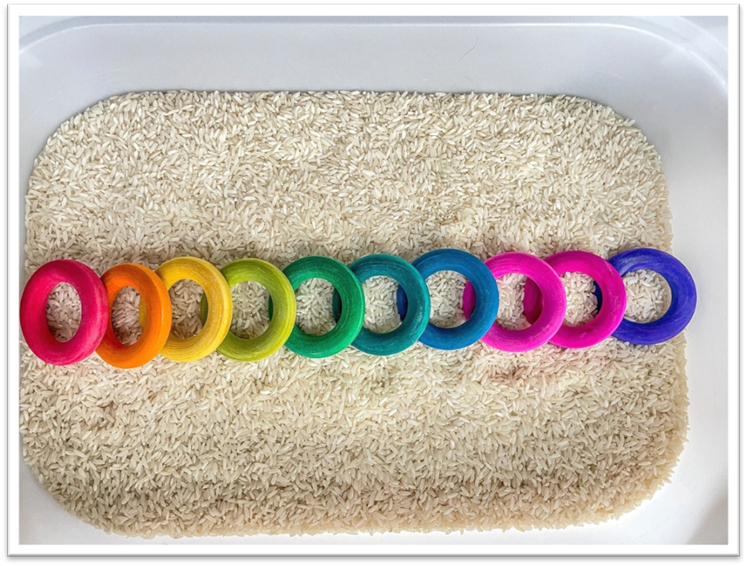
Keep kids engaged without disrupting the rest of the class by offering sensory bins as a quiet activity for early finishers. By making sensory bins a part of the learning experience, you can create powerful learning opportunities from everyday moments.
Teach Responsible Use
To create a successful sensory classroom, it’s crucial to teach responsible use of sensory bins. Setting clear expectations for students helps teach independence, respect, and caring for shared materials.
A few simple sensory ideas for classroom management and responsible use include:
- Modeling how to use and clean up bins before exploring.
- tools and taking turns with classmates.
- Practicing “how-to” sessions so kids learn to scoop, pour, and handle fillers without spilling or making a mess.
- Limiting the number of students for each bin to keep play manageable and engaging.
- Assigning helpers or rotating responsibilities so everyone takes part in the setup and cleaning process.
- Remind students that fillers, tools, and other sensory materials stay inside the bin to keep the space organized and easily accessible.
- Praise students when they use bins responsibly to reinforce positive behavior.
Encourage Exploration and Fun- Without Chaos
Exploration and fun without chaos becomes possible when sensory play is structured, responsible use is taught, and clear routines and boundaries are set. This can be achieved in a variety of different ways:
- Teachers can let students suggest fillers or themes (teacher-approved) so they feel ownership.
- Offer simple tools in the sensory classroom, like scoops, tweezers, or cups that help with fine motor development.
- Keep bins fresh by swapping out fillers and rotating them through different centers.
Students can use kindergarten sensory bins to dive into hands-on activities that spark curiosity while still following simple rules, like keeping materials in the bin and taking turns with classmates. A well-thought-out preschool sensory bin can encourage imagination and discovery, while still teaching boundaries and respecting classroom space. This balance allows children to explore freely and enjoy the excitement of sensory play in a calm, organized way.
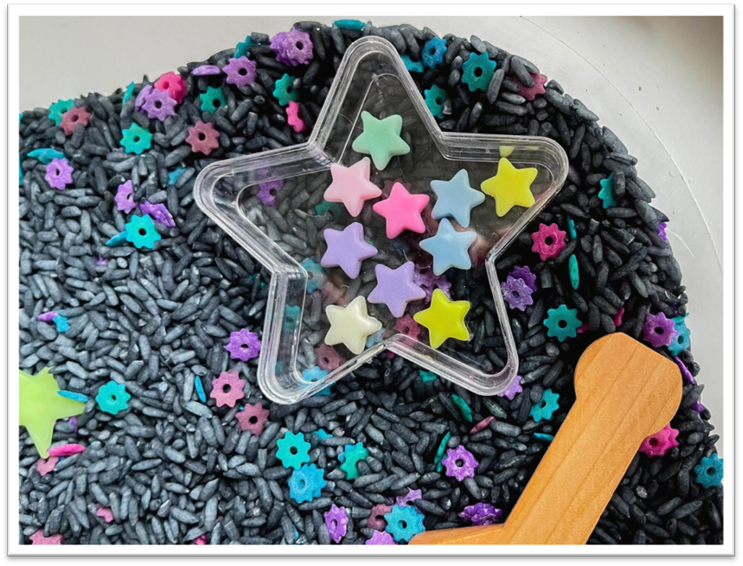
Sensory bins don’t have to be chaotic! With clear expectations, smart organization, and a few go-to strategies, they can become one of the most treasured parts of a sensory classroom. When students know the expectations and routine, they gain independence and confidence in mastering sensory play in the classroom. Teachers can relax knowing that their sensory friendly classroom is well managed and it’s both a fun and educational experience for their students.
CHECK OUR PRODUCTS FOR A


