
Blog
How Does Sensory Play Stimulate Social Development?

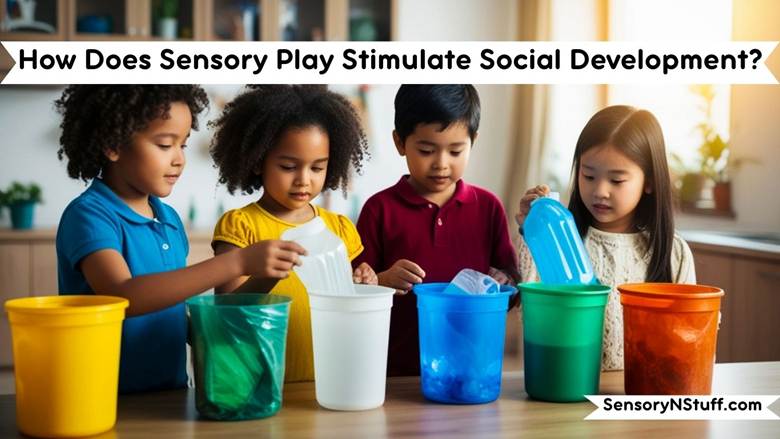
When children gather in a play area together everyone wants the same toy, nobody wants to take turns, and frustration can quickly escalate. Sharing, communication, and cooperation doesn’t come naturally for most children. Parents and educators know how quickly playtime can turn into a struggle.
Sensory play can be a natural, low-pressure way to practice social skills for kids. In this post we’ll explore the benefits of sensory play and provide strategies and recommend products for fostering social-emotional learning through sensory play.
What Is Sensory Play and Why It Matters
Sensory play is any activity that engages or stimulates the vestibular system, the proprioceptive system, or any of the five senses: touch, sight, sound, taste, and smell. This could mean listening to calming music, bouncing a ball, playing with playdough, or scooping rice from a bin. These activities help children build essential sensory skills that help them interpret the world around them.
When children process sensory information effectively, it supports early childhood sensory development and creates the framework for strong social-emotional development. Calm tactile input can regulate emotions, making it easier to share, take turns, and communicate with other children. Even cooperative sensory activities like playing together in a large sensory bin naturally encourage teamwork. Our themed sensory bins and tools at Sensory-N-Stuff are designed to nurture these skills in a fun way.
The Social Benefits of Sensory Play
The social benefits of sensory play are profound. By providing safe, engaging experiences, children practice sharing, turn-taking, and cooperation while building empathy and improving communication skills. These activities reduce social anxiety, strengthen peer relationships, and teach children to navigate group interactions confidently.
Core Social Skills Developed Through Sensory Play
Key social behaviors begin to develop as children engage in sensory-rich activities. As we mentioned previously, sensory play naturally supports the development of vital social skills. Here’s some activities that target specific areas and product recommendations that compliment them.
Collaboration and Cooperation
Sensory play creates opportunities for kids to work together, communicate, and solve problems as a team. When kids create something together, they’re practicing building blocks of cooperation which are key social skills for kids in a fun and low-pressure way.
Collaboration and cooperation activities to try:
- Sand tables
- Group art projects
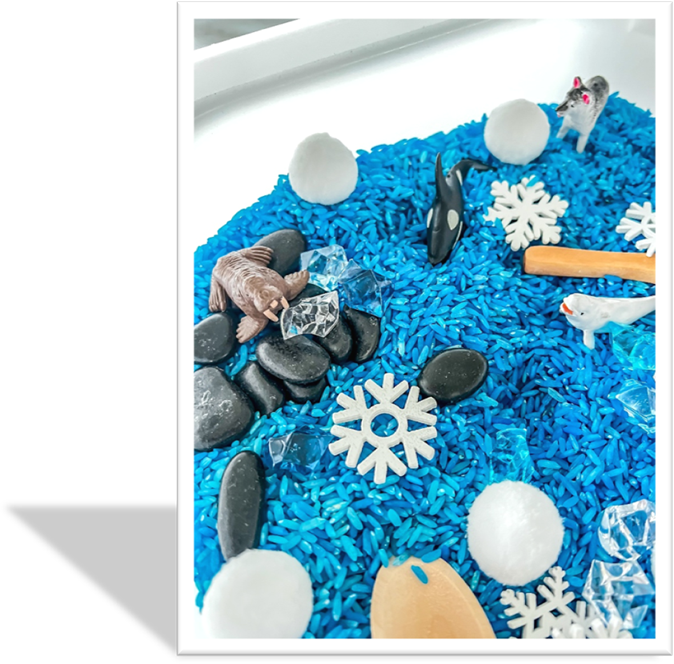
- Shared sensory trays or sensory bins
- Cooperative playdough creations
- Scoop and pour with a partner
Product recommendations for collaboration and cooperation
- Sand/water tables
- Collaborative play sets such as scoops, tongs, or sensory items that kids can pass back and forth to build together.
- Large playdough sets for collaborative play.
Sharing and Turn-Taking
Sharing and taking turns isn’t easy for children. Sensory play offers an easy, hands-on way to practice these sensory skills. With sensory play activities, sharing feels more like fun and less like a rule that needs to be followed. These moments highlight the everyday benefits of sensory play, especially when it comes to practicing patience and positive interactions with other children.
Activities that encourage sharing and turn-taking include:
- Limited sensory materials: Set out a variety of sensory materials and encourage children to share them. Set a timer so kids can anticipate their turn with each tool.
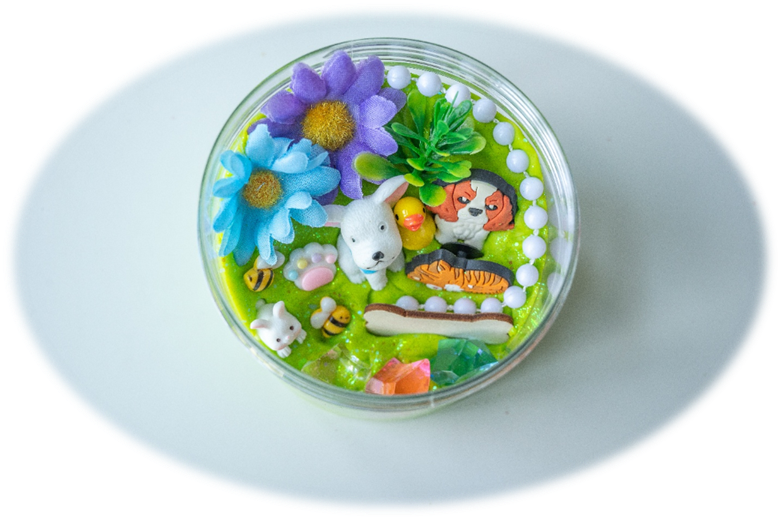
- Group playdough or slime kits: Children can play “pass the creation” and start with an object and pass it around so each child can add something to the creation.
- Group treasure hunt: Hide various objects in a big sensory bin and have children take turns digging for one treasure at a time. When they have found one, let the next child take their turn.
Product recommendations for sharing, turn-taking and social-emotional learning:
- Deluxe sensory bins have plenty of materials that make cooperative digging and passing tools around easy.
- Tactile playdough kits encourage turn-taking as kids add pieces and make a joint creation.
- Duplicate sensory bin tools make it easy to play together and share.
Communication Skills
When kids explore different textures and sensory materials together, they naturally talk about what they’re doing, ask questions, and share ideas with each other. This strengthens language skills and overall social development for kids. These essential sensory skills help kids connect with the words they use to communicate.
Activities that help build communication skills include:
- Describing different textures
- Narrating actions
- Asking for help
Products that help build communication skills:
- Textured play sets.
- Sensory storytelling kits.
- Loose-part accessories like wooden tools, gems, and resin.

Empathy and Perspective-Taking
Sensory play offers a pathway for children to understand others’ feelings, views, and needs. These are all core components for social-emotional learning. When children explore together, they become more aware of how their actions affect others around them. They can then respond with empathy, kindness, and consideration of someone else’s feelings during play.
Activities that encourage empathy and perspective-taking:
- Collaborative role-play. Create scenes with sensory materials where characters help each other fix a problem. Discuss.
- Observing peers’ reactions to textures or sounds.
- Emotion texture match. “Which texture feels calm? Which feels sad?”
Product recommendations for empathy and perspective-taking:
- Themed sensory bins that set the stage for role-playing and social-emotional learning and storytelling.
- Other role-playing sensory props
- Emotion-themed tactile toys
Conflict Resolution
With sensory play, children can practice working through disagreements in a healthy way. When children share space and materials, small conflicts naturally occur. These conflicts provide learning opportunities and help strengthen social emotion regulation and build lasting social skills for kids.
Activities that help with conflict resolution:
- Describing different textures.
- Narrating actions.
- Asking for help.
- Calming corner sensory break.
Product recommendations for conflict resolution:
- Textured play sets
- Sensory storytelling kits
- Sensory bins with shared tools that encourage communication in shared spaces.
- Fidget items that support social emotion regulation.
How Sensory Play Supports Emotional Skills
Sensory play supports emotional skills by giving children hands-on ways to manage their feelings, an essential part of social-emotional learning. As kids explore different textures, movement, and cause-and-effect during sensory play, they develop ways to help calm their emotions and build frustration tolerance. These moments of exploration deepen self-awareness and confidence, showing how sensory play benefits natural connections, motor skills and emotional growth at the same time. Children gain tools to soothe themselves and express their emotions in a healthy way.
Emotional expression allows kids to express excitement, frustration, and curiosity. Some emotional regulation tools include calming activities like squishy balls, weighted toys and textured stones. Successful group activities and collaborative play help build confidence, belonging, and self-esteem in children.
Products that support social-emotional learning:
- Sensory bins
- Weighted lap pads and blankets
- Calming sensory bottles
- Textured therapy putty
Age-Specific Sensory Play Ideas for Social Growth
Toddlers (1-3 Years)
Early childhood sensory development is important during the toddler years. Toddlers benefit most from side-by-side play. Early sharing helps develop social skills for kids and toddlers as well. Some activities you can do with your toddler include soft fabric play, shared finger paints, and double sensory bins. Some products we recommend for toddlers include toddler-safe sensory bins and plush tactile toys. When playing with sensory bins, make sure there are no small parts your child could accidentally choke on.
Preschoolers (3-5 Years)
For preschoolers ages 3-5 years, sensory play opens the door to rich collaboration and imaginative worlds where children learn to create, communicate and explore together. Try running a pretend kitchen filled with various sensory ingredients, or guiding dinosaurs through a muddy play pit with your preschooler.
Another great activity to try with your preschooler is building blanket forts together. They can become tents, caves, or even castles! Playdough kits invite children to shape storylines side by side, while muti-child sensory kits and interactive role-play sets encourage them to negotiate roles, combine ideas, and build worlds together through teamwork and collaboration. Preschoolers can practice working with others while expanding their own imagination at the same time.
School-Aged Kids (6+ Years)
For school-aged kids 6 + years, sensory play becomes a powerful tool for teamwork, problem-solving, and more advanced collaboration. It allows older children to tackle challenges together while strengthening their thinking skills. Activities like coding toys with tactile elements or DIY sensory art projects encourage kids to communicate ideas, divide tasks, and work together on a common goal. These are key social skills for kids that grow through hands-on engagement. Products such as advanced building sets, collaborative tactile puzzles, and sensory fidget kits provide opportunities to develop these sensory skills.
Adapting Sensory Play for Neurodiverse Children
Sensory play can be adapted for all children, ensuring that every child has the opportunity to build social skills and engage in meaningful social-emotional learning. For neurodiverse children such as those with autism or sensory processing disorders, adjusting the materials, pacing, and group sizes allows them to participate comfortably and confidently.
Try offering softer textures or quieter tools. Offer individual sensory bins to help children feel safe and focused and smaller groups or one-on-one guidance for children who become overwhelmed easily. Adapted sensory activities can provide calming sensory experiences, and create natural opportunities for communication, turn-taking, and collaboration. By tailoring sensory play to each child’s needs, caregivers and educators can support emotional growth, confidence, and help develop social skills for kids. Sensory play can be a powerful tool for inclusive social-emotional learning.
Creating a Sensory Environment for Social Success
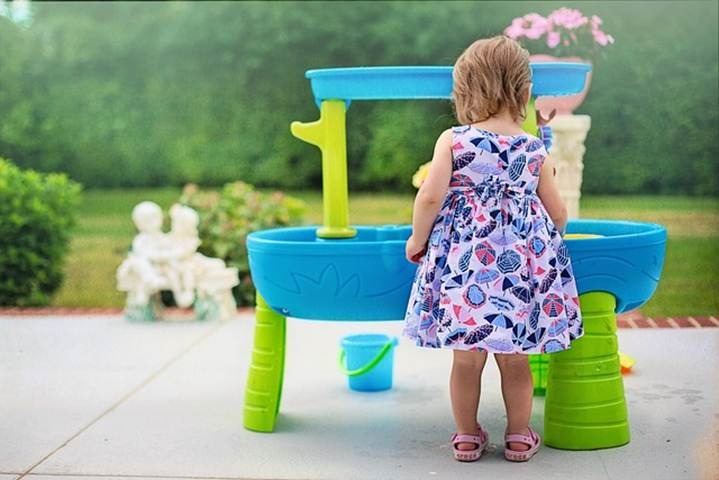
A well-designed sensory environment supports collaboration, imagination, and the development of social skills for kids while strengthening coordination. Both indoor and outdoor setups such as sensory tables, playdough stations, sandboxes, or water tables encourage group play and independent exploration.
Safety is essential. Choose non-toxic, age-appropriate materials and supervise activities involving small parts. A home sensory kit can include bins, sand, water beads, playdough, and other tactile sensory materials that give children the opportunity to explore different textures, share tools, and practice fine and gross motor skills, all benefits of sensory play. Sensory-N-Stuff’s themed sensory bins, tools, loose parts, and tactile playdough kits make it easy to create spaces where children can enjoy the sensory play benefits natural connections and motor skills while building meaningful social connections with friends, peers, and siblings.
Observing Social Growth Through Sensory Play
Sensory play is a natural way to observe and support social development for kids. Look for signs like children sharing materials, initiating play with peers, using words instead of actions to express needs or feelings, and demonstrating empathy during group activities. Tracking these milestones can be made simple with a sensory journal or checklist. Caregivers and educators take notes of progress, favorite activities, and emerging behaviors. By reflecting on these moments, adults can help better understand how social skills for kids are developing and use insights to tailor future sensory experiences that continue to grow collaboration, communication, and social emotion regulation skills.
Intentional Sensory Play for Lifelong Social Skills
Through sensory experiences, children build cooperation, empathy, and communication. These are all core social skills for kids that strengthen confidence and connection. By weaving hands-on exploration into daily routines, parents and educators can nurture the sensory skills children need to thrive while experiencing the many benefits of sensory play. Sensory-N-Stuff products make it easy to bring these meaningful moments to life, offering ready-to-use bins, tools, and playdough kits that support social growth in fun and engaging ways. So go ahead and embrace the hands-on, messy, wonderfully creative world of sensory play and watch your child’s social growth blossom.
CHECK OUR SENSORY READY


