
Blog
What are Sensory Bins For?

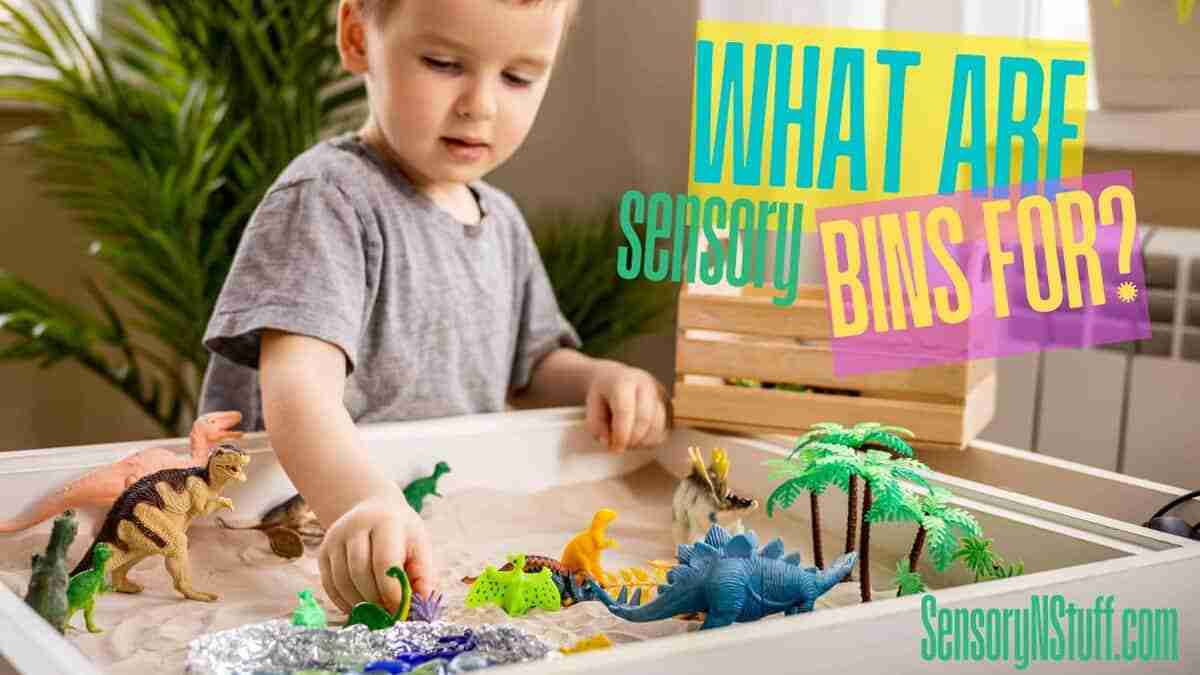
Perhaps you have heard the words “sensory bin” mentioned before, but you’re not quite sure what exactly a sensory bin is. Put simply, a sensory bin is a container filled with materials designed to engage the senses. These fun bins are growing in popularity with parents, educators, and therapists.
In this post, we’re going to discuss what sensory bins are for, how children benefit from them, and unique ideas for you to try at home.
What Are Sensory Bins For?
With sensory bins, children open a whole new world with sensory exploration.
The purpose behind sensory bins is for children to explore different textures and to provide imaginative engagement for children. The bins can also used as a relaxing, calming play experience. Children can create, explore, interact and invent new adventures, making each sensory experience unique. Sensory bins help children learn through hands-on experiences!
What Age Are Sensory Bins Good For?
A question that always comes up is what age are sensory bins good for? A variety of different age groups benefit, from babies (with safe materials) to preschoolers. Let’s break it down into the different developmental stages.
- Babies (safe materials)
- Toddlers
- Preschoolers
- Early Elementary
Even at a young age, sensory bins can spark creativity in babies as they interact with the materials given. Make sure to use baby-friendly materials such as soft fabrics and edible fillers to ensure safety.
What are sensory bins for toddlers? Toddlers love to engage their senses, especially through touch. By exploring and experimenting with different sensory materials, they can process different sensory information. This provides unique experiences for them. Sensory play in toddlers can be very soothing.
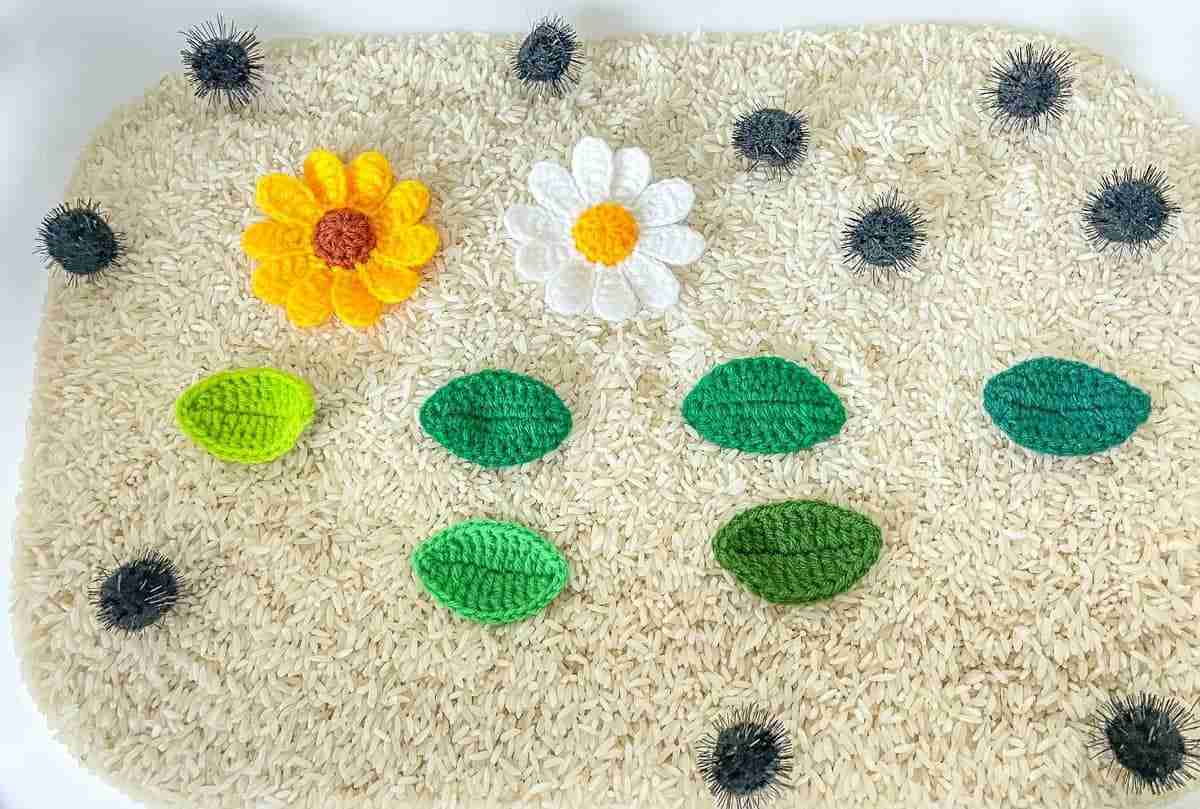
Preschoolers use sensory bins to develop fine motor skills, create stories and boost imaginative play. This is the stage where they start sorting, counting and problem-solving. Like toddlers, they find sensory play to be a calming experience, and it helps to manage their emotions.
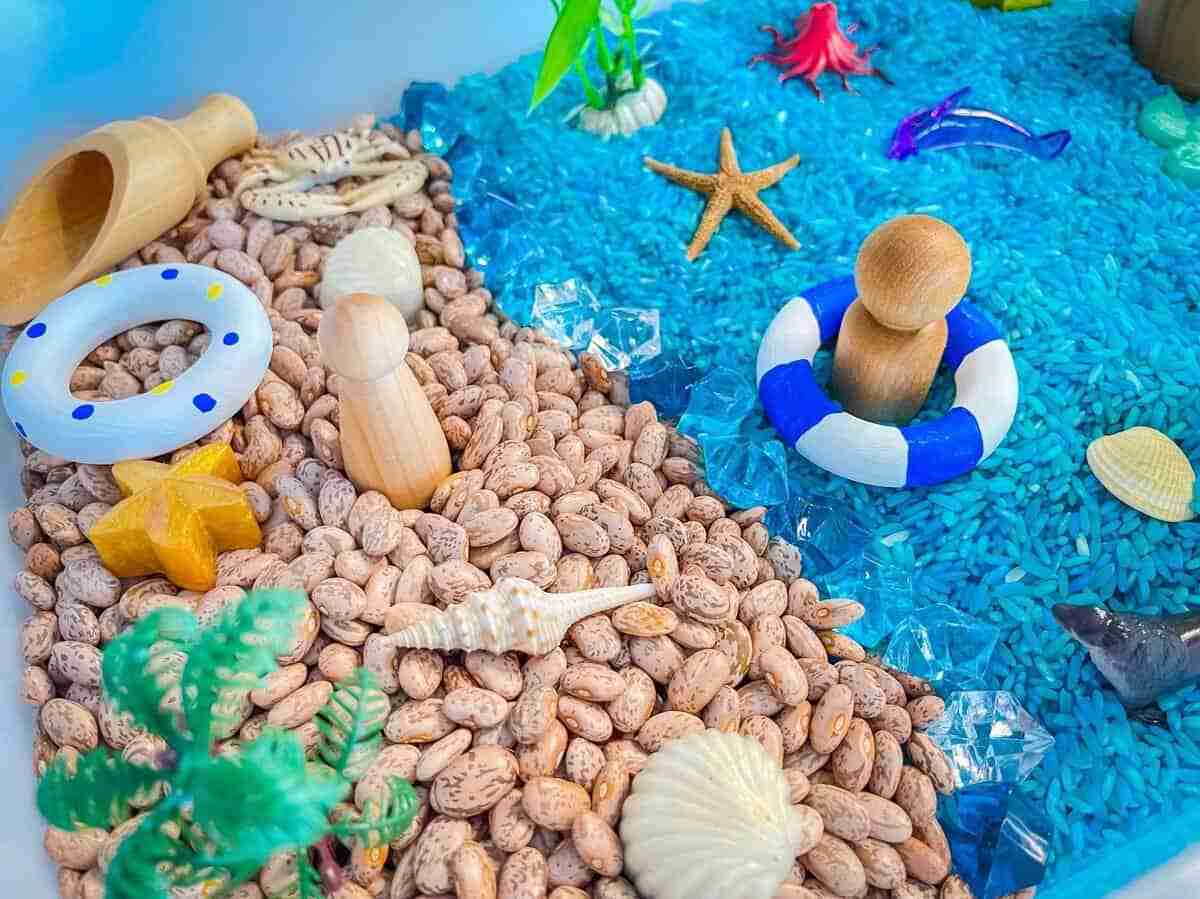
Early elementary school children also benefit from sensory play mainly in the same way preschoolers do but on an advanced level. Older children tend to love themed-sensory play like a “beach-themed” sensory bin for summer play.
Benefits of Sensory Bins
There’s several more benefits of sensory bins including:
- Cognitive development
- Fine motor skills
- Gross motor skills
- Language development
- Social skills
- Emotional regulation
- Imaginative play
Counting, sorting objects by color or size, experimenting with concepts like volume in measuring cups, and problem-solving are all cognitive developmental skills learned when playing with sensory bins. Fine motor skills are developed through grasping, pinching, and manipulating sensory tools. Through active play and by incorporating larger movements such as reaching and bending, your child is developing gross motor skills as well.
Language and social skills are acquired through themed play. Imaginative play bins such as dinosaurs or gardening bins help children create stories and work through different scenarios. Sensory activities provide a calming effect and can help with emotional regulation.
Sensory Bins for Children with Autism
As you talked about briefly above, sensory activities can provide a calming effect for both toddlers and young children. Sensory play helps reduce stress and anxiety by providing a relaxing, soothing way to relieve tension.
They are a perfect way to support development in autistic children. Here are a few of the benefits of sensory bins for children with autism:
- Sensory regulation
- Appropriate behavioral modeling
- Cognitive development
- Social skills
- Language development
- Emotional well-being
Autistic children can explore different textures, materials, etc. to help regulate sensory input. They can do so in a controlled environment to reduce sensory overload. Sensory bins are a fabulous social learning tool. They encourage interaction and communication when working cooperatively with other children or siblings. Appropriate play behaviors can be learned as children pick up on imitation skills.
Imaginative play sparks creativity, constructs stories, and diverse learning experiences, which in turn is critical for language development. By providing a variety of different themed bins such as math and science sensory bins, you are also fostering critical thinking skills.
What toys are required for sensory bin for autistic children? Good question! Sensory toys that are beneficial for children with autism include different textured toys and toys that support developmental goals. Here are a few we suggest:
- Water beads
- Sand or playdough
- Squishy balls
- Stretchy materials
- Textured blocks
- Small, colorful objects that encourage sorting, counting, and pattern recognition
- Themed toys (ocean, garden, dinosaurs, etc.)
- Light-up toys
- Smooth stones, shells, or other natural materials
As with all children, be mindful of choking hazards and always supervise your child as they play with their sensory bins.
Ideas to Try at Home
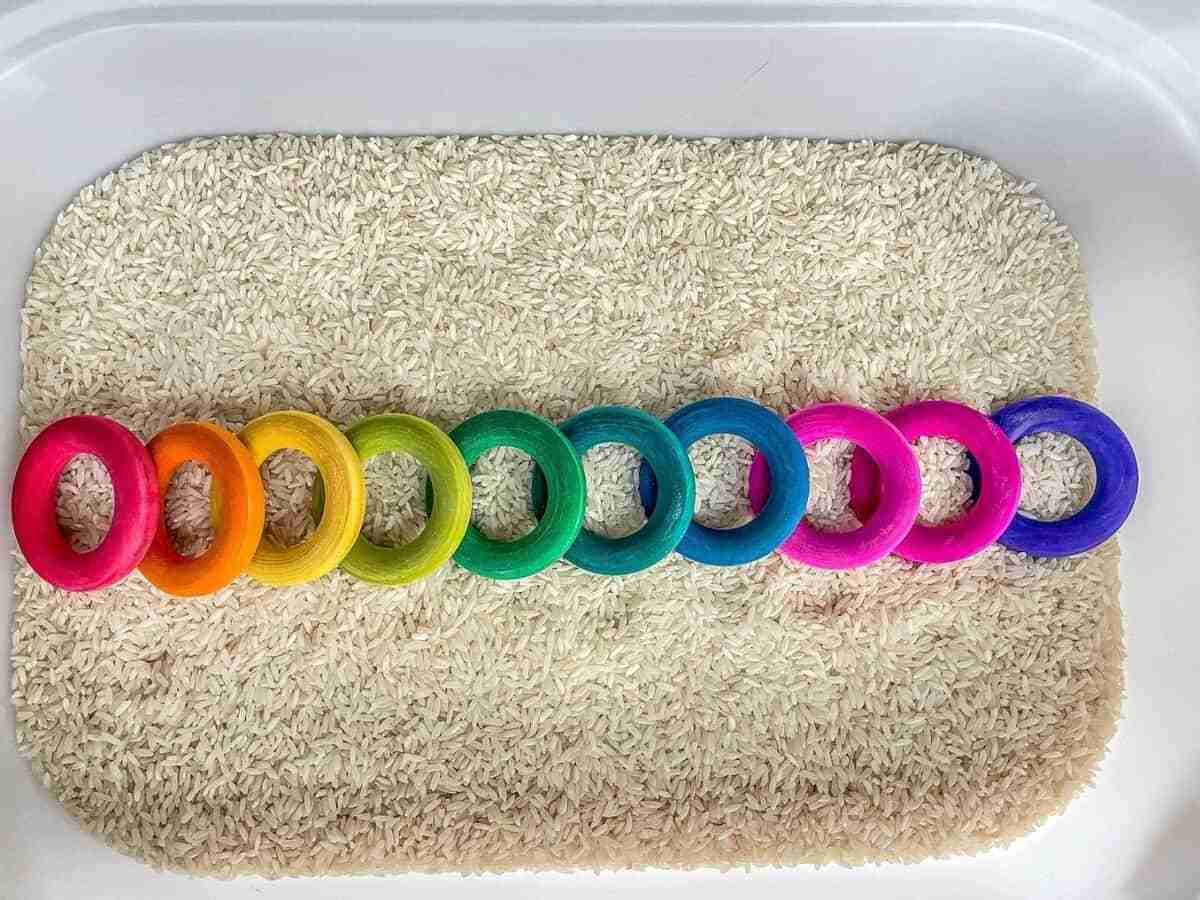
There are a lot of ways to use sensory bins and several different ideas for you to try at home with your kids! Seasonal themed bins offer a way to explore the changing of the seasons and bring joy to the holidays. Fill a container with outdoor objects like sand, pebbles, and leaves for nature exploration. Take your children on a “treasure hunt” or “alphabet hunt” by burying small objects in the sand or rice. Set up a water table outside on a hot, summer day.
Need more inspiration? Meg’s Cozy Cottage shares 10 DIY sensory activities and toys to entertain your toddler in this YouTube video here.
Some creative sensory bin themes you could put together include beach, garden, artic, dinosaur, and different color sorting themes. Sensory- N- Stuff offers several different bins and supplies that are affordable, easy to use, and make clean-up a breeze.
- Classical sensory bins
- Seasonal themed
- Holiday themed
- Educational sensory bins
- Sensory bin fillers
- Sensory tool sets
- Resin loose parts
- Wooden accessories
- Playdough kits
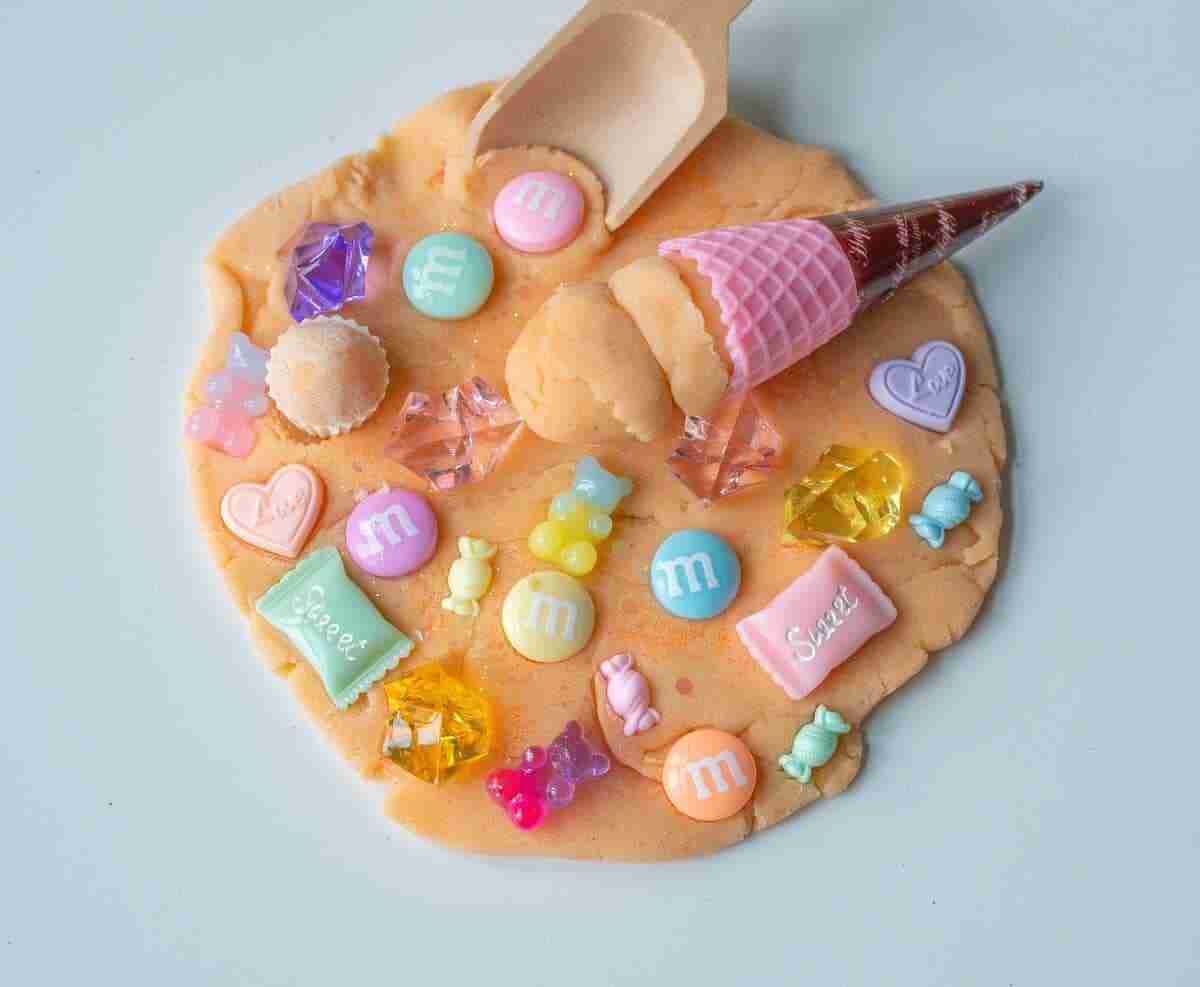
Sensory bins are useful at home, in the classroom, or during therapy because they provide the essential tools needed to engage the senses and promote fine and gross motor skill development, social and language development, cognitive growth, and provide emotional regulation. They open up a world of exploration for your child. Take your child on a sensory play adventure today! Browse and shop Sensory-N-Stuff’s sensory bin collection here.