Blog
What Does Montessori Say About Sensory Play?

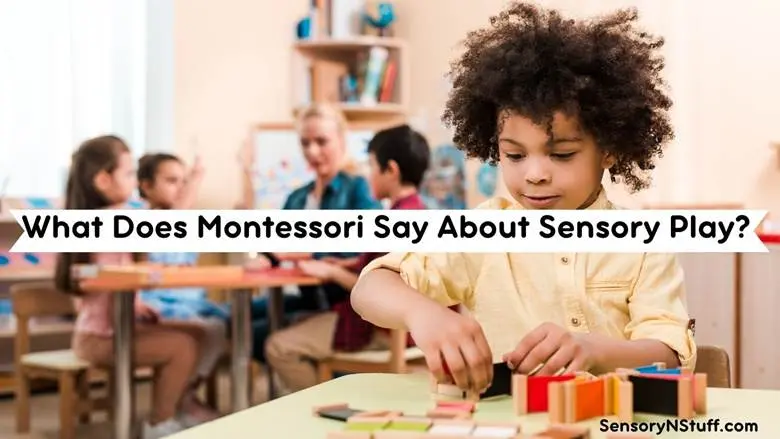
The Montessori approach is an idea that emphasizes independence and values hands-on, child-led learning. Parents and educators often ask the question “what is Montessori learning?” The answer is any activity that engages a child’s senses and encourages independent exploration.
Young children naturally explore the world around them by observing and interacting with their environment, which is a vital part of early development. This raises an important question: how does Montessori view sensory play? In this post we’ll explain the theory, explore the benefits, and ways to apply them at home or in the classroom.
Montessori Philosophy: Play is the Work of Childhood
Maria Montessori had a famous idea that stated play is the work of childhood. This idea captured her belief that children learn best through hands-on activities rather than instruction. According to the Montessori philosophy, play is never just fun; Montessori play is designed to be purposeful and meaningful and support real-world skills. Through a variety of sensory-rich activities, children can learn confidence, coordination, concentration, and explore problem-solving while exploring their world. Montessori play turns everyday learning into learning that feels fun.
The Montessori Approach to Learning Through Senses
The Montessori theory places emphasis on learning through the senses, recognizing children learn from exploring and actively engaging in the world around them. This approach supports cognitive, emotional, and motor development through sensory exploration. The Montessori theory on play views play as a purposeful activity that helps children build and refine skills, create independence, and strengthen concentration.
Some key aspects of the Montessori approach to learning through senses include:
- Tactile experiences- When children explore different textures and materials, they are strengthening fine motor skills and building sensory awareness.
- Visual exploration- Visual activities support pattern recognition and early math and reading skills.
- Auditory development- Listening activities and sound recognition can help build focus and communication skills.
- Practical life experiences- Everyday tasks such as dressing, cleaning, and pouring activities foster independence and coordination.
Benefits of Sensory Play in Montessori Learning
Sensory activities are a core part of Montessori and play, offering meaningful experiences that support childhood development. These engaging activities highlight the many benefits of Montessori, helping children build skills through Montessori play.
Here are a few key benefits of Montessori learning:
- Supports fine motor skills and coordination
- Encourages concentration and focus
- Fosters independence and problem-solving
- Enhances creativity and imagination
Practical Ways to Incorporate Montessori-Style Sensory Play
Incorporating sensory activities into your everyday routine is a simple way to bring Montessori play into everyday life. The Montessori approach encourages children to explore freely while still benefiting from gentle guidance and instruction.
Here are some practical ways to incorporate Montessori-style sensory play into everyday life:
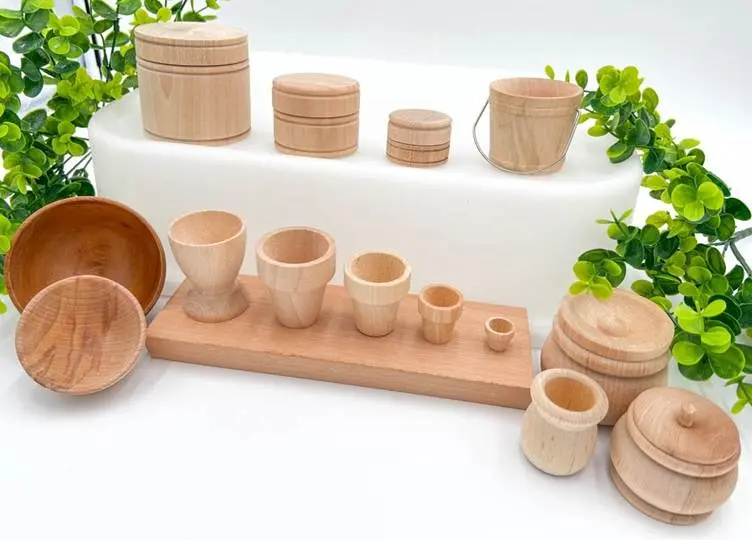
- Use hands-on materials- Offer items such as dough, water, sand, and textured objects to encourage exploration.
- Create structured activities- Set up simple tasks that invite children to participate but still allow them to lead at their own pace.
- Rotate tools and materials- Regularly rotating out tools and materials can keep things interesting, support new challenges, and keep children engaged over time.
Montessori Play at Home or in the Classroom
Bringing Montessori play into the home or classroom allows kids to explore their environment, learn, and grow at their own pace. The Montessori approach encourages independence while still providing thoughtful guidance.
Tips for parents:
- Create low-stress, prepared spaces for children to explore freely.
- Keep the space and setup simple, organized, and inviting.
- Make sure materials are within reach and accessible to children.
Tips for educators:
- Create simple, prepared spaces for children to explore and learn.
- Offer gentle guidance, while allowing children the freedom to make choices on their own.
- Allow children to work at their own pace.
- Let them learn through exploration and discovery.
There are several different Montessori inspired sensory activities out there from water pouring stations to dressing setups. Here are a few of our favorites.
Montessori-inspired sensory activities:
- Sensory bins
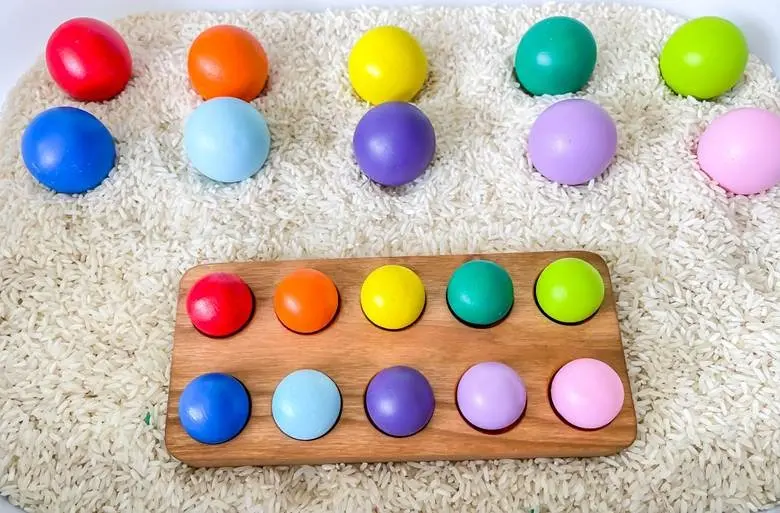
- Scooping and transferring with rice or beans
- Sorting textured objects
- Washing dishes (real or toy dishes)
- Polishing objects
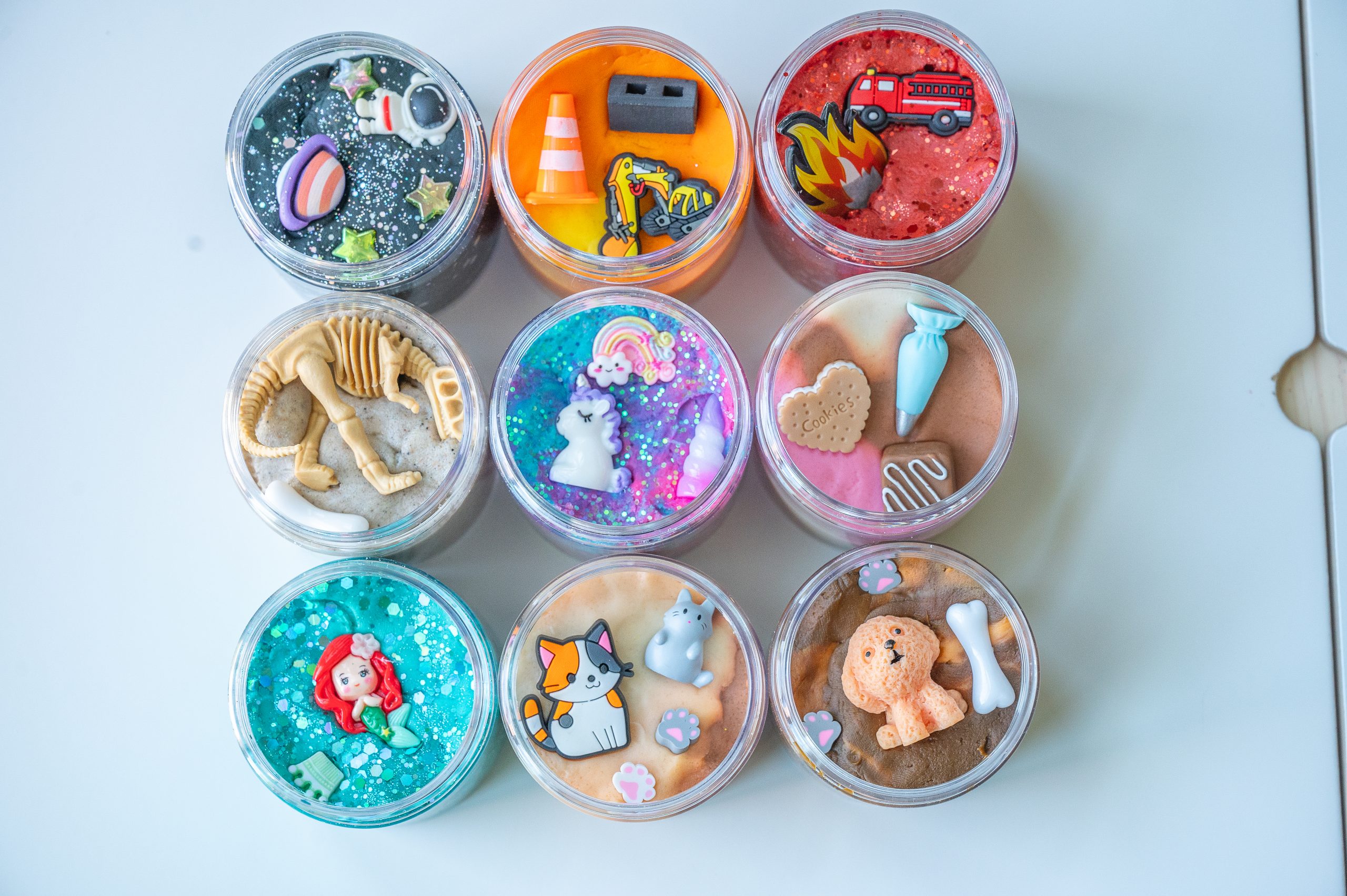
- Playing with playdough
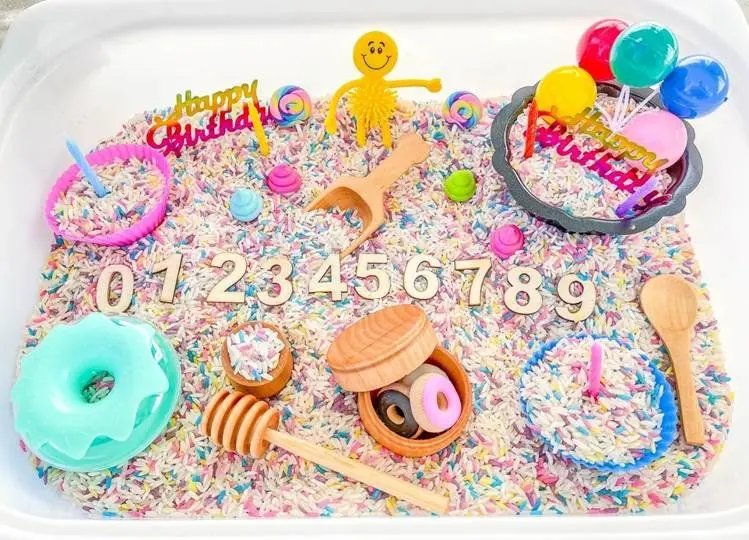
Looking for more activities? The Montessori Site shares 45 plus Montessori sensorial activities and materials in this article has great ideas. The Montessori theory sees sensory play as a critical part of childhood development; it supports cognitive growth, emotional regulation, and motor skills through hands-on, purposeful play. Rather than viewing play separately than learning, the Montessori approach embraces play as something meaningful that helps children make sense of the world around them. Through Montessori play, children engage their senses, build independence, and develop essential life skills in a fun and natural way. By intentionally providing hands-on, sensory-rich activities, parents and educators can truly support learning and growth.
CHECK OUR SENSORY FUN