
Blog
What are the Benefits of Playing with Playdough?

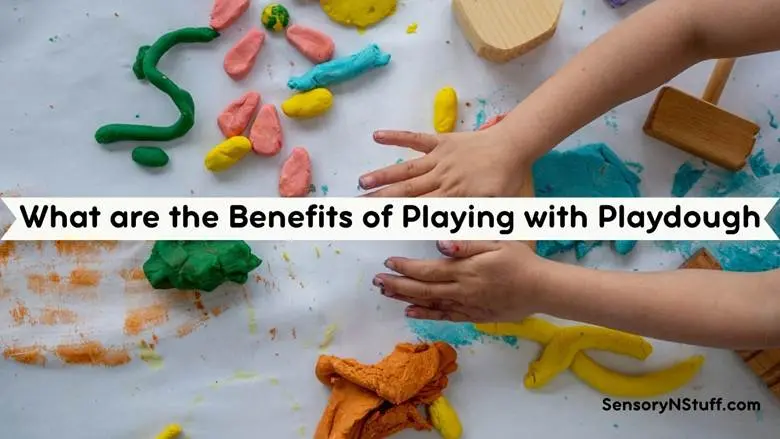
Playdough kits might seem like just a simple activity; however, it’s much more than a fun way to pass the time. When kids play with playdough, they get to explore creatively and build important developmental skills. Children learn through hands-on play while rolling and squishing the dough. In this post, we’ll explore the many benefits of playdough, including how it helps develop fine motor skills, supports sensory play, encourages preschool learning, and simple ways to make playdough at home.
A Brief History of Playdough
What is playdough really? It’s a soft, moldable material that encourages imagination, strengthens hand muscles, and supports early learning. You might be surprised to hear that it wasn’t originally created as a children’s toy though.
So, what was playdough originally used for then? It was originally used as a wallpaper cleaner to remove soot and dirt from the walls of homes that were heated by coal in the early 1900’s. As time went on, home heating methods changed, and the demand for wallpaper cleaner quickly declined.
Parents and teachers soon discovered that the dough was perfect for children to squish and mold during playtime. It was eventually rebranded and sold as Play-Doh, becoming a popular household and classroom tool for hands-on learning and creativity.
Educational programs and initiatives such as the Learning Dough Initiative have promoted playdough as a way to support fine motor development, creative thinking, and sensory exploration. This shows that this simple dough can play a big role in how young children learn.
Developmental Benefits of Playing With Playdough
Playing with playdough offers several benefits for young children. As children knead, roll, and pinch the dough, they are strengthening their muscles in their hands and fingers. These actions support playing with playdough fine motor skills development by building the hand and finger control needed for tasks such as writing and dressing themselves.
More benefits of playing with playdough
- Hand-eye coordination and grip development- essential for holding pencils, crayons, and more.
- Creativity, imagination, and open-ended play.
- Social, cooperative, and teamwork skills when playing in groups.
Playdough for Preschoolers: Why Early Play Matters
Playdough for preschoolers is more than just a fun activity; it helps build important skills kids need as they prepare for school activities. When kids play with playdough, they practice movements that support early learning like writing, drawing, and using scissors to cut shapes, etc. Playdough can encourage young children to think about what they want to create and help them develop problem solving and planning skills as they build different creations.
As preschoolers play with playdough, they are experiencing different textures and shapes. They are also building language and social skills as they talk about what they made with their peers. This type of open-ended play allows them to communicate and experiment with different ideas, making playdough for preschoolers a very important tool for early learning.

Homemade vs. Store-Bought Playdough
Both homemade and store-bought playdough are wonderful choices and offer great learning experiences for children. Making homemade playdough can be a fun activity on its own by allowing children to mix the ingredients and choose their favorite colors or scents to go with it. Homemade playdough can be a wonderful option for families that prefer safe and familiar ingredients, and the ability to customize the dough. It also offers a deeper layer of sensory engagement for young children.
On the other hand, store-bought playdough may be preferred for its convenience and durability. It’s typically designed to last longer, maintain consistency, and comes in a wide variety of colors. For busy parents and educators, store-bought playdough is a time-saver while still providing the same learning opportunities.

How to Maximize Playdough Benefits
There are many simple ways to help young children get the most developmental value when they play with playdough. Structured but playful activities can strengthen motor skills, encourage creativity, and support sensory exploration while still allowing the freedom of imagination play and exploration.
Activities to maximize playdough benefits
- Rolling and shaping for fine motor development: Kids can roll playdough into balls or flat shapes which can strengthen the hand and finger muscles.
- Using molds and cutters for creativity and coordination: Add variety by offering simple tools to help with hand-eye coordination like cookie cutters, molds, and rolling pins.
- Mixing colors and textures for sensory exploration: Kids can experiment with different colors and add materials like beads or small erasers to the dough, which encourages curiosity and sensory discovery.
- Group play ideas for social development: Children can work together in pairs to build different playdough scenes. Collaborative play encourages sharing, communication, and teamwork.

Tips for Parents and Educators
Setting up the right space can help kids get the most learning and enjoyment when they play with playdough. With a few simple strategies, parents and educators can keep the activity safe and beneficial for their development.
Helpful tips and strategies
- Set up a simple play area: Children need a simple space where they can play with playdough. This can be at the kitchen table or a little corner with a small table set-up with a clean surface, tray, or mat. All materials should be easily accessible and within reach.
- Keep playdough fresh and safe: To keep playdough safe and from drying out, store it in airtight containers or Ziplock bags. Inspect the playdough regularly to make sure it’s still good, especially if the playdough is used in a shared environment.
- Rotate tools and activities to keep engagement high: Introduce new materials and tools to keep the children interested. Rotating materials helps keep things fresh and exciting.
Playdough is More Than Just Fun
As you can see, playdough is more than just a simple activity and a way to pass time. It offers so much more for young children from strengthening fine motor skills to building hand-eye coordination and developing the finger strength needed for daily tasks at home and in school. Molding and shaping playdough encourages creativity and imagination, while supporting sensory exploration and early learning.By providing regular opportunities to play with playdough, you can support many areas of development. Whether it’s homemade playdough or store-bought, it remains a simple, yet powerful tool to help children grow, learn, and develop.
