
Blog
How to Create a Sensory Corner at Home

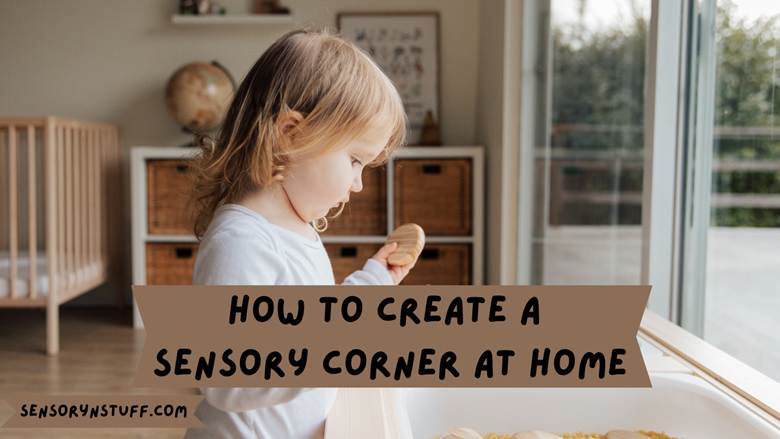
If you’ve been reading our blogs and following along, by now you’re familiar with sensory bins and all their components. Every sensory bin needs an area to hang out. Maybe you’ve thought about adding a sensory corner or a calming corner to your home, or perhaps you have no idea what that is.
A sensory corner is a sensory play area or corner that helps kids decompress and manage big feelings. It doesn’t need to be expensive, just thoughtful. In this post, we are going to cover everything you need to know about creating the perfect sensory corner.
Pick the Perfect Spot
When thinking about creating a sensory nook, the first thing you need to do is pick the perfect spot. This could be anywhere in the house: a corner of the living room, a bedroom alcove, or even a closet. You could turn just about any small space into a sensory nook or corner.
Creating a sensory corner in a small area of your home can be both relaxing and stimulating, depending on the purpose. A quiet spot can help kids calm down, especially during sensory overload. As mentioned above, it doesn’t need to be expensive, just well-planned out.
Start with a Soft Base
The next thing you should do when creating your sensory corner is start with a soft base. A soft place to relax is inviting and helps create a cozy vibe. Kids with autism will benefit from having an autistic crash pad, such as a big bean bag or foam tiles for comfort and safety.
Here are a few reasons why sensory furniture for kids helps to create cozy vibes.
- Sensory furniture promotes comfort and safety.
- Helps to create a calming mood and environment.
- The softness of the furniture can conform to the body and amplify the cozy feel.
- Cozy sensory furniture can help regulate emotions by providing deep pressure and grounding input.
Add Sensory Bins for Calming Fun
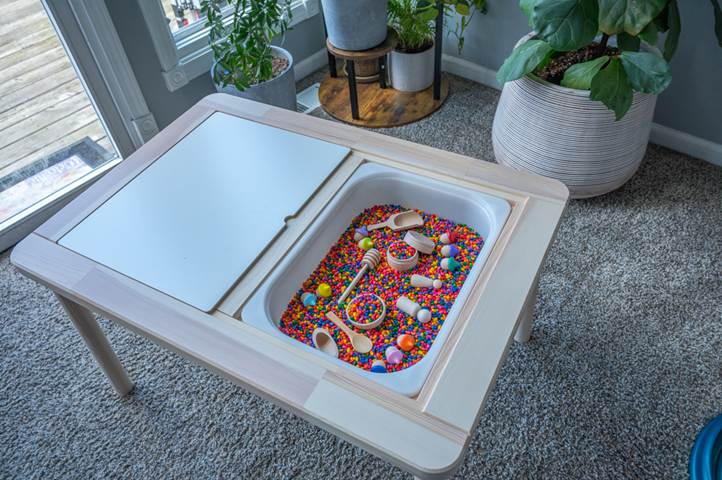
Next, we will want to add sensory bins for calming fun. Adding sensory bins to your sensory nook encourages quiet focus or playful exploration, depending on your child’s needs. Adding one of our sensory bins from Sensory-N-Stuff makes it easy to offer calming textures and themes to your sensory playroom.
To keep your sensory corner fun and fresh with a playroom vibe, we suggest rotating sensory bins out regularly or simply refreshing them. By swapping out just a few elements, you can breathe new life into your sensory bin. Here are some ideas for rotating sensory bins and refreshing them:
· Add new bin fillers.
· Change the themed objects or small toys, or tools that complement the bin.
· Add new colors or sensory tools.
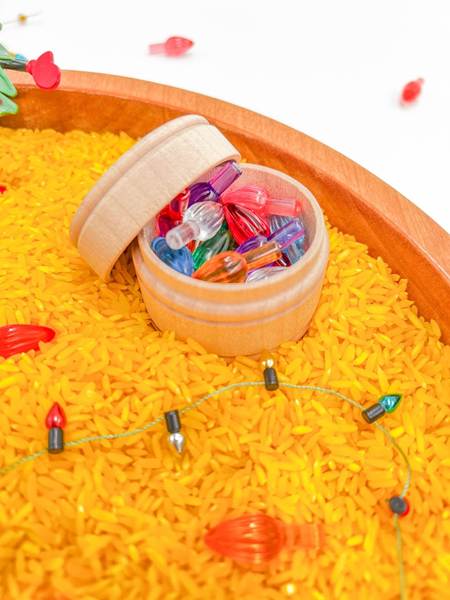
· Incorporate a seasonal element into your sensory bin.
These minor changes can keep your child interested and engaged for a longer period without having to buy totally new sensory bins. Check out our blog for more ideas on sensory bin rotation and an in-depth sensory bin rotation schedule.
Affordable Sensory Toys and Tools
Adding affordable sensory toys to your sensory corner is a fantastic way to make the space more entertaining. Here are a few examples of some inexpensive sensory toys you could add to your sensory play area. You could even make a few of these at home!
- Small fidgets
- Stress/squishy balls
- Textured fabric squares
- Scented play dough
- Tactile balls
- Chewable necklaces or other chewable jewelry

Light, Sound and Visual Sensory Space Ideas
Another fun thing to add to your sensory space is lights, sound, and other visual enhancements. These audio-visual elements add another layer of tranquility to your space. It also creates a stimulating environment which supports sensory development, emotional regulation and more.
Lights can stimulate the visual senses, encourage focus, and have a calming or upbeat effect, depending on your child’s needs. Sounds support auditory development, stimulation, or relaxation, also depending on your child’s needs. Combining these two elements creates visual as well as auditory stimulation, forming an immersive effect.
Audio-visual Sensory Space Ideas:
- Sound/white noise machines
- Rainmakers or small music shakers
- Gentle music playlists
- Lava lamps
- Bubble tubes
- Soft fairy lights
- Visual toys like glitter jars
Make it Personal
Of course, every child is different and has unique needs. You will want to personalize your new sensory lounge based on your child’s likes and dislikes. Let your child help design the space, so they can turn it into their sensory lounge. If you let your child lead, they are more likely to get excited and spend more time in their newly designed sensory nook.
Does your child have a favorite item? Consider adding their favorite calming items, such as a book or a plushie, to the lounge. You can even add a weighted blanket to their sensory play space.
Keep It Flexible and Fun
Creating an area that remains flexible and fun requires balance, organization, and creativity. Keep your newly designed sensory playroom interesting by rotating sensory bins and toys out on a regular basis. By adding seasonal bins or themed sensory bins to your space, you can keep the sensory play area always feeling new and fresh.
Follow your child’s lead and see what excites them and then adapt your sensory play area accordingly. Offer a variety of sensory inputs, including tactile, visual, and auditory sensory materials. Let your child make new materials using natural items or DIY materials.
Building a sensory corner can be a lot of fun! Creating a calming corner where children can de-stress and manage their feelings does not have to cost a lot to build, either. If you have a small area in your house, you can add a soft base and slowly start to add in the sensory elements we talked about above.
Check out Sensory-N-Stuff’s sensory bins and affordable toys to start building your calming corner today. Ready to build your own sensory corner? Explore our collection of sensory bins and tools on our website now!