
Blog
What are the Rules for Sensory Bins?

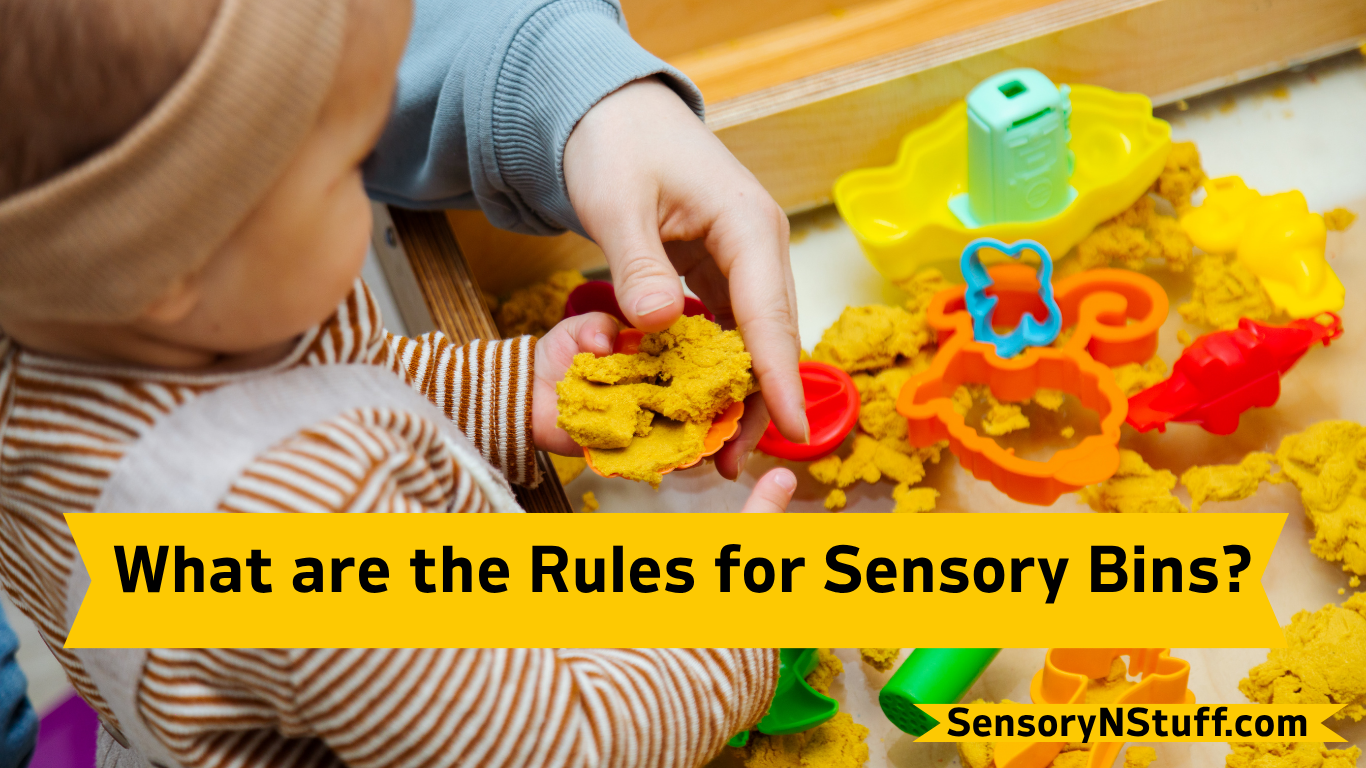
Sensory bins are supposed to be fun, right? They are meant to be free-flowing and filled with exploration, so why introduce rules? The thing is, rules don’t always have to be strict. Rules are more about keeping play safe, engaging, and stress-free. We can create a balance by guiding children to explore safely, while still letting them take the lead in their own exploration.
In this blog, we’ll discuss some sensory bin rules and lay out a beginner’s guide to sensory play to ensure safe play for all.
Rule #1: Safety First, Always
Safety is the foundation for effective sensory play. It ensures that kids can explore freely and confidently without any unnecessary risks involved. Supervision is non-negotiable. Young children, especially babies and toddlers, naturally explore with their mouth by “mouthing” objects.
Many small parts can be found in sensory bins, so it’s critical to choose bin materials carefully. Select an easy clean up sensory bin with no choking hazards or allergens. Always supervise your child closely while using a sensory bin so that they don’t choke on something as they’re exploring.
In addition, using food-grade or toddler-safe fillers is ideal. You can check out our recent blog post entitled, “Why It’s Important to Have Food-Grade Sensory Bins” to learn more about the importance of using food-grade materials.
Rule #2: Keep It Age-Appropriate
It’s important to match bin contents to your child’s age and stage. Remember, what works for a preschooler might not work for a toddler. With toddlers, you want to simplify sensory materials, and with preschoolers, you’ll want to expand on the materials. Let’s break it up into stages. Here’s a quick age-appropriate guide to sensory bins for babies, toddlers, and preschoolers.
| Babies | Toddlers | Preschoolers |
|---|---|---|
| Soft textures, gentle sounds. | Simple materials, more interactive. | Start expanding on materials. |
| Edible fillers safe for mouthing. | Food-grade or toddler-safe fillers. | Food-grade fillers are ideal. |
| No small objects. | No choking hazards or allergens. | No choking hazards or allergens. |
| Always supervise closely. | Always supervise closely. | Always supervise closely. |
Rule #3: Set Clear Boundaries, But Let Them Lead the Play
Necessary rules for sensory bins include setting clear boundaries. Keeping bins in a designated space is important. By putting them on a mat, tray, towel, etc. it will save you time having to clean up a big mess afterwards. Easy clean up sensory bins are very convenient.
Before sensory play begins, set a few simple, sensory box rules:
- Set clear expectations.
- Give them choices but let them lead.
- Instead of restricting, redirect.
- Encourage problem solving, creative thinking, and reflection.
Let your kids explore, scoop, pour, and dig to their heart’s content, but encourage them to clean up afterward. This helps establish clear boundaries for them. Gently remind them that all materials stay in the bin.
When children know their boundaries, but still have control over their choices, sensory play becomes a pleasant space for learning, creating, and self-expression. Developing sensory box rules creates a safe space where children can thrive.
Rule #4: Rotate and Refresh to Keep Things Engaging
Changing out fillers and tools every so often helps avoid boredom. Children don’t want to use the same materials repeatedly. Here are a few examples on how to keep things refreshed and engaging for kids:
1. Week one: rice with scoops
2. Week two: beans with spoons
3. Week three: play dough
4. Week four: chickpeas with mini bowls

This blog go-to sensory bin guide for the best practices for keeping sensory play fresh and engaging for kids. It also has a recommended rotation schedule on how often you should be changing fillers and switching materials out.
You can also learn how to make your own sensory bin fillers at home.
Rule #5: Know the Why. It’s Not Just a Messy Activity
Sensory play isn’t just a messy activity. There’s a solid reason for it. Sensory play has many developmental benefits for children of all ages. Sensory bins offer a way to improve problem-solving, language, and math skills and can even improve focus and attention in children. It also helps with self-regulation, especially in kids with special needs.
Sensory play helps support language development, encourages scientific thinking and helps children understand cause and effect. They are a great way to improve fine and gross motor development. As your child scoops, digs and uses the tongs to pinch, grasp, and manipulate the various items in your sensory bin, he or she is using the small muscles in their hands and developing critical fine motor skills.
Looking for sensory bins, bin fillers, etc.? If so, check out our wide selection of options at Sensory-N-Stuff for educational fun!
For a more in-depth explanation of all the benefits of sensory bins, you can read our recent blog here.

I hope you enjoyed our beginners’ guide to sensory play and were able to take away a few key things from it. Remember, rules aren’t just about control. They’re about making a space for safe, creative, and beneficial play for children. Sensory play can be both fun and safe if you keep this sensory guide in mind!
It’s also important to remember that you can adjust the “rules” based on your child. Keeping this in mind, I encourage you to try a bin this week and modify these sensory bin rules to fit your child’s needs. Looking for some pre-filled, food safe bins? Sensory ‘N’ Stuff has you covered! Check out our selection of sensory bin kits on our website.