
Blog
The History of Sensory Play: Where Did Sensory Bins Come From?

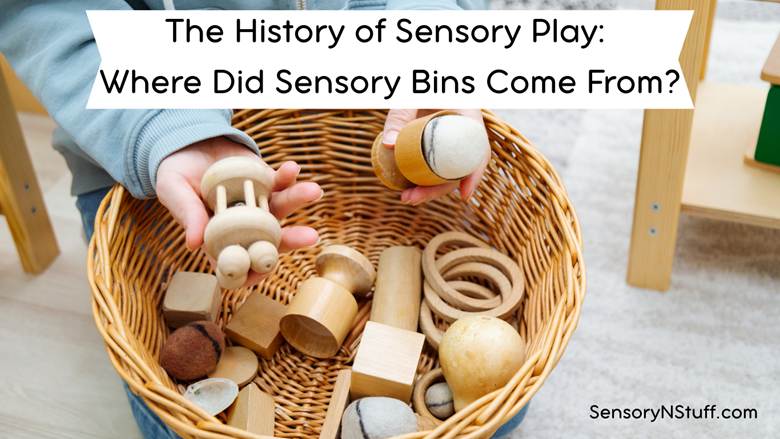
Ever wonder where the idea of a sensory bin actually started? Sensory play has been around for a long time, but it has become more structured through educational approaches, such as the Montessori method. In this blog, we’ll explore the history, Montessori roots, and why sensory bins remain so popular today.
What Is Sensory Play?
Exactly what is sensory play? In simplest terms, these are activities that engage the senses- touch, sight, sound, smell, taste, and movement. The benefits of sensory play go beyond just simple fun. In fact, sensory play has a huge role in childhood development. Through sensory play, children can strengthen their fine motor skills, develop creative thinking and problem-solving skills, and experience both emotional regulation and calming benefits.
Many of these activities can be set up both indoors and outdoors, depending on the situation and environment. Indoor sensory play makes it easy for children to get hands-on experiences both at home and in the classroom. Sensory bins are a great practical tool children can use for hands-on learning and engaging sensory play.
Montessori’s Influence on Sensory Play
Dr. Maria Montessori was an Italian physician and educator, and a pioneer in childhood development during the early 1900s. She was the founder of the Montessori method, which emphasized independence, discovery, and exploration. She believed that children learn best through hands-on, self-directed experiences that engage the senses.
Montessori sensory materials are carefully designed to engage the senses and promote independent play. A list of sensorial materials in Montessori often includes items that focus on a single sense, allowing kids to focus on one aspect of the five senses at a time. Some common examples of Montessori sensorial materials include:
- Knobbed cylinders
- Sandpaper letters
- Wooden alphabet
- Sound boxes and sound cylinders
- Color tablets
- Texture boxes
- Smelling bottles
- Baric tablets (weight differentiation)
- Pink tower
- Pouring and spooning sets
- Dressing frames (buttons, zippers, snaps, laces)
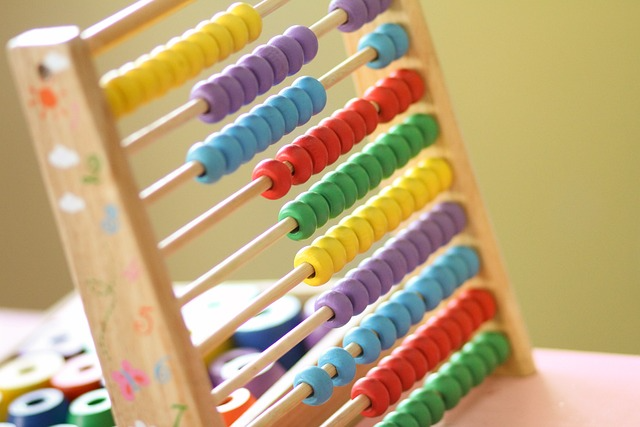
The Montessori method laid the foundation for modern-day sensory play. These Montessori materials inspired today’s sensory activities and bins. By encouraging children to discover and explore through hands-on-play, the Montessori approach continues to influence how parents and educators view sensory play as a vital part of learning and development.
The Evolution Into Sensory Bins
Montessori has continued to grow in popularity since the early 1900s. As a result, parents and educators started looking for ways to bring Montessori-inspired tools out of the classroom and into the home with simple at-home versions. Early versions included items such as:
- Tubs of rice or beans.
- Sand for scooping and pouring.
- Wooden blocks of decreasing size.
- Small containers with different objects are used to create distinct sounds.
Since Montessori toys and materials were often expensive or hard to find, parents started using diy adaptations in the home. For example, parents might have cut sandpaper to form letters and glued them on a posterboard instead of purchasing sandpaper letters. These DIY adaptations made it possible for children to enjoy the benefits of hands-on learning everywhere. Eventually, the idea spread into preschools, therapy settings, daycare centers, and eventually became a staple for parents at home.
Why Sensory Bins Remain Popular Today
Sensory bins remain popular today for several reasons.
- They’re easy to set up at home and in the classroom.
- They are affordable. All you need is a shallow bin, filler, and a few tools or toys.
- They’re adaptable for different ages, skills, and learning goals. Read our recent post on Sensory Bins for Siblings: How to Make Play Work for Different Ages if you’re looking to make adaptations for different ages.
- Outdoor and indoor sensory play encourages screen-free, hands-on play that mirrors Montessori principles.
The benefits of sensory play extend beyond the classroom. They provide children with hands-on opportunities to learn and explore their world, support creativity, problem-solving, and develop fine motor skills. They help kids regulate big emotions, improve attention span, and build confidence through independent play.
How to Incorporate Sensory Play in Daily Life
There are several ways you can incorporate sensory play into your child’s daily life. One idea we love is to create a small “sensory corner” at your home or in the classroom. Having a sensory corner in your home can be both relaxing and stimulating. A quiet spot can help kids calm down, especially during sensory overload. For tips on creating the perfect sensory corner at your home or in your classroom, read our recent blog post here.
Another great idea for incorporating sensory play into daily life is by rotating fillers and themes for variety. Using a Montessori toy or Montessori-inspired tools as part of your setup can encourage hands-on learning while keeping activities fresh. Some examples include using scoops, tongs, or textured cards to guide exploration. Indoor sensory play also becomes more engaging when you switch out materials regularly. This gives children new textures, colors, and experiences to explore. For the best practices for keeping sensory play fresh and engaging for kids, read our recent blog entitled “How Often Should I Switch Sensory Bins?” here.
Sensory bins have a huge story to tell, beginning with the Montessori method and the emphasis on hands-on learning and exploration, and evolving into the creative, adaptable, table-top shallow bin found in many homes and classrooms today. Sensory play may have started in early educational models with carefully designed Montessori materials, but they have grown into a simple yet powerful tool that makes it easy for families today. You don’t need an entire classroom of Montessori sensorial materials. Just a few simple bins can bring the same benefits home.
CHECK OUT OUR PRODUCTS FOR


