
Blog
What Age is the Best for Sensory Play?

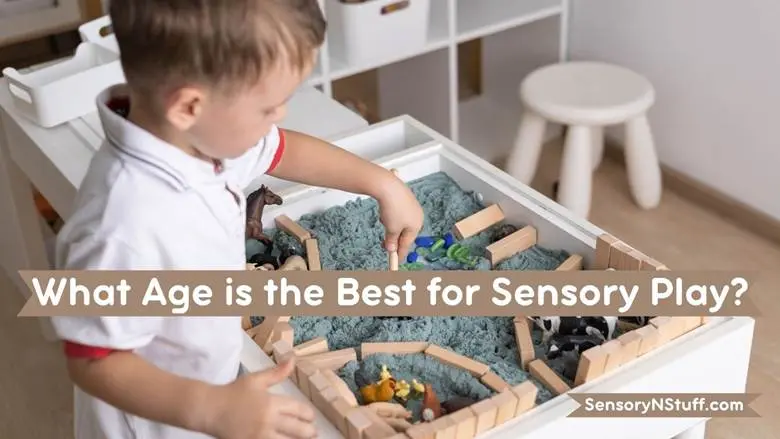
Sensory play can be an effective way children learn about the world around them by engaging the five senses through hands-on play. It supports cognitive and emotional growth, creativity, problem solving, and helps improve important skills such as fine motor development. Sensory play is beneficial at all ages and evolves with growth. As children grow, sensory play naturally progresses from simple exploration of textures to more complex activities and experiences.
Sensory activities are most effective when they match a child’s stage and abilities because development changes over time. Understanding what age to start sensory play helps parents and educators select developmentally appropriate activities that encourage growth, while remaining fun and engaging.
Sensory Play for Infants (0-12 Months)
At what age do you start sensory play exactly? Sensory play can begin at birth with safe, nurturing experiences tailored to an infant’s needs. During the first year of life sensory play should focus on simple, safe sensations that gradually introduce infants to new sights, sounds, and textures.
Soft, chunky fabrics, crinkle textures, infant rattles, simple water play, soothing music, and taste-safe sensory materials allow babies to explore the world in a developmentally appropriate way. Babies explore with their mouths, so always supervise and check materials for any chocking hazards prior to activities. At this stage, sensory play supports rapid brain growth, early motor skills, and provides a bonding experience for both infants, parents, and caregivers.
Sensory Play for Toddlers (1-3 Years)
Toddlers are naturally curious about their world and love to explore, making this stage perfect for more hands-on play. Activities during this sensory play age strengthen fine motor skills, encourage curiosity, and introduce early problem-solving skills as toddlers learn to test experiments through trial and error.
Activities like sand and water play, sensory bags filled with rice or beans, taste-safe playdough, and simple, cause-and-effect play help toddlers investigate new textures, materials, movement, and outcomes through hands-on play.
Like babies, toddlers often explore with their mouths so always be sure to supervise and continue to check for any possible choking hazards. Within the broader sensory play age range, this stage lays the foundation for lifelong learning through play.

Sensory Play for Preschoolers (3-5 Years)
At this sensory play age, activities become more open-ended, allowing kids to experiment, collaborate, and express ideas through play. Preschool aged children are ready for more advanced activities that combine creativity, movement, and peer interaction. Sensory play during the preschool years supports creativity, strengthens social skills like sharing and teamwork, and promotes more complex motor development as kids learn coordination and control.
Some examples of activities for this sensory play age range include: themed sensory bins, mud and play kitchens, musical activities, and creative problem-solving games. Even though independence increases with age, adult supervision remains important. Materials should still be checked for loose, broken parts, or choking hazards to ensure safe play.
Questions like what age should you start sensory play often come up for parents and caregivers, and preschool sensory activities demonstrate how play continues to support development as children grow.

Key Considerations Across Ages
Sensory play looks different at every stage of childhood. Because the sensory play age range is so wide, there are some key considerations to keep in mind no matter the child’s age. From a baby’s first experiences with touch and sound to a preschooler’s imaginative, hands-on exploration, sensory play supports development while keeping children learning and engaged.
- Start early: Sensory play is a natural part of development at every sensory play age; however, since babies learn through their senses from birth it’s important to start early.
- Adapt for age: Keep it simple for infants and gradually increase the complexity of play as children grow and reach preschool age.
- Supervision is crucial: Safety should always be a priority regardless of age. Always supervise sensory play, especially when using small objects, materials, loose parts, or during water play.
- Follow their lead: Every child’s sensory play looks different, and exploration happens at their own place. Respect their pace with new textures, sounds and experiences that allow activities to be enjoyable and safe.
Sensory Play is for Every Stage
There is no right or wrong age for children to take part in sensory play; it simply evolves as children grow and develop. From rattle play in infancy to hand-on play with sensory bins during the preschool years, each stage continues to increase in complexity. Understanding what age is sensory play for will help parents and educators recognize that sensory activities remain valuable throughout the entire sensory play age range, even as skills, interests, and abilities change.
By choosing age-appropriate sensory toys and materials, parents and educators can support creativity, learning, and development from infancy through preschool and beyond.
CHECK OUR SENSORY READY


