
Blog
What Should You Put in a Sensory Bin?


Welcome to the world of sensory bins! Sensory bins are a great way to help your child with imaginative play. They’re also great for learning colors, counting and even motor skills. They’re just all-around great toys. However, if you’re just starting out with sensory bins, you probably don’t know exactly where to start.
The first thing you need to think about is what actually goes in the sensory bin. So, let’s talk more about fillers, the different materials, and how they engage kids’ senses.
What Makes a Good Sensory Bin?
Sensory bins come in all different shapes and sizes. So, there’s no right or wrong way to make and fill a sensory bin, however, there are a few components that come together to create the perfect combination. When putting together your perfect sensory bin, it’s important to use safe and engaging materials. It’s critical to use non-toxic ingredients and age-appropriate materials when assembling your sensory bin too. Also consider what your child is interested in–do they like space, numbers, unicorns, etc.?
Essential Sensory Bin Components
All sensory bins need to start out with a filler or texture. For an explanation of what a sensory bin is, be sure to read our previous post. So, what does a sensory bin have in it:
- First of all, you need a container. This could be a storage tub, a big bowl, or a shallow container. You could even purchase a sensory table, although it isn’t necessary. Most households have an extra container lying around unused that could be put to good use and recycled into a sensory bin container.
- Next, you’ll need a base material or filler material to go in the container. The options are endless here. Some examples of base materials include rice, beans, chickpeas, sand, pasta, and un-popped popcorn. The rice, pasta, etc. can be colored for visual excitement. If you want to get really creative you can use nature-based fillers such as sand, leaves, flower petals, rocks, grass, or straw.
- A variety of different tools and utensils are used to enhance the sensory play set experience. Essential tools and utensils for sensory bins include scoops, tongs, cups, and funnels varying in size. Other examples include small wooden bowls, tweezers, spoons, ladles, chopsticks, claw grabbers, mini shovels, mini baskets, bean pots, and powder containers. Some specialty tools include honey dippers, pipettes and droppers, rolling pins and whisks. You could even include a mini treasure chest in your sensory bin for hidden objects!
Along with tools and utensils, you can also add sensory-safe toys such as mini resin figures and themed sensory bin play items when assembling your sensory bin. We use several different accessories and toys such as mini acorns, butterflies, hearts, miniature wooden people, trees, flowers, insects, balls, and more.
The options are endless!
The Role of Different Textures
Why does a sensory bin need to be full of different textures? Well, diverse textures are important for sensory development and play a critical role in helping build essential cognitive, motor, and emotional skills. New textures spark curiosity, encourage exploration, enhance tactile processing, and help with sensory regulation and tolerance. Children learn new words when they experience different textures by describing them. Is the material soft, rough, smooth, bumpy, grainy?
Sensory bin materials have various textures including soft, rough, smooth, and grainy materials. Soft materials add a gentle, soothing texture and include felt balls and pieces, feathers, cotton balls, kinetic sand, playdough, and cloud dough for fillers. Rough materials add tactile contrast and include uncooked pasta, coarse sand and sea salt, and aquarium stones.
Smooth materials provide a calming experience to sensory play and include items such as dried rice, beans, polished stones, rocks, gems, foam balls, and squishy playdough. Grainy materials add a textured, slightly rough feel that encourages tactile exploration. Different examples of grainy materials include coarse sand, ground coffee beans, and crushed fillers.
Themed Sensory Bin Ideas
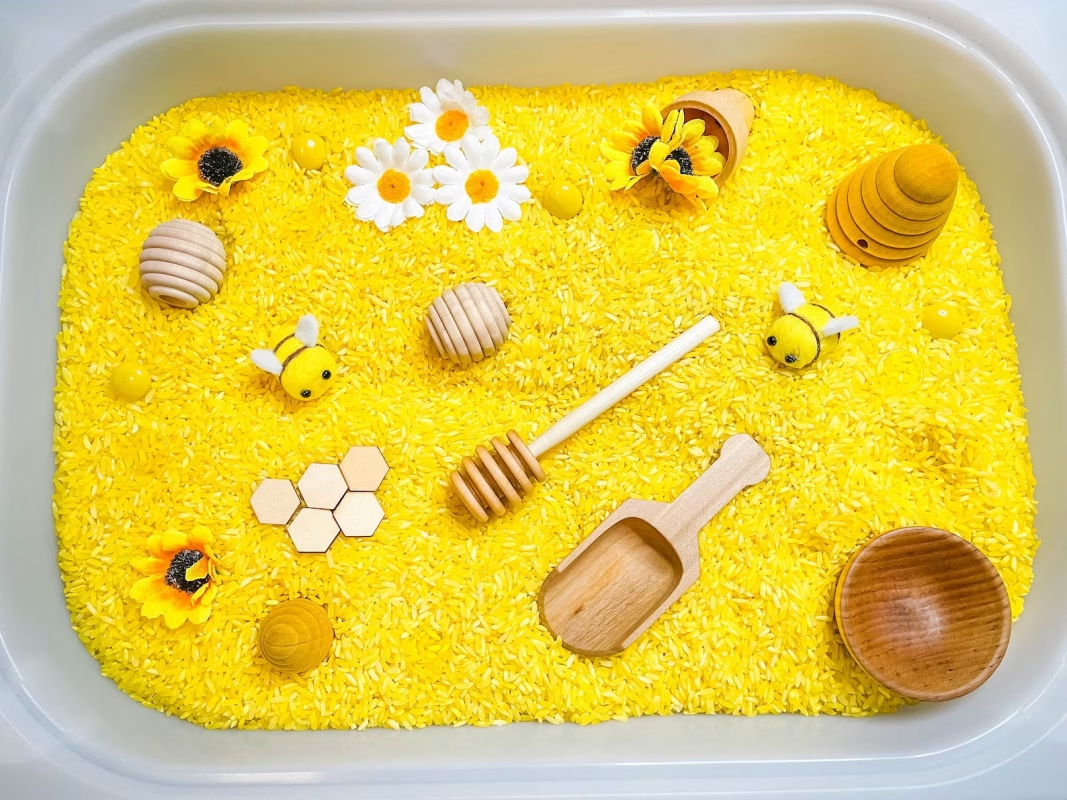
Looking for fun themed ideas? Themed sensory bins are designed around a specific theme and include coordinated accessories such as objects and small toys that are related to the theme. They have a way of telling a story through imaginative play.
Seasonal themed sensory bins are a great way to experience the change of the seasons and add to the excitement of the holiday season. Seasonal themes range from fall and winter sensory bins to holiday-themed sensory bins including Christmas, Easter, and Halloween sensory bins.
An educational-themed sensory bin combines sensory exploration with early learning concepts. These can include letters, numbers, science, counting activities, and alphabet hunts. There’s also imaginative play themes including ocean and space adventures and construction zones.
Safety Considerations
There are some important safety considerations when it comes to sensory bins too. Choosing non-toxic and age-appropriate materials is necessary to ensure your child’s safety. When choosing a sensory bin, look for labels that indicate items are non-toxic. Be mindful of allergens such as nuts, latex, and certain grains. Younger children love to stick things in their mouth so it’s important to stick to edible or taste-safe sensory fillers–and be really careful not to include choking hazards. Regularly inspect your sensory bin items for wear and tear, breakable items, and always supervise your children, especially younger ones, while playing.
Cleaning and maintaining your sensory bins is also important for longevity. The cleaning process is pretty straightforward. Simply empty the bin, remove all the sensory materials, shake out the debris, and wash the sensory bin. Remove any wet or damaged materials. The bin should be washed with warm, soapy water and dried thoroughly before adding any new materials. After it’s fully dried, you can add your new items to the bin.
Remember, there’s no right or wrong way to fill a sensory bin. The perfect sensory bin is made from a mix of your favorite tub, your favorite sensory filler, and sturdy tools and fun accessories that make it come to life. Different themes and textures spark the imagination, curiosity, encourage exploration, enhance tactile processing, and help with sensory regulation and tolerance. Shopping for a sensory bin and accessories? Check out the wide variety of Sensory-N-Stuff’s pre-made sensory bin kits.