
Blog
What is the Difference Between a Sensory Table and a Sensory Bin?

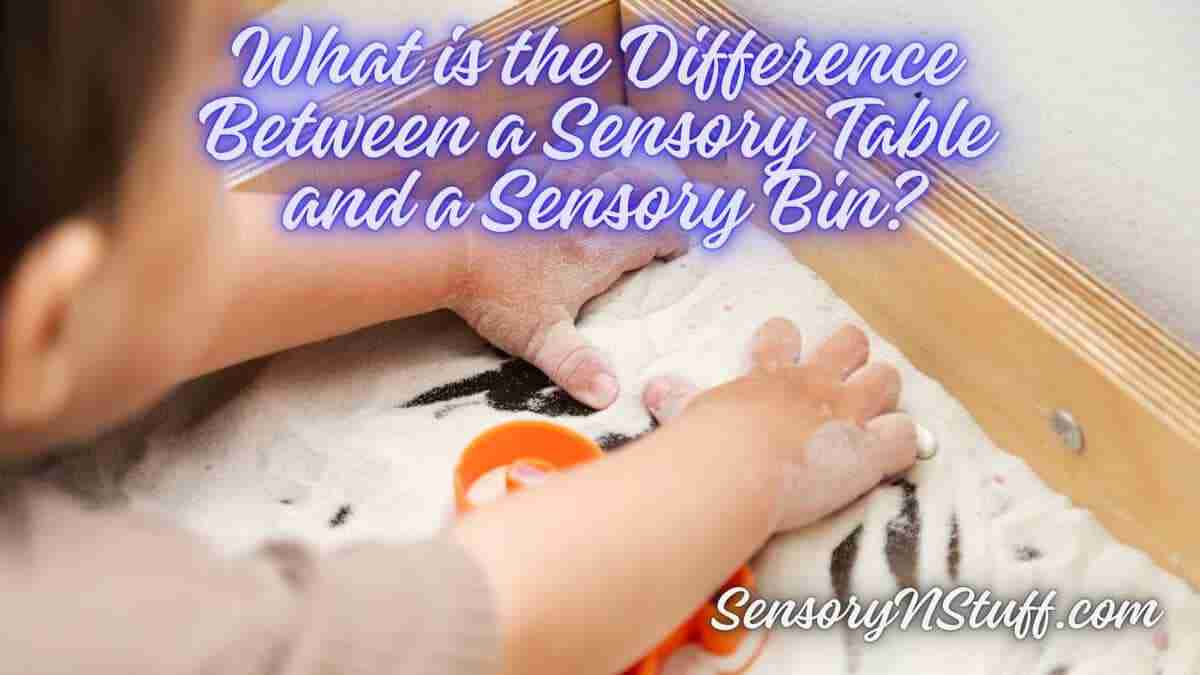
Have you ever observed a child pouring, squishing, and sorting in a sensory bin and wondered why such a simple activity is so fascinating to them? They seem to get lost in the moment and for good reason too! Sensory play is more than just pure fun and enjoyment. It’s highly beneficial for childhood development because it engages the five senses. This sparks curiosity and creativity.
The magic of sensory play helps children and toddlers make sense of the world in their own unique way. A sensory bin and a sensory table are two popular ways for children to experience sensory play. Sensory bins and tables serve the same purpose, yet they have some big differences. Let’s explore these differences in depth!
What is a Sensory Table?

First, let’s talk about sensory tables. A sensory table is a structured play surface designed to hold different sensory materials. Like a sensory bin, it’s designed to engage your child’s senses and provide hands-on-learning with sensory fillers, tools, and sensory toys.
A sensory table for toddlers is a fantastic way to encourage hands-on exploration. Each table is a versatile tool that you can use to customize your child’s sensory play experience by changing the colors, theme, learning objectives, sensory toys, sensory tools, etc. The tables can hold dried rice, beans, pasta, sand, water beads, and more.
You can create or customize several types of sensory tables. Popular types of sensory tables include:
- Water sensory table
- Sand sensory table
- Nature-themed sensory table
- Seasonal-themed sensory table
- Holiday-themed sensory table
- Playdough/slime sensory table
- Water beads sensory table
- Light up sensory table
What is a Sensory Bin?

What about a sensory bin, though? A sensory bin is a container filled with diverse types of sensory materials such as dried rice, beans, pasta, sand, sensory tools, and sensory toys. Sensory bins encourage open-ended play in a variety of different ways. With sensory bins, children can explore, create, and interact, making a unique sensory experience for every child.
Sensory bins or a sensory box is great for both at home and travel-friendly play. It’s a more portable option than a sensory table. A sensory box differs from a table in terms of size, setup, and flexibility. They are much smaller and thus easier to store, clean up, and take on the go. You can pack them in the car to entertain kids during doctor’s visits. You could even take them with you on road trips. They do a wonderful job of keeping kids busy in the hotel room during downtime on your next vacation too.
Differences Between Sensory Tables and Sensory Bins

So, what are the key differences between sensory tables and sensory bins or sensory boxes? Here are a few:
- Size: In terms of size, sensory tables are larger, while sensory bins are more compact and portable.
- Structure: With raised platforms to keep off the ground, sensory tables are more stationary than sensory bins. They may also include different components such as a separate area for rice, sand, water, tools, etc.
- Different Features: Sensory bins are easier to customize and switch out. Sensory tables require more room and are perfect for classrooms, and day care centers. They also make a wonderful addition to an outdoor play area during the warmer months.
- Usage: Sensory bins and sensory tables also differ in terms of usage. The bins work well for independent play, while tables can be great for group activities. Bins allow for easy theme changes, while tables aren’t as easy to change out. Sensory tables can also include built-in features such as a sensory light table, while bins have limited features.
| Sensory Table | Sensory Bin |
|---|---|
| Allow multiple children to play simultaneously. | Allows for independent, solo sensory play. |
| Requires more space. | More portable, travel friendly. |
| More expensive. | More affordable option. |
| Built-in-features. | Easier to customize and switch out. |
Which Sensory Toy Is Best for Your Child?
So, which one is best for your child? There is no right or wrong answer here. Teachers may prefer a classroom sensory table or a Montessori sensory table to meet the needs of their many students. Space, budget, and your children’s play preferences all play a role in this decision.
Do you have multiple children who love to play simultaneously? A big enough space either indoors or outdoors to accommodate? A table might be right for you. Are you on a limited budget? Sensory bins are an easier and a more affordable way to introduce sensory play at home. They are also a more flexible option and don’t take up the kind of space that a table would.

In conclusion, the main differences between a sensory table and a sensory bin are budget, space, and the features you desire to get out of your children or toddlers sensory play experience. Check out our pre-made sensory bins from Sensory-N-Stuff for exciting and engaging play!