Blog
Is Playdough Considered Sensory Play? (And Why It’s So Good for Kids)


Have you ever pondered the question, “Is playdough considered sensory play?” If so, you’re not alone! Many parents hear the term sensory play and picture messy bins and trays, but aren’t quite sure what it is. In simple terms, sensory play refers to any activity that stimulates the child’s senses of touch, sight, smell, sound, and even movement. Sensory play helps children explore and make sense of the world around them and that’s exactly why playdough for sensory play is such a powerful (and often overlooked) tool.
In this blog, we’ll cover how playdough kits supports childhood development, from strengthening fine motor skills to boosting creativity. You’ll also find simple, engaging activities, and ideas you can try at home to make the most of this exciting sensory favorite.
Is Playdough Sensory Play?
Yes, playing with playdough is absolutely sensory play! It provides a rich, hands-on experience that actively engages multiple senses at once: touch, sight, smell, and sound. Children explore touch as they squish, roll, and squeeze. They use the sense of sight as they notice different colors and shapes; smell if the playdough is scented; and even sound as they use tools to manipulate the dough.
There is a strong connection between sensory play and developmental growth. Kids build strength, coordination, and control in their hands when they manipulate the dough. This is why fine motor skills playdough activities are recommended in the early years.
How Playing With Playdough Builds Fine Motor Skills
Playing with playdough isn’t just for fun; it’s a powerful tool for development. Using playdough for fine motor skill growth helps children strengthen their hands, fingers, and coordination in a playful way. Regular play can build strength and prepare kids for important tasks like self-care and writing.
Here’s why playdough for fine motor skill development is important:
- Strengthens hand and finger muscles
- Improves finger isolation and dexterity
- Builds grip strength needed for writing
- Supports hand-eye coordination
What Makes Children’s Playdough “Sensory”?
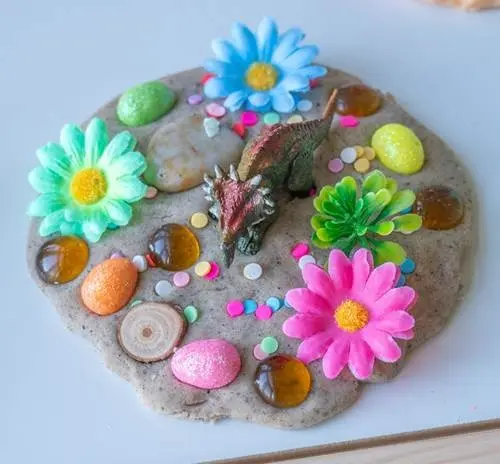
Playdough directly engages the child’s senses while they explore and create. Through hands-on investigation, children can explore different textures, movements, and even scents, making playdough for sensory play a powerful tool. The value of playdough sensory activities comes from this rich, multi-sensory input combined with the freedom for open-ended creativity and imagination.
Here’s what makes it truly sensory:
- Texture and resistance- Playdough texture and resistance can vary; it can be soft, firm, or stretchy.
- Temperature and malleability- Playdough is constantly changing shape and temperature as children shape and squeeze. It may feel cool to touch at first and then warm up in the child’s hand.
- Smell (if scented)- Scents like peppermint or vanilla give playdough add another layer, making it even more immersive.
How Playdough Tools Enhance Sensory and Fine Motor Development
Adding playdough tools can take sensory play to the next level by introducing new challenges and learning opportunities. Tools encourage kids to experiment with pressure, control, and coordination while expanding their creativity. They also support both sensory exploration and fine motor development in hands-on ways.
Here’s a few ways to use playdough tools to enhance sensory and fine motor development:
- Rolling tools- Using rolling pins promotes bilateral coordination (using both hands together) and helps develop wrist strength.
- Cutters and molds- Supports shape recognition while strengthening hand-eye coordination as children position and remove their creations.
- Texture tools- Encourage tactile exploration and help develop descriptive language as children recognize what’s “bumpy” and “smooth.”
Playdough Ideas That Maximize Development
There are many playdough ideas that support learning while still keeping play fun. The key is choosing open-ended activities that strengthen skills while still feeling creative and engaging.
Here are some things to make with playdough:
- Snakes
- Tiny balls
- Letters and numbers
- Flattened shapes
Here are some preschool playdough activities that encourage development:
- Name-building- Children can roll and shape letters to spell their name while combining fine motor practice with early reading skills.
- Shape stamping- Strengthen coordination and recognition by using cutters to stamp and identify shapes.
- Counting balls- Support early math skills by rolling small balls and counting them.
- Sensory tray exploration- Encourage imagination and discovery by adding resin loose parts and themed materials to make a sensory tray.
Who Benefits Most From Playdough Sensory Play?
Both preschool playdough activities and everyday children’s playdough creations can support a wide range of ages and developmental stages. Because it’s adaptable, affordable, and open-ended, playdough can be tailored to meet the needs of children where they are at.
Here are a few of the groups who benefit most from playdough sensory play:
- Toddlers and preschoolers can build foundational skills through simple rolling, squishing, and exploring the dough.
- Early elementary children benefit from more advanced tasks like spelling, math concepts, and detailed modeling.
- Children needing extra fine motor practice benefit from a low-pressure, enjoyable way to build hand strength, coordination and wrist strength development for writing.
- Occupational therapy patients frequently use playdough and therapy putty as a therapeutic tool to improve sensory regulation and hand function in a fun way.
Is All Playdough the Same?
Not all playdough is the same, and that’s what makes it so much fun. While some might look similar at first, various types can offer different playdough sensory experiences depending on their texture, scent, and intended use. Choosing the right option can make a difference in how your child benefits.
- Texture differences: soft vs firm- Soft dough is usually easier for younger children to manipulate. Firmer dough might be preferred by older children or occupational therapy sessions to help build muscle strength.
- Scented vs unscented- Scented dough can be used for an enhanced playdough sensory experience. Children who are sensitive to smells might prefer unscented dough.
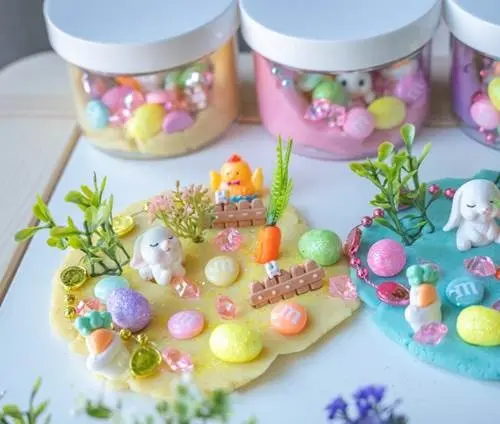
- Specialty sensory dough vs standard options- Specialty dough comes with the bells and whistles. It might include added textures, glitter, or trinkets for enhanced tactile input. Standard options offer the simple, classic playdough sensory experience.
Conclusion: Yes, And It’s One of the Best Sensory Tools
Yes, playdough is absolutely sensory play! It’s also one of the best sensory tools you can offer your child. Playdough delivers powerful developmental benefits through simple, hands-on fun. It strengthens fine motor skills, helps build hand control, and encourages creativity and imagination. It can even support emotional regulation. By encouraging intentional play and exploring different playdough activities with your child, playdough will adapt to their stage and needs while keeping learning fun and engaging.
Ready to create your own playdough sensory experience? Explore Sensory-N-Stuff’s collection of playdough jars and kits to inspire creativity and support development today! esh, festive, and stress-free. Explore Sensory-N-Stuff’s collection of sensory products for engaging valentine sensory activities that make the holiday fun, hands-on, and meaningful.